


Apple briefly became the second company ever to reach $5 trillion in market value, as its capital-light AI approach drew investors away from big-spending rivals.
Apple briefly became the second company ever to reach $5 trillion in market value, as its capital-light AI approach drew investors away from big-spending rivals.
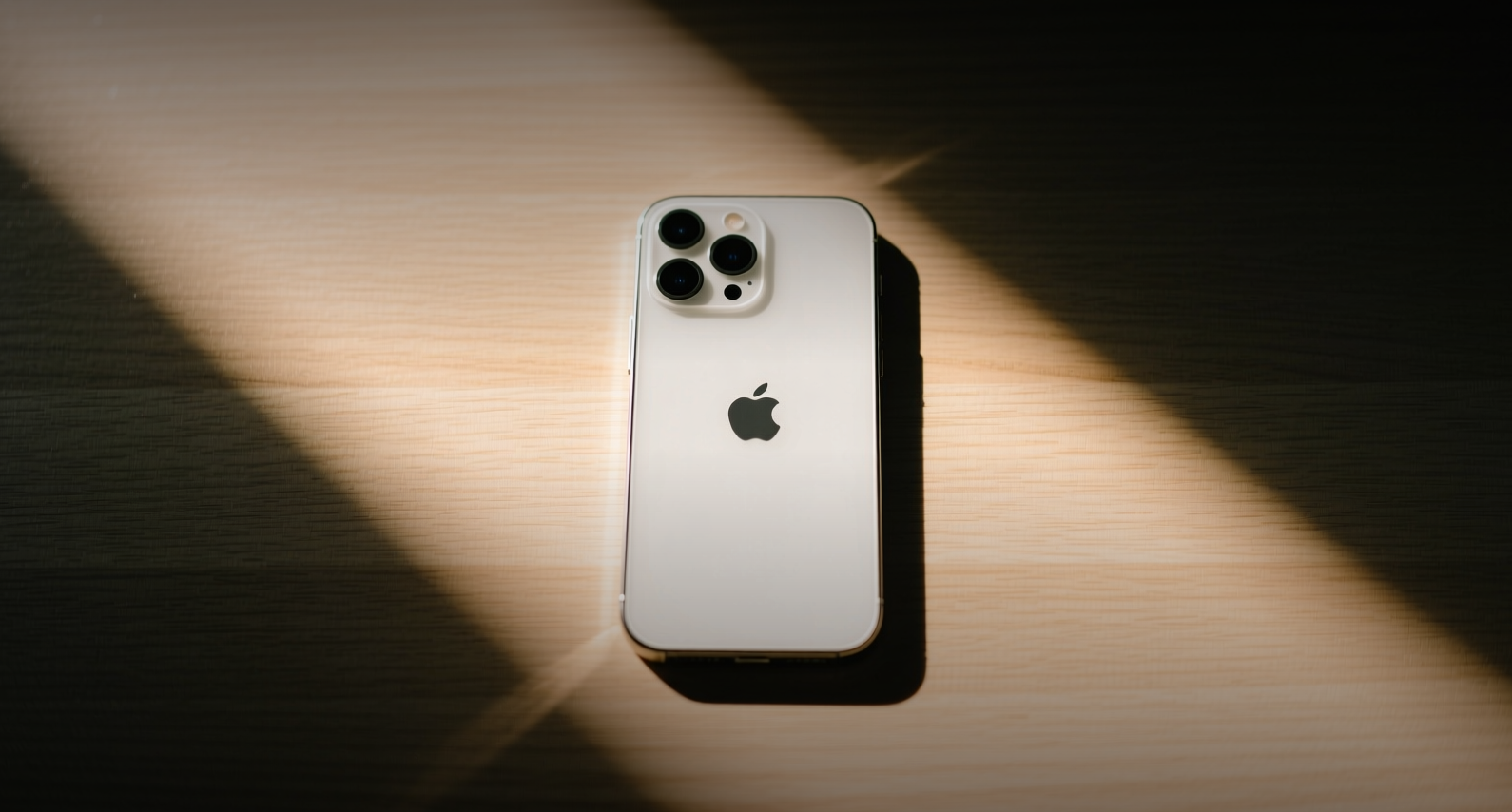
Apple briefly became the second company ever to reach $5 trillion in market value, as its capital-light AI approach drew investors away from big-spending rivals.
Apple briefly crossed $5 trillion in market value Tuesday, becoming the second company after Nvidia to reach the milestone as its restrained AI spending drew investor favor.
"Apple was criticized for underinvesting in AI, but it has successfully avoided the capital expenditure trap," said Jay Woods, chief market strategist at Freedom Capital Markets.
Apple shares rose as much as 1.8% to an intraday record of $342.89, pushing market value above $5 trillion before closing at $340.80 with a market cap of about $4.99 trillion. The stock has gained roughly 25% this year, outpacing Nvidia's approximately 7% advance. The milestone came one day after Apple overtook Nvidia as the world's most valuable publicly traded company.
The milestone marks a sharp reversal in investor sentiment toward Apple's AI approach. While Alphabet, Amazon, Meta and Microsoft are collectively spending about $700 billion on AI infrastructure this year — with Alphabet alone raising its 2026 capital expenditure forecast to as much as $205 billion and reporting its first negative free cash flow in more than two decades — Apple has kept its own spending in check, relying on partnerships with Google for cloud and AI services.
The divergence in AI spending strategies has become a defining theme for mega-cap tech this year. Nvidia, whose graphics processing units power most large AI models, was the first company to reach $5 trillion in October 2025 but has gained only about 6% this year. Microsoft shares have shed roughly 28% since their record closing price in October 2025 as questions mount over whether companies pouring money into AI can sustain the spending. Nvidia's five-year credit default swap recently hit 82 basis points, an all-time high, reflecting growing concern about the concentration of AI infrastructure investment.
Apple's path has been different. The company has avoided building its own data centers or making large-scale chip investments, instead leasing computing capacity. Its capital expenditure has declined over the past three quarters. At its Worldwide Developers Conference in June, Apple unveiled a revamped Siri powered by Google's Gemini models — a move that initially disappointed investors, sending the stock down more than 3%. But early testing of the new Siri has drawn positive reviews, according to the Financial Times, and the company is shedding its AI laggard label.
The stock's rally has continued despite headwinds. A global shortage of memory and storage chips — itself driven by surging AI demand — has pushed up component costs, forcing Apple to raise prices on MacBooks and iPads last month. Analysts expect Apple's gross margin to come in between 47.5% and 48.5% in the current quarter, down from 49.3% in the prior period. On Tuesday, Apple also announced Upgrade, a US device-leasing program in partnership with Klarna, offering iPhones starting at $17.99 per month.
Thursday's earnings report will be chief executive officer Tim Cook's last before hardware chief John Ternus takes over on Sept. 1. The results will provide the first quantified look at how the memory chip shortage is affecting Apple's hardware margins. The earnings call will also offer investors their first chance to hear from Ternus, who will inherit a company trading at a premium to its mega-cap peers on the strength of its capital discipline.
This article is for informational purposes only and does not constitute investment advice.
