

Apple still plans a glass-centric iPhone overhaul for the device's 20th anniversary in 2027, countering a Jefferies note that declared the design dead.
Apple still plans a glass-centric iPhone overhaul for the device's 20th anniversary in 2027, countering a Jefferies note that declared the design dead.
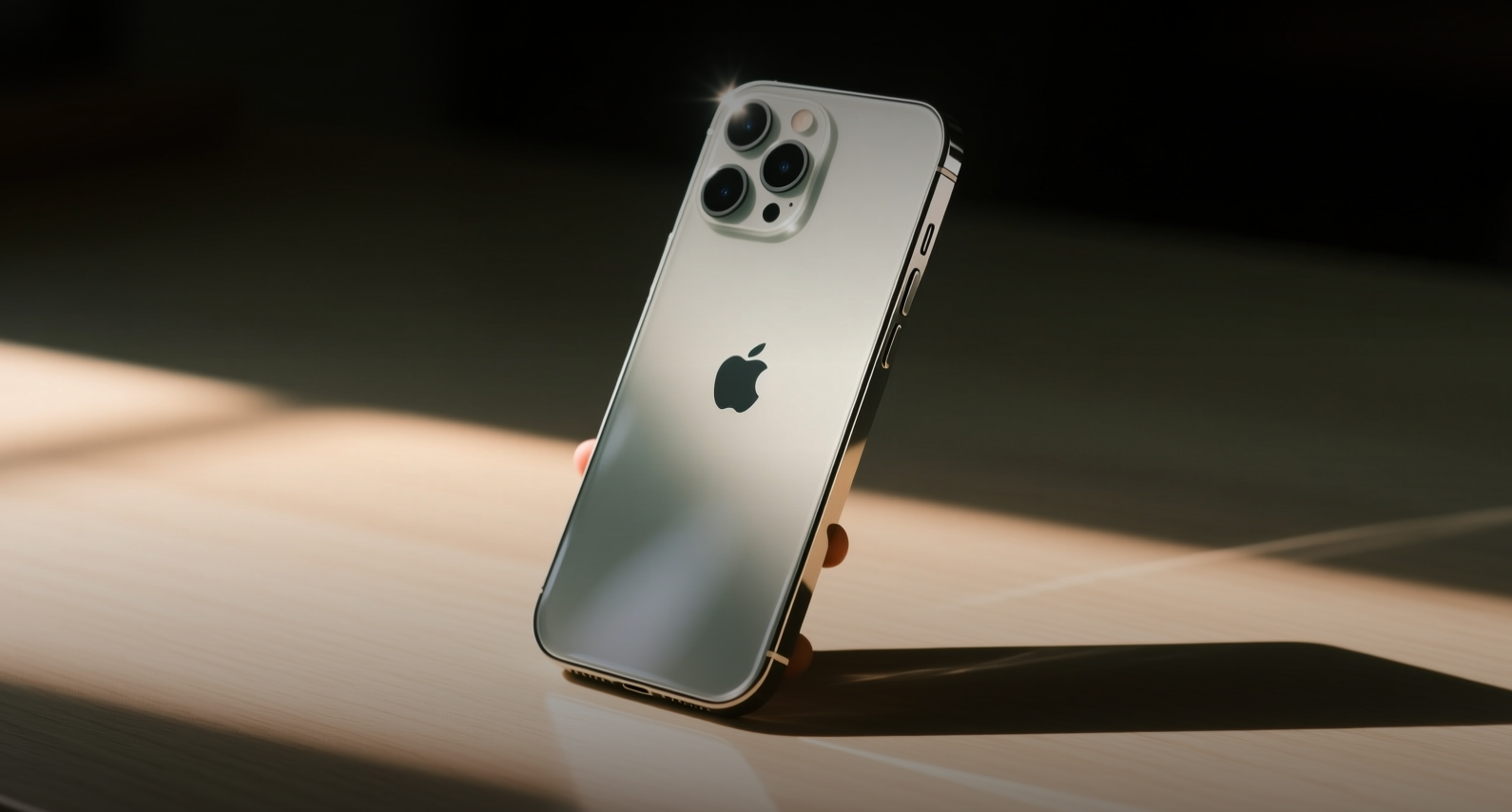
Apple's glass-centric iPhone redesign for the device's 20th anniversary in 2027 remains on track, with two Pro models in late-stage testing, countering a Jefferies report that said the all-glass design had been scrapped. Bloomberg, citing people familiar with the work, said the 2027 iPhone Pro lineup — internal codenames V73 and V74 — has glass covering the front and back that curves into the sides and meets a metal band running through the middle.
"I think shares are undervalued," Gene Munster, managing partner at Deepwater Asset Management, said on CNBC, pointing to Apple's September-quarter revenue guidance of 9 percent to 11 percent growth as better than investors first read it.
The confirmation reverses the negative signal from Jefferies analyst Edison Lee, who downgraded Apple to underperform from hold and cut his price target to $263.66 from $285.56 after supply-chain checks suggested the all-glass iPhone had been canceled because of low production yields. Apple shares closed down 1.53 percent at $308.26 on Monday, then recovered about 2.5 percent from their low.
The dispute matters because the iPhone supplies roughly half of Apple's revenue, and sales climbed 22 percent last quarter. New iPhone designs typically lock in about a year before the fall launch, leaving the 2027 lineup in advanced testing and mostly settled, short of any late hitches.
Apple's design studio had championed a more aspirational version that leaned on glass rather than metal, but the company scrapped that approach early after running into trouble joining the panels. A phone made entirely of glass remains out of reach with current manufacturing, and the version now in testing stops well short of that ambition. The design did not survive the question of how to build it in volume.
Talk of a glass iPhone without seams is not new. Reports of an anniversary redesign have circulated since at least 2025, when Apple was said to be chasing a display without cutouts. Apple filed a patent application for a six-sided glass enclosure back in 2019, long before this week's dispute. Samsung, which pioneered curved-edge displays with its Galaxy Edge line, has since pulled back from the format, a reminder of the manufacturing difficulty.
Lee had expected the glass treatment to spread across the Pro and Pro Max line and lift average selling prices at a time when memory costs are climbing across the industry. TrendForce estimates the cost of a 256GB iPhone 18 Pro could be about 38 percent higher in the third quarter compared with the comparable model launched in 2025. Apple could either raise iPhone prices to protect margins or absorb some of the higher costs.
Munster expects iPhone prices to rise 15 percent, pushing the average selling price from roughly $850 to $975, and downplayed demand impact because most buyers purchase on a subscription basis. He also expects a major consumer hardware upgrade cycle to begin around mid-to-late 2027, driven by personalized AI performing inference on devices.
John Ternus takes over as chief executive on Sept. 1, inheriting a product pipeline that runs from smart glasses to camera-equipped AirPods and new home devices. Apple has beaten analyst estimates for 14 straight quarters, with revenue rising 16 percent year-over-year in the June quarter. Wall Street consensus remains moderately bullish with an average price target of $334.43, suggesting roughly 7 percent upside from current levels. Apple shares are up 13.4 percent year-to-date in 2026 and 34 percent over the past 12 months.
This article is for informational purposes only and does not constitute investment advice.
