

Apple's two-year promise of a rebuilt Siri finally ships next month, bundled with iPhone 18 hardware carrying a $300 price premium over its predecessor.
Apple's two-year promise of a rebuilt Siri finally ships next month, bundled with iPhone 18 hardware carrying a $300 price premium over its predecessor.
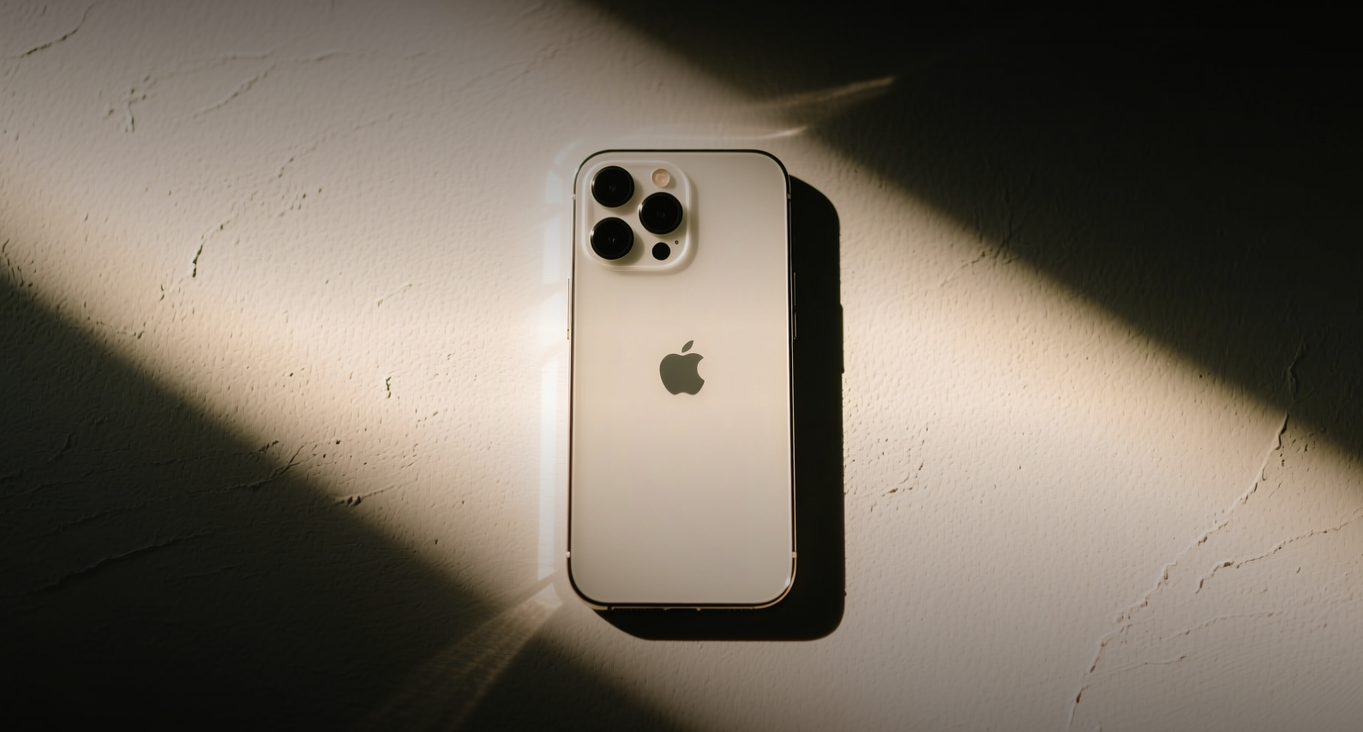
Apple ships rebuilt Siri AI with iPhone 18 next month, its biggest AI push since Apple Intelligence debuted in 2024 and a direct answer to Google's Gemini and OpenAI's ChatGPT on consumer hardware. The assistant, first previewed at WWDC 2024 and delayed multiple times, arrives with iOS 27 on Sept. 14, according to reports tracking Apple's release cadence.
"Price increases are unavoidable," outgoing CEO Tim Cook told the Wall Street Journal in June, as memory chip components for the iPhone 18 Pro cost Apple $150 more than those in the iPhone 17 Pro. Analysts project the Pro model at $1,399, a $300 jump from last year's launch price, driven by the AI industry's memory shortage that has pushed component prices sharply higher.
iOS 27 beta 5, released Aug. 10, is the latest developer build before the public release. The update standardizes 12GB of RAM across the iPhone 18 lineup — matching the Pro tier that previously held a 4GB advantage over base models — and pairs A20 and A20 Pro chips with Apple's new C2 modem for improved cellular connectivity. Siri AI brings on-screen awareness, personal context, broader world knowledge, and deeper app actions, with a dedicated Siri app for revisiting conversations across devices and a new visual experience tied to the Dynamic Island.
The launch is Apple's first serious competitive response to AI assistants from Google and OpenAI, with Siri AI's dedicated app and Dynamic Island integration creating a distinct experience. New CEO John Ternus takes office Sept. 1, inheriting a product cycle that could determine whether Apple can justify premium pricing in an AI-driven smartphone market.
Siri AI runs on devices with Apple Intelligence support — iPhone 15 Pro and later, M1 iPads and newer, Apple silicon Macs, and Apple Watch Series 9 and later. But Apple has drawn a hardware line for the assistant's most advanced features. Voice customization, including adjustable pace and expressivity, requires iPhone 17 Pro, iPhone 17 Pro Max, iPhone Air, iPads with M4 and at least 12GB of unified memory, Macs with M3 and at least 12GB, and the M5 Vision Pro.
The tiered approach mirrors how Apple segmented Apple Intelligence features in 2024, when on-device models required A17 Pro or M-series chips. For iPhone 15 Pro and iPhone 16 owners, Siri AI will deliver core conversational upgrades but not the full experience — a deliberate nudge toward the iPhone 18 cycle.
The iPhone 18 Pro also brings the lineup's biggest camera hardware change in years: a variable aperture main camera that enables true optical bokeh in portrait shots, replacing the software-based depth simulation used in previous generations. The Pro Max gains a larger battery, adding roughly 7 grams and a quarter-millimeter of thickness. Leaked color options for the Pro models include light blue, silver, dark gray, and a wine-like "dark cherry."
The iOS 27 beta cycle has been notably stable compared to iOS 26, which drew criticism for frequent resprings and battery drain. Testers report minimal battery impact and rare crashes, a sharp contrast to the troubled iOS 26.5 update. Apple also released iOS 26.6 to pre-index data for Siri AI in the background, so users upgrading to iOS 27 avoid the performance dip that typically follows heavy post-install processing.
iOS 27 supports all iPhones from the iPhone 11 onward, maintaining Apple's broad compatibility window. But the Siri AI hardware requirements mean the software's headline feature will only reach a subset of that installed base. Apple's services revenue could benefit if Siri AI drives engagement across its active iPhone base.
The $1,399 iPhone 18 Pro price point tests whether consumers will pay a 27 percent premium over last year's model for Siri AI and the variable aperture camera. Samsung's Galaxy Z Fold 8 Ultra, which ships with a 5,000mAh battery and its own AI features, provides a competitive benchmark in the premium segment.
This article is for informational purposes only and does not constitute investment advice.
