Cash-return stocks are replacing AI momentum plays as investors rotate toward income, with banks leading the shift and TD Bank's 2.6 percent yield drawing inflows.
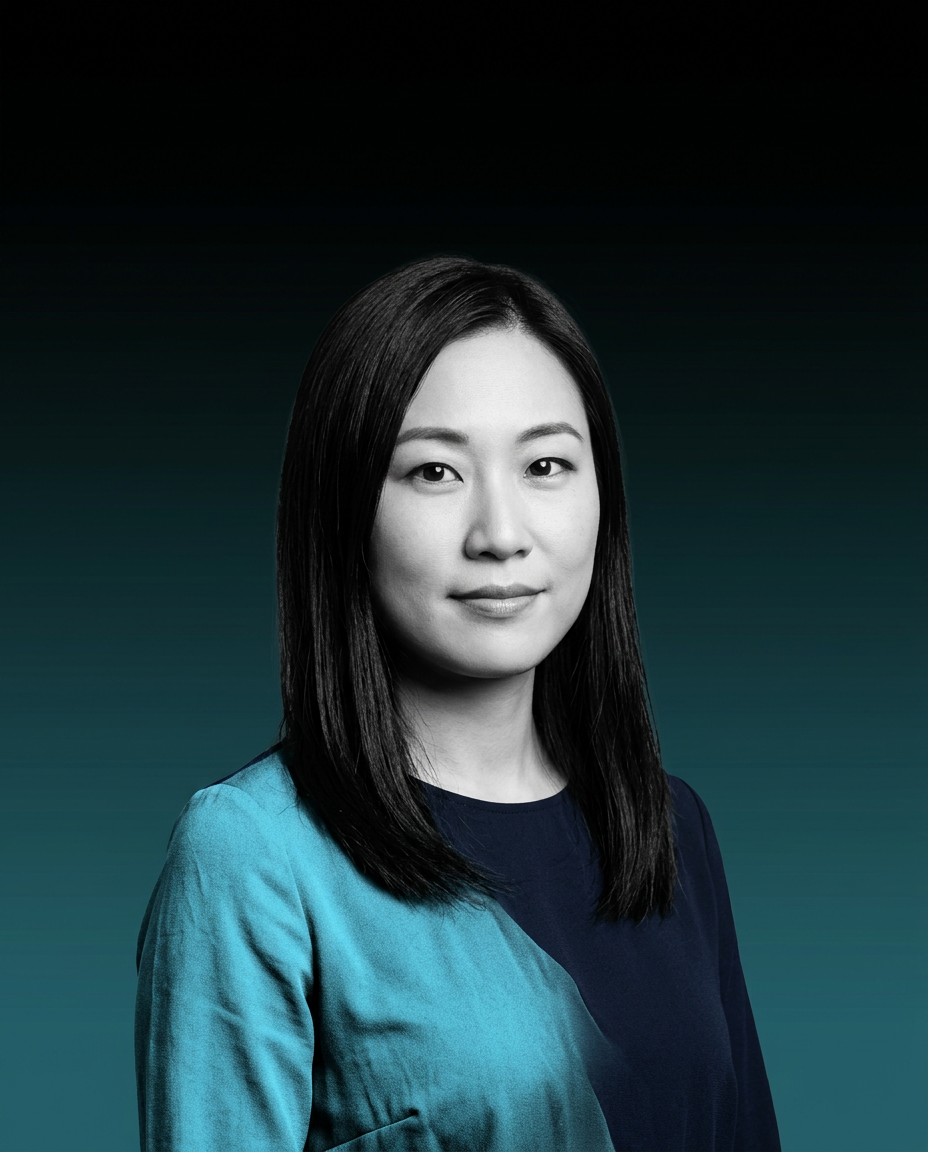
"Investor interest has been shifting from offense to defense," said Kim Dong-hyun, who heads the THE H1 W premium wealth management center at Hana Securities. "Clients have started to break up portfolios that had been concentrated in a single asset — domestic stocks. The nature of their questions is changing, from how much to buy to how to divide it up."
The rotation is visible across the market's two poles. AI infrastructure names that powered the 2025 rally have diverged sharply: Micron Technology gained 696 percent over the past year to a $1.05 trillion market cap, while Nvidia trades at $5.15 trillion with a price-to-earnings ratio of 32.6 and Broadcom at $1.70 trillion with a P/E of 59.7. Among the Magnificent Seven, Meta Platforms is down 12.4 percent year to date and Tesla has fallen 22.3 percent, even as Nvidia, Apple and Alphabet each rose more than 10 percent. By contrast, cash-return names have drawn steady demand: Toronto-Dominion Bank, trading near $172.52 with a market cap of $285.1 billion, has paid uninterrupted quarterly dividends for 169 years and lifted its payout at an 8 percent compound annual rate over the past decade. Its second-quarter earnings per share rose 21 percent year over year with return on equity at 14.4 percent.
The shift reflects a broader defensive posture among wealthy investors, who are raising cash-like holdings and bonds while spreading money into overseas and alternative assets. Kim said the larger the portfolio, the more clearly clients weigh potential losses before expected returns. "The bigger the assets, the more likely clients are to ask how much they could lose in the worst case before asking how much they could make," he said. He attributed recent weakness in semiconductor stocks less to damaged fundamentals than to geopolitical risk, rising interest rates and delayed policy announcements.
Core-Satellite Allocation Takes Hold
The rotation carries implications for positioning into the second half. Kim advised a core-satellite strategy that keeps 60 percent to 70 percent of total assets in relatively stable holdings such as exchange-traded funds of quality domestic and overseas stocks and bonds, with the remaining 30 percent to 40 percent in growth themes and beaten-down names. "You need to split domestic and overseas stocks at something like 60-40 or 50-50, and keep a portion in bonds and cash-like assets to preserve capacity for additional investment when the market corrects," he said.
For U.S. investors, the question is whether the income trade has room to run. Dividend payers and buyback-heavy financials now offer a yield cushion that momentum names lack, and the divergence between AI valuations and cash-return fundamentals suggests capital may keep rotating until growth expectations reset. The next test comes as banks report third-quarter results, where net interest margins and credit provisions will determine whether the cash-return bid holds.
This article is for informational purposes only and does not constitute investment advice.