
Chevron's two-decade bet on Venezuela puts it at the center of a deal unlocking 65 billion barrels of oil reserves.
Chevron's two-decade bet on Venezuela puts it at the center of a deal unlocking 65 billion barrels of oil reserves.
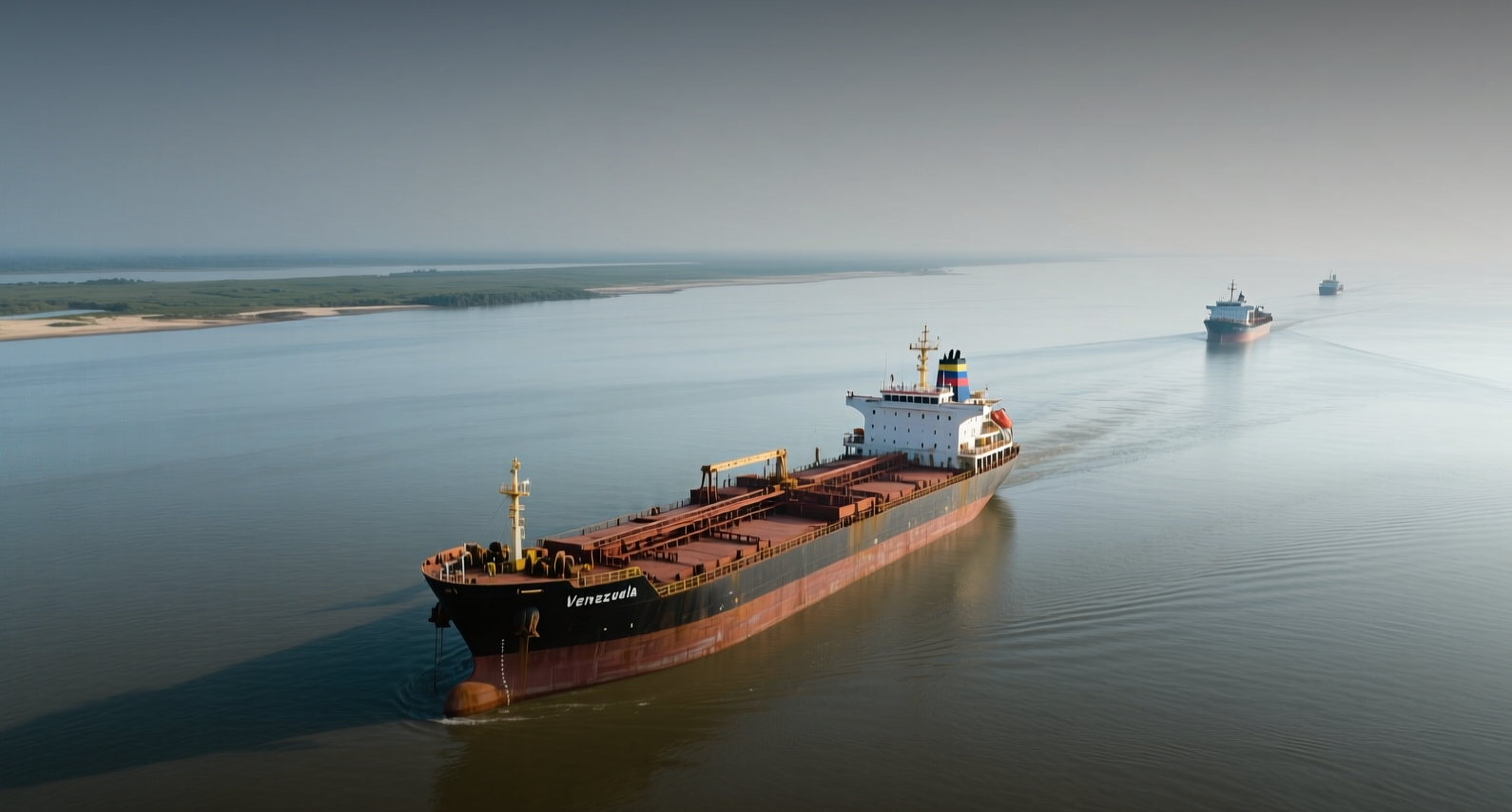
Chevron, the only U.S. oil major still producing in Venezuela, stands to gain most from the Trump deal to develop 65 billion barrels of the country's reserves, a pact worth $100 billion in investment.
"Investors will remain cautious even if the terms of the deal, once released, pass legal muster. A future president could withdraw, and Caracas has twice thrown foreign investors out," said Bob McNally, president of Rapidan Energy Group and a former energy adviser in George W. Bush's White House.
Chevron's operations account for about one-fourth of Venezuela's oil production, which stands at roughly 1.1 million barrels per day. The company reported net income of $12 billion for the second quarter, nearly 400 percent higher than the year-ago quarter, and its refining profit surged from $737 million to $4.9 billion year over year. Chevron can process an additional 100,000 barrels per day of Venezuelan crude at its Pascagoula, Mississippi, refinery, CEO Mike Wirth said in January.
The deal gives the U.S. government 55 percent effective output of a new company formed with North America Blue Energy Partners, which would hold rights to 17 oil fields with proven potential of 65 billion barrels. For Chevron, the expansion comes as it nears a separate agreement to acquire interests in two additional heavy-oil fields in Venezuela, deepening its position as the only major American producer active in the country.
Chevron currently operates three joint ventures with Venezuela's state-owned PdVSA and has maintained operations since the 1999 Bolivarian Revolution, when most foreign oil companies were forced out. The company signed two agreements in April covering the Orinoco Belt and heavy-oil projects, and a signing ceremony for the new fields is expected in Caracas next week with Energy Secretary Chris Wright in attendance, according to The Wall Street Journal.
A Head Start Built Over Two Decades
Venezuela holds the largest proven crude oil reserves of any nation at about 303 billion barrels — roughly 20 percent of the global total — yet produces only about 1.1 million barrels per day, down from more than 2.5 million barrels per day in the past. The country's dilapidated infrastructure will take years and billions of dollars to repair, Kevin Book, managing director at ClearView Energy Partners, said.
Chevron's refining capacity gives it a distinct advantage. The company has the ability to process the heavy, sour crude that Venezuela produces, and its Gulf Coast refineries are well-suited to handle those barrels. ExxonMobil and ConocoPhillips remain on the sidelines, still seeking billions of dollars in restitution nearly two decades after their assets were seized in 2007 nationalizations. Halliburton is separately in talks to provide oilfield services equipment for the new operations.
The Risks Behind the Opportunity
The deal carries substantial execution risk. Many of the fields Venezuela is offering are greenfields that lack basic infrastructure or reliable electricity, and the country's power shortages, transportation gaps, and permitting bottlenecks could slow development. Political and regulatory uncertainty adds another layer — the legal framework remains largely untested, and a future U.S. or Venezuelan administration could reverse the arrangement.
Amy Myers Jaffe, director of the Energy, Climate Justice and Sustainability Lab at New York University, said the deal could be "helpful in the long run, but it's not going to do anything to change the price of gasoline at the retail station for Labor Day weekend." WTI crude traded at $84.94 a barrel, up 1.8 percent, as the Iran war continues to disrupt Persian Gulf shipping.
Chevron shares rose 2.12 percent to $206.14 on Monday, bringing year-to-date gains to 35 percent. The average analyst price target is $218.29, about 6.4 percent above the current price, with 20 of 25 analysts rating the stock a "strong buy" or "buy." The company's market capitalization stands at $399 billion, and its dividend yield is 3.49 percent.
For Chevron, the Venezuela expansion arrives as global oil markets contend with volatility from the Iran conflict that began in late February. The company's ability to secure additional heavy-oil supply could strengthen its position with Gulf Coast refiners, but converting the new acreage into production will test both its capital discipline and its tolerance for operating in one of the world's most challenging jurisdictions.
This article is for informational purposes only and does not constitute investment advice.
