

CoreWeave's debt-fueled growth model faces a reckoning as rising interest rates threaten to consume more than three times its operating income.
CoreWeave's debt-fueled growth model faces a reckoning as rising interest rates threaten to consume more than three times its operating income.
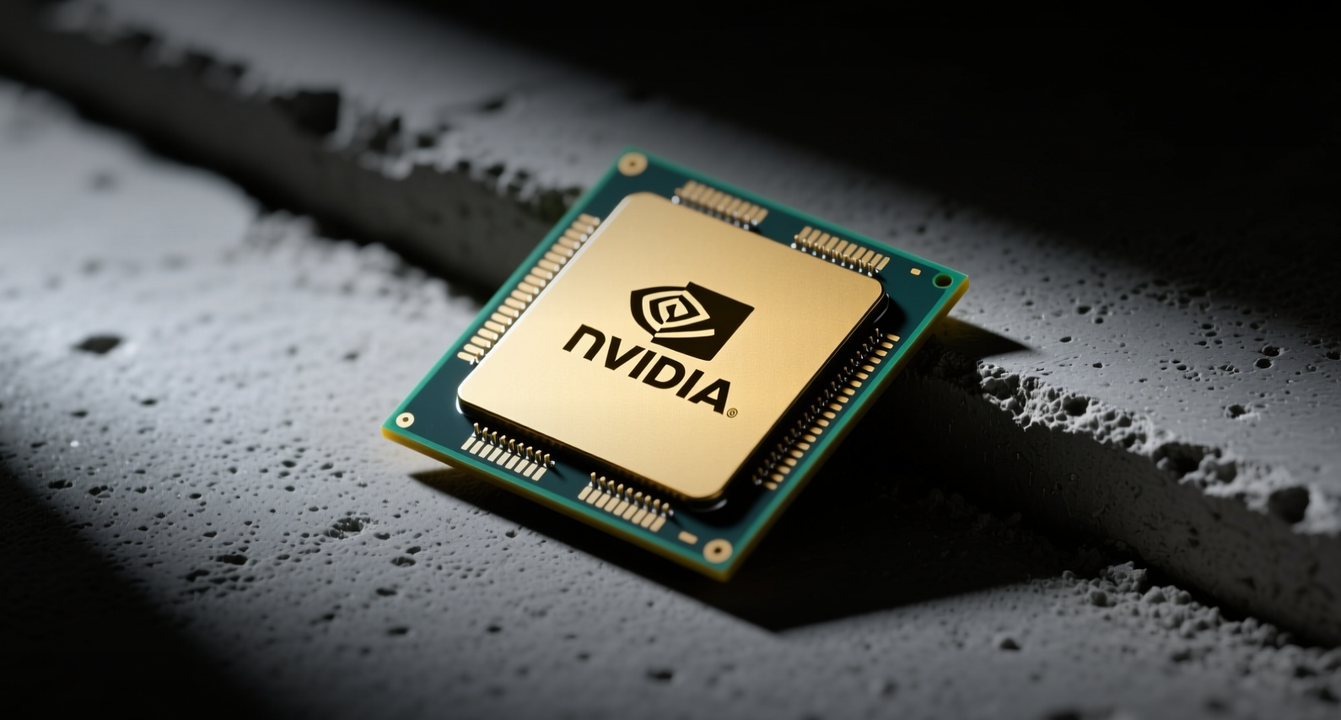
CoreWeave's debt-fueled growth model faces a reckoning as rising interest rates threaten to consume more than three times its operating income.
CoreWeave Inc. shares extended their July losing streak, falling 12% to $77.12, as analysts flagged the AI cloud provider's unusually high exposure to debt financing at a time of rising interest rates.
"Higher rates are a structural problem for CoreWeave given its reliance on debt to fund GPU purchases," one analyst tracking the company said. The company's full-year 2026 interest expense is projected at $2.7 billion to $3 billion, or roughly 2.6 to 3.3 times its entire operating income guidance.
CoreWeave reported first-quarter revenue of $2.078 billion in May, beating consensus estimates, but its adjusted operating margin stood at just 1%. The company's own guidance implies roughly 10 percentage points of margin expansion over two quarters — a pace none of its five reported quarters have achieved. CoreWeave previously cut its 2025 profit forecast to a range of $690 million to $720 million, only to land at $666 million.
The debt overhang comes as CoreWeave explores an unusual Wall Street hedge against falling memory chip prices, according to a person familiar with the matter. The company has held early-stage discussions about using put options and other derivatives to protect against a downturn in DRAM and NAND prices, after signing long-term supply agreements with Micron Technology Inc. and SanDisk Corp. that guarantee price floors for the chipmakers.
Interest Costs Threaten the Growth Narrative
CoreWeave's business model depends on borrowing heavily to buy Nvidia Corp. graphics processing units, then renting that computing capacity to AI developers at a markup. The strategy worked when interest rates were low and GPU demand was insatiable. But with rates remaining elevated, the cost of carrying that debt is consuming an outsized share of revenue.
The company's $2.7 billion to $3 billion in projected annual interest expense compares with an operating income guide that implies roughly $900 million to $1 billion at the midpoint. That leaves little room for error if GPU utilization rates slip or if hyperscaler customers such as Microsoft Corp. and Meta Platforms Inc. shift more workloads to their own internal infrastructure.
Meta, CoreWeave's largest publicly disclosed contractual commitment at roughly $35 billion, is building out its own cloud capabilities, creating a potential long-term overhang for the neocloud provider.
Hedging Against a Memory Price Correction
CoreWeave's discussions about hedging memory chip prices show how deeply the AI boom has entangled cloud providers with the volatile semiconductor market. The company's long-term pacts with Micron and SanDisk lock in supply but leave CoreWeave exposed if DRAM and NAND prices fall — a historically cyclical pattern.
Memory prices have spiked in recent months, but SK Hynix and Micron have indicated they expect fully ramped new manufacturing capacity by early 2028, which typically precedes a price correction. Put options would give CoreWeave the right to sell chip stocks at a predetermined price, offsetting losses from above-market supply contracts.
The company has not executed any hedges and the discussions remain at an early stage, the person said.
CoreWeave shares trade well below their March IPO price as the market reprices the risk embedded in its capital structure. Rival cloud providers with stronger balance sheets — including Amazon.com Inc.'s AWS, Microsoft Azure, and Google Cloud — can absorb higher GPU costs without the same debt-service burden. For CoreWeave, the margin between profitability and loss may come down to whether interest rates fall before its chip supply contracts turn from an asset into a liability.
This article is for informational purposes only and does not constitute investment advice.
