


The AI cloud market pits CoreWeave's infrastructure growth against Microsoft's diversified earnings, with the market set to reach $780.6 billion by 2034.
The AI cloud market pits CoreWeave's infrastructure growth against Microsoft's diversified earnings, with the market set to reach $780.6 billion by 2034.
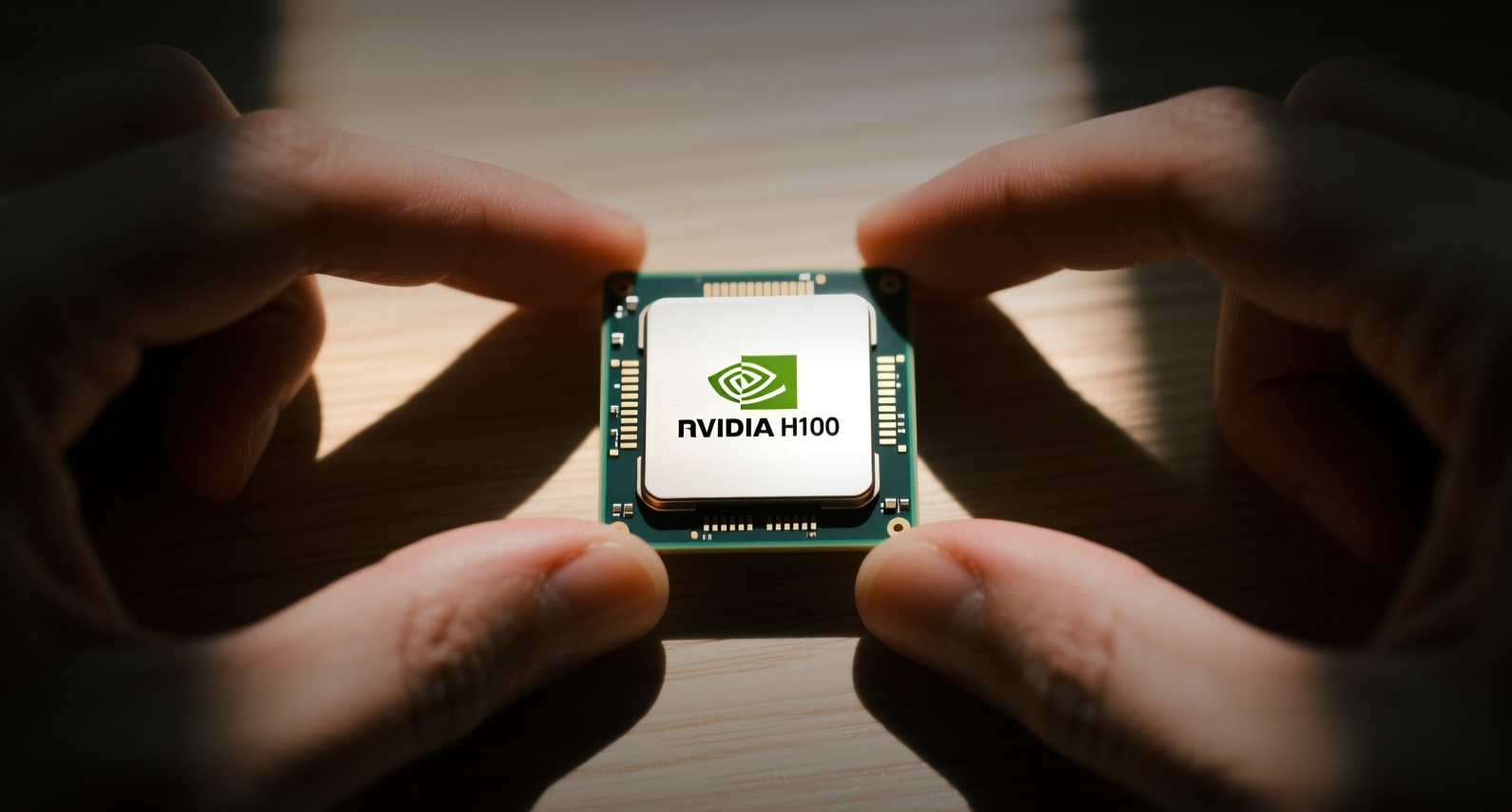
The global cloud AI market, projected to grow from $133.4 billion in 2026 to $780.6 billion by 2034 at a 23.8% compound annual rate, has created two distinct investment paths: pure-play infrastructure builder CoreWeave and diversified giant Microsoft.
"CoreWeave added more backlog in a single quarter than most AI cloud platforms have in their history," Chief Executive Officer Michael Intrator said on the company's earnings call.
CoreWeave reported Q1 2026 revenue of $2.08 billion, up 112% year over year, with a contracted backlog approaching $100 billion. The company has more than 1 gigawatt of active power and 3.5 gigawatts under contract, targeting 8 gigawatts by 2030. Microsoft posted cloud revenue growth of 29% and saw its AI annual recurring revenue more than double, supported by operating margins of 46%.
The divergence in financial profiles is stark. CoreWeave trades at 7.52 times book value with a Zacks Rank #2 (Buy), while Microsoft trades at 6.9 times book with a Zacks Rank #3 (Hold). CoreWeave shares have gained 11.7% year to date; Microsoft has fallen 20.4%.
The Capital Intensity Trade-Off
CoreWeave's growth comes at a steep cost. The company posted a net loss of $740 million in Q1 2026, with capital expenditure reaching $7.7 billion in a single quarter and interest expense doubling to $536 million. Total liabilities stood at $50.8 billion, and free cash flow ran to negative $4.7 billion. Gross margin compressed from 78% to 68% over five quarters, while adjusted operating margin fell to 1%.
Microsoft faces its own capital demands. The company spent $31.9 billion on capital expenditure in its fiscal third quarter, with expectations for more than $40 billion in the fourth quarter. The combination of high capital needs, lease obligations, and large AI infrastructure costs has reduced financial flexibility, according to the company's disclosures.
Infrastructure Backlog vs. Diversified Revenue
CoreWeave's backlog — nearly $100 billion in contracted commitments — provides unusual revenue visibility for a company of its size. More than 10 customers have each committed over $1 billion. The company expects revenue to surpass $18 billion in 2026 and $30 billion in 2027. A partnership with Galaxy Digital has delivered 200 megawatts of power at the Helios data center under a 15-year lease, with 526 megawatts planned across three phases.
Microsoft's advantage lies in diversification. Its AI initiatives strengthen existing businesses across Azure cloud, Microsoft 365, GitHub, and security products. Microsoft 365 Copilot has exceeded 20 million paid seats, and GitHub Copilot continues gaining momentum. Even if AI spending slows, Microsoft's software, cloud, productivity, and security businesses provide steady earnings growth.
Valuation and Market Positioning
Wall Street analysts hold an average price target of $142.29 on CoreWeave, implying 54% upside from current levels, with 24 Buy ratings, 11 Hold, and 2 Sell. The stock has fallen 40% over the past year as investors weighed the capital intensity against growth. NVIDIA's $2 billion equity investment and a partnership targeting more than 5 gigawatts of AI factories by 2030 remain the strongest structural anchor.
Microsoft trades at a premium to the broader market but remains supported by strong cash flow and durable earnings. The company's operating margins of 46% and double-digit revenue growth provide a cushion that pure-play infrastructure companies lack.
For investors seeking maximum exposure to AI infrastructure growth, CoreWeave offers greater upside potential over the next few years if demand continues at current rates. Microsoft provides a more balanced investment profile, with AI strengthening almost every existing business while Azure captures enterprise cloud demand. The choice depends on whether an investor prioritizes explosive growth or diversified stability.
This article is for informational purposes only and does not constitute investment advice.
