
The Chinese AI lab is raising again just weeks after its first outside round, signaling an aggressive push to challenge US rivals on both model performance and chip independence.
The Chinese AI lab is raising again just weeks after its first outside round, signaling an aggressive push to challenge US rivals on both model performance and chip independence.
DeepSeek has begun preliminary talks with investors about a second funding round that would value the company at about $71 billion, the Financial Times reported, just one month after closing its first-ever external raise.
"The speed of DeepSeek's capital raise reflects the intensity of the AI investment cycle, where companies must scale infrastructure faster than revenue materializes," Rachel Kim, an analyst covering AI infrastructure at Edgen, said.
The first round, completed around the end of May, raised about $7 billion at a $52 billion post-money valuation. The new round would represent a 37% increase in valuation in roughly six weeks. DeepSeek has also begun preparations for an initial public offering that could come as soon as this year, according to Bloomberg News.
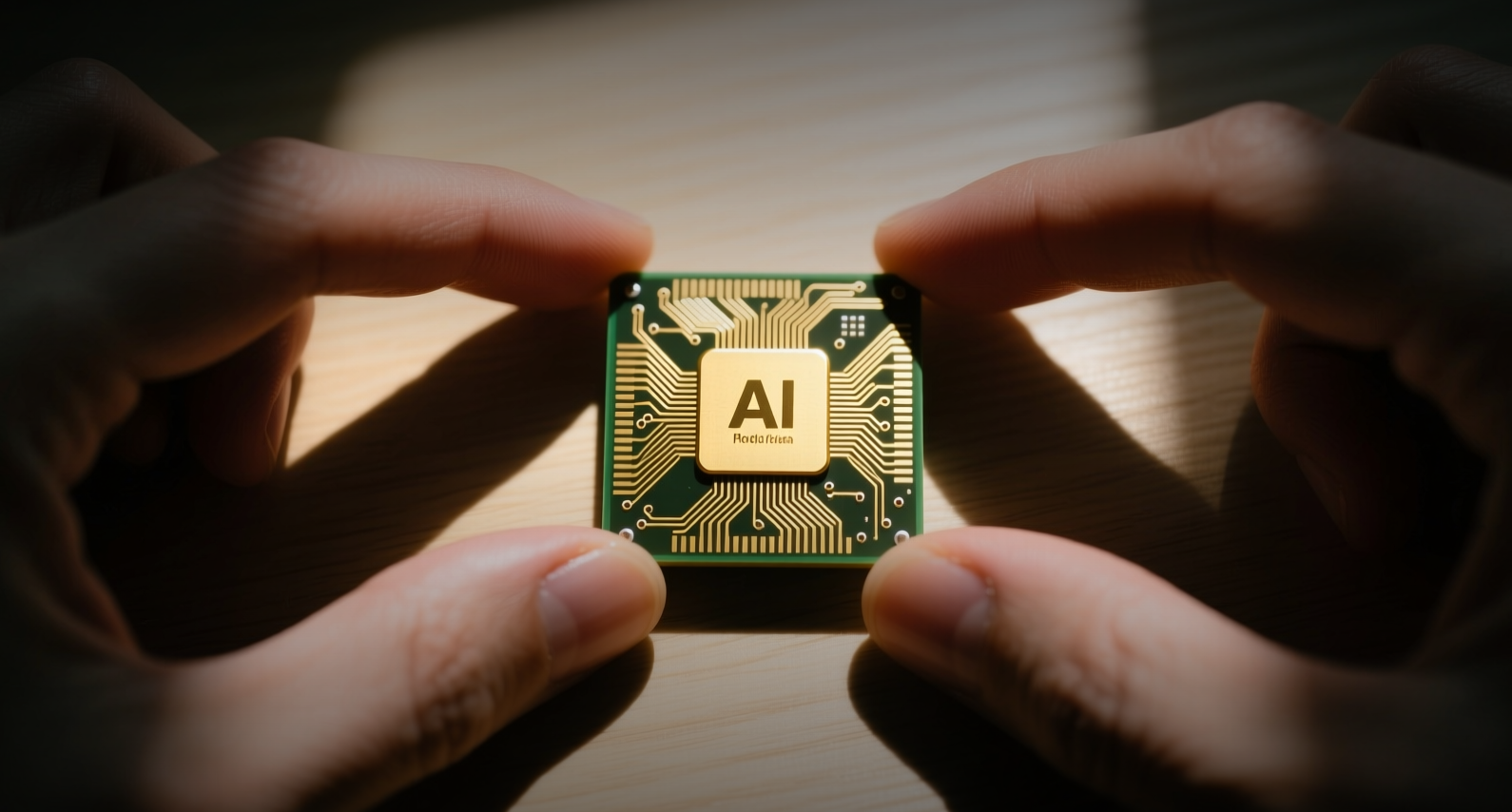
The rapid fundraising cadence underscores the staggering capital demands of the AI arms race, where training costs for frontier models run into the billions. DeepSeek's push to develop its own AI chip, reported by Reuters on July 7, could reduce its reliance on Nvidia and Huawei hardware — a move that, if successful, would reshape the competitive dynamics of China's AI supply chain.
From Startup to National Champion
DeepSeek emerged as China's best-known AI lab early last year when its V3 and R1 models drew widespread praise in Silicon Valley, challenging US assumptions about China's AI capabilities. The startup has since been designated as China's national AI champion, a status that grants access to state resources but also invites closer regulatory scrutiny.
The company's chip development effort represents a strategic hedge against export controls that have restricted Chinese access to advanced semiconductors. Nvidia's H100 and H200 GPUs, which DeepSeek has used to train its models, are subject to US export restrictions. Developing in-house silicon would give DeepSeek greater control over its supply chain and potentially lower the cost of training future models.
What It Means for Investors
DeepSeek's valuation trajectory — from $52 billion in May to a potential $71 billion in July — signals strong investor confidence in China's AI sector despite geopolitical headwinds. The company's dual strategy of raising external capital while pursuing an IPO suggests management is betting on sustained demand for AI infrastructure.
For Nvidia, which has seen its China revenue constrained by export controls, DeepSeek's chip push adds another dimension to an already complex competitive landscape. Huawei, which supplies DeepSeek with some chips, could face reduced demand if the startup's in-house silicon reaches production scale. Neither company has commented on DeepSeek's chip development plans.
This article is for informational purposes only and does not constitute investment advice.
