
The Fed under Kevin Warsh is on track to raise rates for the first time since 2023 as a global bond selloff lifts the 10-year Treasury yield to 4.79 percent.
The Fed under Kevin Warsh is on track to raise rates for the first time since 2023 as a global bond selloff lifts the 10-year Treasury yield to 4.79 percent.
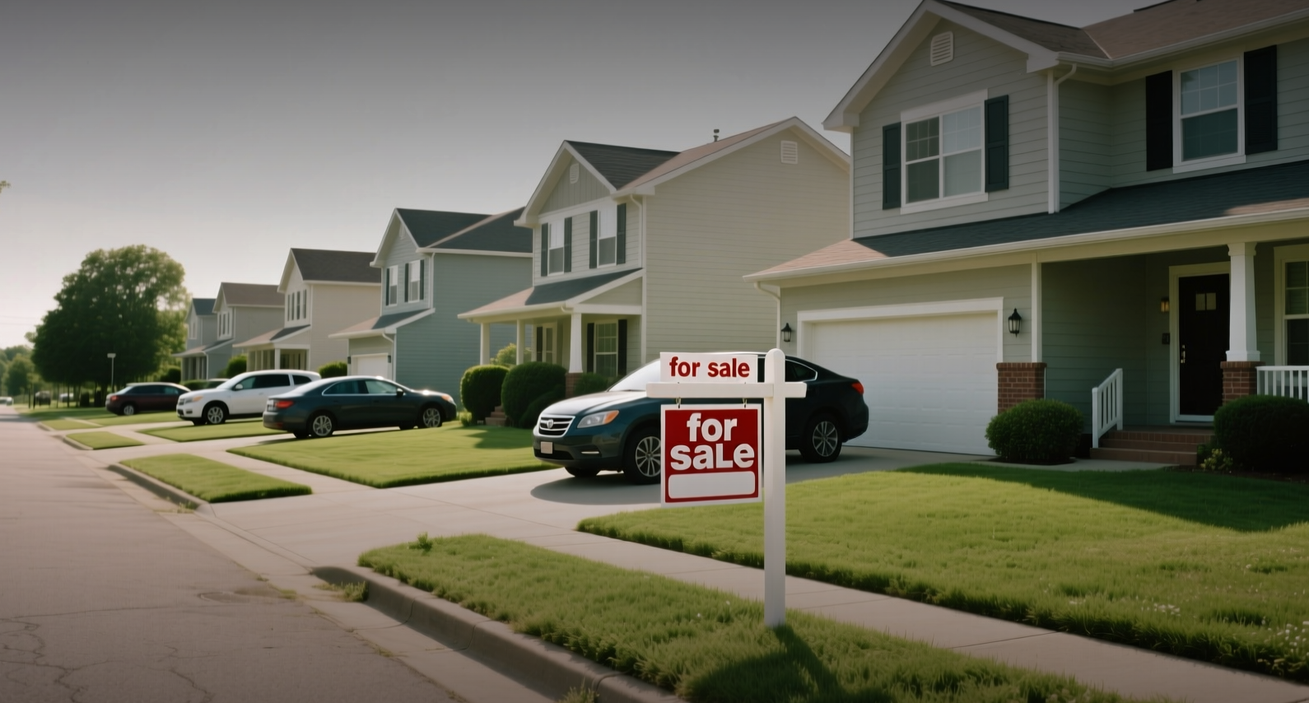
A global bond selloff is pushing the Federal Reserve toward its first rate increase since 2023, with futures pricing near 70 percent odds of a September hike that lifts borrowing costs on mortgages and autos.
"This is going to push mortgage rates much closer to 7 percent," said Mark Fleming, chief economist at First American. "That certainly will reduce affordability, particularly for the potential first-time home buyer."
The selloff is global. Japan's 10-year yield topped 3 percent for the first time since 1996, Britain's 30-year reached its highest since 1998 and Germany's 10-year hit a level last seen in 2011. The 10-year U.S. Treasury yield rose to 4.79 percent, the highest since January 2025, while the 30-year reached 5.27 percent. Brent crude climbed 2 percent to above $92 a barrel after the U.S. and Israel attacked Iran, and regular gasoline averaged about $4.10 a gallon nationally, up from $3.19 a year earlier, according to AAA.
The stakes reach far beyond the Treasury market. Mortgage rates averaged 6.66 percent last week and are heading toward 7 percent, threatening a housing market already frozen by homeowners locked into lower rates, while higher yields risk deflating a stock-market rally that has helped fund a data-center construction boom running at an annualized $75 billion in July.
The selloff deals another blow to a housing market hobbled by four years of high borrowing costs. Mortgage rates briefly fell below 6 percent in February, raising hopes of a rebound, but jumped after the attack on Iran, turning the spring selling season into a bust. Low inventory, the result of homeowners staying put to keep their lower rates, has kept asking prices elevated. The slowdown has already hit home-improvement retailers Home Depot and Lowe's, while building-materials suppliers struggle to replace lost renovation business.
Higher yields also reach the rental market, making it costlier for developers to build and pushing landlords to demand higher rents. Renters who would like to buy are staying put, adding to demand.
Car buyers face similar pressure. Auto loans track medium-term Treasury yields such as the five-year, which has reached its highest since January 2025. Buying a car has become historically expensive after pandemic-era supply-chain bottlenecks and tariffs drove up prices, and more buyers are taking on longer loans to afford monthly payments. Many owners now owe more on their vehicles than they are worth.
The bigger risk sits in equities. The S&P 500 has risen nearly 20 percent over the past year, fueled by enthusiasm for artificial intelligence, and that wealth effect has supported consumer spending. But lofty stock prices are harder to maintain as Treasury yields rise, offering investors lower-risk returns, and as higher rates lift corporate borrowing costs. Corporate-bond yields have climbed sharply this year.
The AI investment boom is a major source of economic support. Private construction spending on data centers reached an annualized $75 billion in July, up $51 billion from the end of 2023, even as private construction spending on everything else fell by $120 billion over the same period. A sustained rise in rates could jeopardize that pipeline.
Inflation stuck above the Fed's 2 percent target — its preferred measure was 3.7 percent in July — has heightened the chance the central bank raises rates this year. Interest-rate futures imply the odds of a quarter-point hike at the September 15-16 meeting are close to 70 percent. By year-end, the chance of at least one increase is around 90 percent, and of at least two is about 50 percent.
Warsh said at the Jackson Hole symposium on Friday that inflation was "concerning," prompting investors to sell bonds as they reassessed the odds of a hike. The last time the Fed raised rates was in 2023, and a move next month would be its first tightening in three years. Higher rates would lift borrowing costs on credit cards and home-equity lines of credit.
The selloff also reflects worries about fiscal health. The U.S. national debt topped a record $40 trillion in August, and investors are demanding greater compensation to hold government debt. The Treasury stepped in last month, increasing the size of its bond buybacks to cool long-end yields, though the impact proved short-lived. Attention now turns to Friday's jobs report, though strategists say the market's focus on debt dynamics may persist regardless of the payrolls number.
This article is for informational purposes only and does not constitute investment advice.
