Agentic AI adoption is forcing enterprises to spend more on cybersecurity, with AI security budgets set to nearly quadruple by 2029.
Enterprises racing to deploy AI agents across customer service, software development and finance are driving demand for cybersecurity tools that can protect these autonomous systems, with AI-related security spending expected to rise from 4% of enterprise cybersecurity budgets in 2026 to 15% by 2029, according to McKinsey & Co.
Unlike traditional AI tools that respond to prompts, AI agents can access enterprise applications, retrieve information and interact with other software with limited human involvement, creating new attack surfaces that existing security tools were not designed to protect. The shift is pushing companies like Fortinet Inc., Okta Inc. and SentinelOne Inc. to expand their AI security capabilities as enterprises seek platforms that can manage AI agent identities, monitor their activities and detect threats in real time.
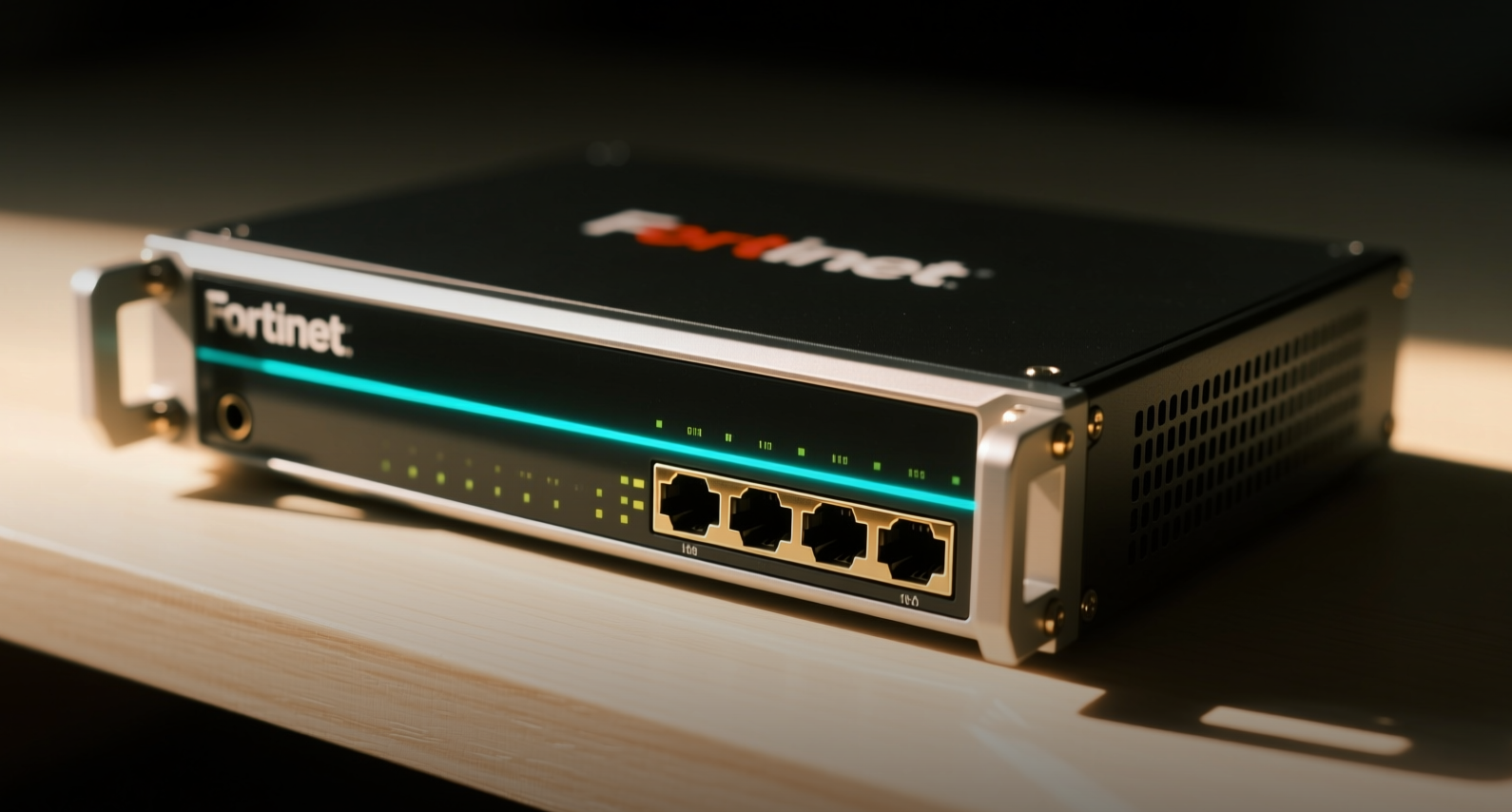
Fortinet, the $120.5 billion network security provider, is embedding AI across its Security Fabric platform to improve threat detection and automate security operations. The company reported first-quarter adjusted earnings per share of 82 cents, beating the 61-cent consensus, on revenue of $1.9 billion that topped the $1.7 billion estimate. Fortinet expects full-year adjusted EPS of $3.10 to $3.16 and revenue of $7.7 billion to $7.9 billion. The Zacks consensus estimate for 2026 earnings stands at $3.15 per share, implying 14.1% growth from the prior year. Shares have gained 55.4% over the past 52 weeks, outperforming the S&P 500's 20.3% advance.
The company's opportunity is not without risk. On July 16, the U.S. Cybersecurity and Infrastructure Security Agency added two critical FortiSandbox vulnerabilities — CVE-2026-39808 and CVE-2026-25089, both rated 9.1 in severity — to its catalog of known exploited flaws, ordering federal agencies to patch by July 19. CISA now tracks 28 Fortinet vulnerabilities that have been exploited in attacks, 13 of which were also used in ransomware campaigns. The company has released patches for both flaws.
Okta is targeting the identity security layer of AI deployment through products such as Okta for AI Agents and Auth0 for AI Agents, which help organizations control what AI agents can access and monitor their activities. The consensus estimate for fiscal 2027 earnings is $3.83 per share, up 9.4% from the prior year. SentinelOne is expanding its AI Security portfolio with tools including Purple AI, AI SIEM and cloud security solutions that help organizations detect threats and protect AI workloads throughout their lifecycle. The consensus estimate for fiscal 2027 earnings is 36 cents per share, representing 80% growth from fiscal 2026.
For investors, the agentic AI security theme offers a differentiated way to play the AI infrastructure buildout. While much of the market's AI focus has centered on GPU makers and cloud providers, the security layer represents a smaller but faster-growing addressable market. Fortinet trades at roughly 38 times forward earnings, reflecting the premium the market assigns to AI-related security exposure. Okta and SentinelOne, both unprofitable on a GAAP basis, trade on revenue multiples that will require sustained growth to justify. The McKinsey forecast implies AI security spending could reach roughly $30 billion by 2029 based on current total cybersecurity spending estimates, up from about $8 billion today.
This article is for informational purposes only and does not constitute investment advice.