
French consumer prices rose 2.7% in August, accelerating from July's 2.4% as energy costs from the Middle East conflict pressure the ECB.
French consumer prices rose 2.7% in August, accelerating from July's 2.4% as energy costs from the Middle East conflict pressure the ECB.
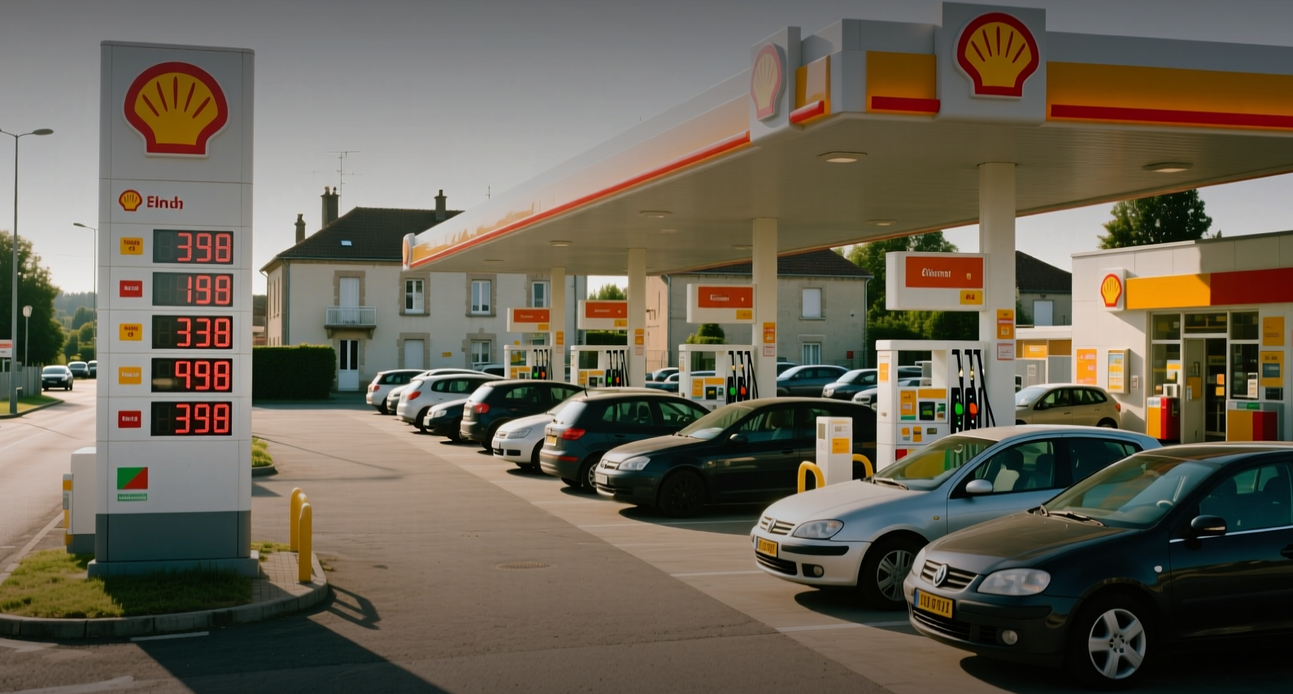
French consumer prices rose 2.7% in August, accelerating from July's 2.4% as energy costs from the Middle East conflict pressure the ECB.
French inflation accelerated to 2.7% in August from 2.4% in July, driven by elevated energy costs tied to the U.S.-Israel war with Iran, adding pressure on the European Central Bank ahead of its Sept. 10 rate decision.
French consumer prices rose 2.7% year-on-year in August, up from 2.4% in July, according to preliminary EU-harmonized data from INSEE, France's national statistics agency. The acceleration was driven by higher energy costs, particularly oil products, the agency said.
The August reading marks a re-acceleration after inflation peaked at 2.8% in May, eased following a tentative peace deal in June that brought energy prices lower, and then climbed again as hostilities in the Middle East resumed. Services inflation eased in August, pointing to limited second-round inflationary effects in a key sector of the economy. Separately, INSEE reported France's economy was flat in the second quarter, with final GDP data showing 0.0% growth versus a preliminary reading of 0.2%, as exports rebounded 2.9% after a 3.0% decline in the prior quarter.
The inflation data lands ahead of the ECB's Sept. 10 meeting, when the central bank is widely expected to raise rates for the second time since the war began. A second hike would extend the ECB's tightening cycle as policymakers seek to anchor inflation expectations, with energy-driven price pressures threatening to spill into wages and services. The euro zone's second-largest economy faces a delicate balance: inflation running above the ECB's 2% target while growth stagnates.
The harmonized consumer price index uses a standardized methodology across European Union countries, allowing direct comparison of inflation trends between France and other euro zone members. The acceleration from 2.4% in July to 2.7% in August suggests energy costs remain a persistent source of near-term price pressure, with changes in oil prices quickly affecting transportation and other energy-related expenses. For households, higher energy bills directly reduce disposable income, while businesses face rising input costs that could eventually pass through to consumers.
The ECB's expected rate hike would mark the second increase since the war began, following an initial move after the conflict's outbreak. The central bank's primary concern is preventing higher energy costs from feeding through into other areas of the economy through second-round effects. The easing of services inflation in August provides some reassurance that such effects remain limited, though policymakers will watch wage data closely in coming months.
The French data complicates the ECB's policy calculus. While inflation at 2.7% remains above the central bank's 2% target, France's flat second-quarter GDP reading highlights the fragility of the euro zone's growth outlook. Exports rebounded 2.9% in the quarter after a 3.0% decline, driven by a strong recovery in aeronautical exports, while household consumption rose 0.3% after falling 0.3% in the first quarter. The combination of accelerating inflation and stagnant growth creates a stagflationary risk that the ECB must weigh carefully.
The last time French inflation exceeded 2.7% was in May, when it peaked at 2.8% before the June peace deal temporarily eased energy prices. That episode shows how quickly energy-driven inflation can recede when geopolitical tensions subside, but also how vulnerable the euro zone remains to supply-side shocks from the Middle East. The pattern of the past four months — a May peak, June easing, and August re-acceleration — illustrates the volatility that energy-driven inflation introduces into the policy outlook.
For the ECB, the September decision will hinge on whether the current energy-driven spike is viewed as transitory or persistent. If oil prices continue to climb as the conflict drags on, the central bank may need to raise rates more aggressively, which would further weigh on an already-stagnant euro zone economy. If energy prices stabilize, the easing of services inflation suggests the ECB could limit the scale of further tightening. The outcome will also shape expectations for the euro, bond yields, and equity markets across the currency bloc, as investors price in the path of monetary policy.
This article is for informational purposes only and does not constitute investment advice.
