
Goldman Sachs forecasts Brent crude could reach USD120 a barrel if attacks on Middle East oil transport routes intensify, while normalization of regional exports would pull prices to USD80, with Brent currently near USD97.
Goldman Sachs forecasts Brent crude could reach USD120 a barrel if attacks on Middle East oil transport routes intensify, while normalization of regional exports would pull prices to USD80, with Brent currently near USD97.
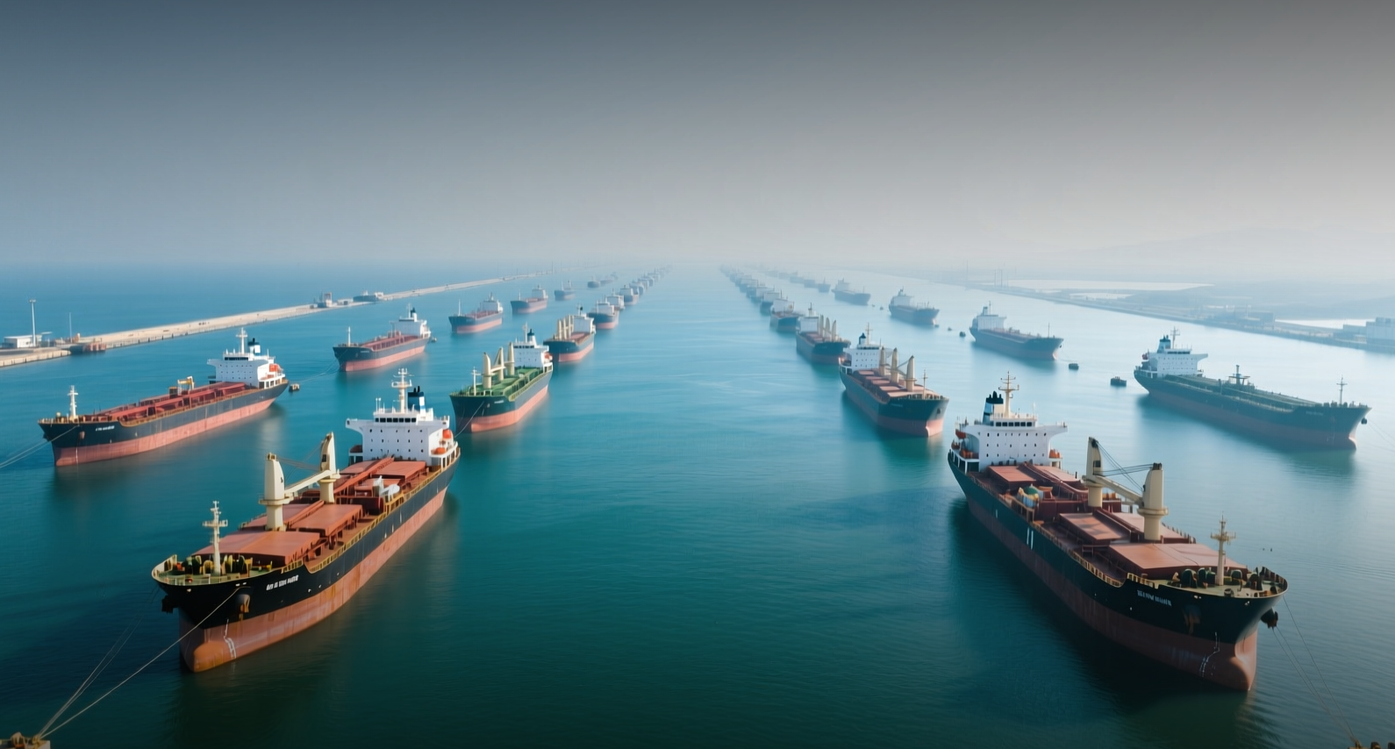
Brent crude traded near USD97 a barrel as Goldman Sachs warned that escalating attacks on Middle East oil transport routes could push prices to USD120, while normalization of regional exports would drag them to USD80.
"Recent events showed that expanding shipping disruptions and mounting risks would become key influencing factors," Daan Struyven, head of global commodities research at Goldman Sachs, said.
Brent futures last quoted at USD96.79 a barrel, up about 0.5 percent, while New York oil traded at USD92.02. The bank's baseline scenario assumes regional exports return to normal, which would bring prices down to USD80. Goldman also raised its global diesel refining margin forecast to USD63 a barrel on continued tight supplies, recommending investment exposure to natural gas and diesel-linked assets.
The widening gap between the USD120 bull case and the USD80 normalization scenario shows how much of the current price reflects a geopolitical risk premium rather than physical supply tightness. If attacks on tanker routes continue to escalate, energy importers face higher fuel costs that would feed into inflation expectations and pressure central banks to keep rates higher for longer.
The US and Iran have been engaged in a months-long tanker war, with attacks disrupting shipping lanes that carry a substantial share of global crude. Each incident adds to the risk premium embedded in prices, and Goldman's commodities team sees no near-term de-escalation. The bank's recommendation to hold natural gas and diesel exposure reflects a view that refining margins will stay elevated as long as supply routes remain contested.
For energy producers, the upside is direct. PetroChina reported first-half net profit up 22 percent to RMB103.9 billion, with an interim dividend of RMB0.26 per share, as elevated crude prices boosted upstream earnings. Integrated producers stand to benefit further if Brent sustains levels above USD95, while downstream consumers — airlines, shipping companies, and chemical manufacturers — face margin compression from higher feedstock costs.
The last comparable episode came in 2022, when Russia's invasion of Ukraine and subsequent sanctions pushed Brent above USD120 a barrel, triggering the sharpest inflation surge in four decades and forcing the Federal Reserve into an aggressive tightening cycle. A repeat scenario from Middle East supply disruption would carry similar implications for global monetary policy, though the transmission would depend on how long disruptions persist.
Goldman's USD80 baseline assumes shipping lanes reopen and regional exports normalize. That scenario would strip out the risk premium and bring prices closer to pre-escalation levels, easing cost pressures for importers but trimming margins for producers that have priced in sustained geopolitical tension. The divergence between the two scenarios — a USD40 swing — reflects genuine uncertainty over whether the tanker war escalates or abates.
This article is for informational purposes only and does not constitute investment advice.
