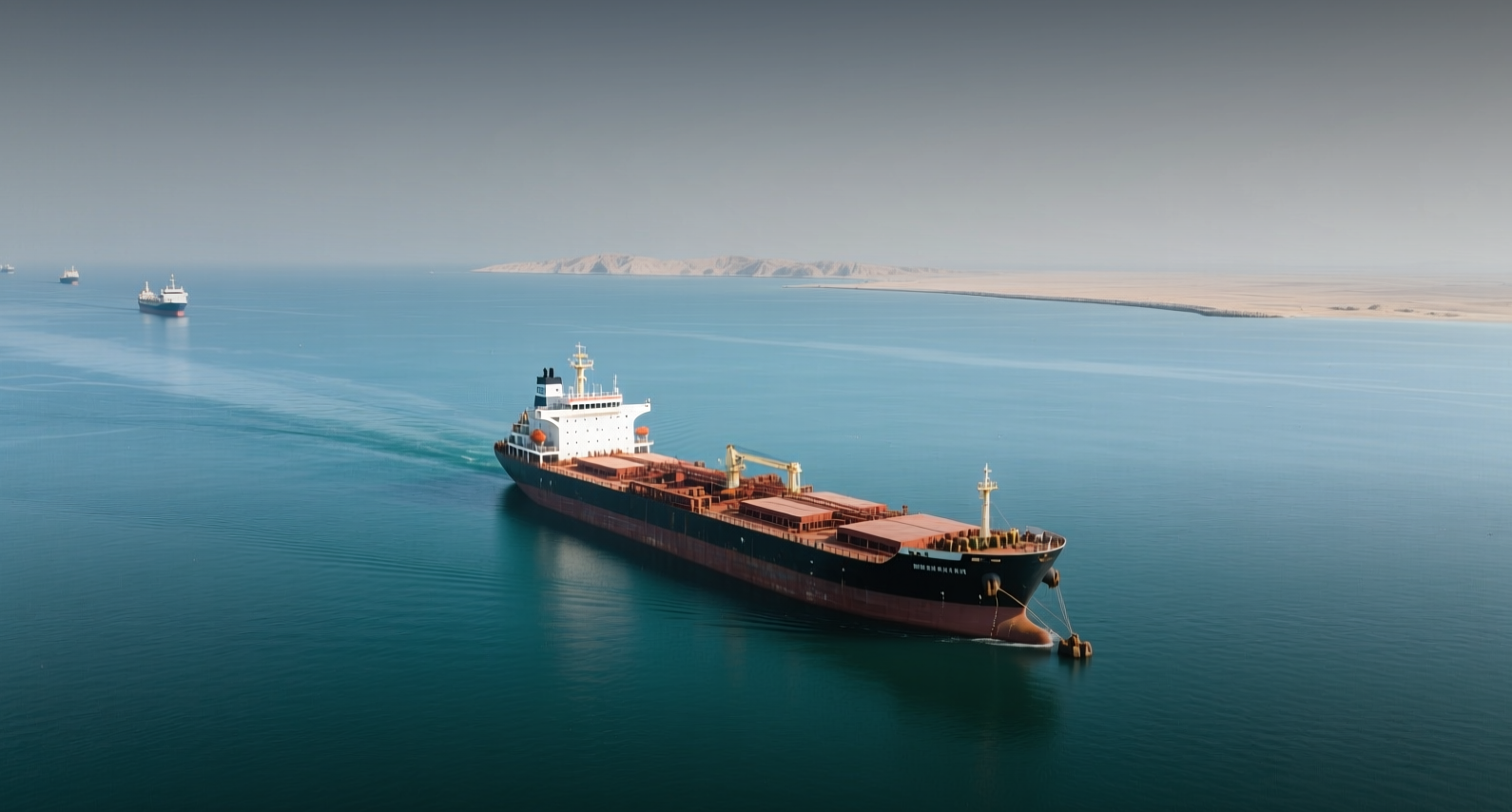
Iran's Revolutionary Guards said two US-controlled tankers hit naval mines in the Strait of Hormuz on Wednesday, a claim Washington dismissed as disinformation that sharpens risk at the chokepoint for 20 percent of global oil.
"No ships have encountered mines in the Strait of Hormuz," US Central Command said on X, calling the IRGC report "yet another attempt to create fear among commercial vessels in the region through the dissemination of disinformation."
The claim follows a US strike on Aug 30 against IRGC mine-laying forces on Larak Island in the strait — the first direct US attack on Iranian military positions in more than a month. Iran retaliated with ballistic missiles and drones against US facilities in Jordan, Kuwait, the UAE, Bahrain and Iraq, with Jordan's military reporting it intercepted eight missiles. The exchange marks the latest escalation in a conflict that began in late February and has already disrupted shipping through the waterway that handles roughly 20 percent of global oil consumption and a significant share of LNG flows.
The stakes extend beyond the strait. Iran's exports have fallen 25 to 35 percent in recent months, and the rial hit a record low in August, according to President Masoud Pezeshkian. Treasury Secretary Scott Bessent said Iran is "lashing out kinetically because they are losing economically," while President Donald Trump vowed the US would "hit them hard." If the mine threat forces insurers to raise war-risk premiums or shipping lines to reroute, the cost would ripple through global energy prices and inflation expectations.
The UK Maritime Trade Operations center separately reported that a tanker was struck by three unknown projectiles on Aug 31 while completing an outbound transit of the strait, approximately 17 nautical miles east of Khasab, Oman. UKMTO said there were no casualties or environmental impact and that authorities were investigating. The incident came as US forces said they had completed clearing sea mines from the strait's international shipping routes and were monitoring the area closely.
A Conflict Entering Its Sixth Month
The current escalation traces to late February, when the US-Israel-Iran conflict began. Since then, Washington has imposed sweeping sanctions under what Bessent called an "economic onslaught," including a naval blockade of Iranian ports. The European Union Aviation Safety Agency renewed its warning against Gulf airspace on Aug 31, citing "high risks" over the waters of Bahrain, Kuwait, Qatar, the UAE and Jordan.
The last time the strait faced a comparable closure threat was during the 1980s Tanker War, when Iran and Iraq attacked each other's oil shipping and the US Navy escorted reflagged Kuwaiti tankers through the waterway. More recently, in 2019, Iran was accused of attacking tankers near the strait after the US withdrew from the nuclear deal, briefly pushing Brent above $75 a barrel before tensions eased.
Iran has said the waterway is closed, while the US maintains it is working to secure freedom of navigation. The IRGC said on Wednesday that the two tankers were struck while attempting to pass through an unauthorized route instead of Iran's designated safe passage, and that the vessels are currently on fire. The claim could not be independently verified.
For global markets, the immediate question is whether the mine threat translates into sustained disruption. War-risk insurance premiums for vessels transiting the strait have been a key transmission channel in previous escalations, and any sustained closure would force tankers carrying Gulf crude to reroute around the Cape of Good Hope, adding weeks to voyage times and tightening the global supply balance. Saudi Arabia, the UAE and Kuwait export the bulk of their crude through the strait, and the waterway also carries a significant share of global LNG, primarily from Qatar.
The broader regional security architecture is shifting as well. Saudi Arabia, Turkey and Pakistan signed the Mecca Joint Defense Agreement on Aug 7, creating a collective defense pact that analysts describe as a response to the new threat environment. The grouping held its first plenary meeting in Istanbul on Aug 31.
This article is for informational purposes only and does not constitute investment advice.