
The IMF approved the next $140 million disbursement to El Salvador after confirming the government used no public funds to buy bitcoin since June 2025, with all accumulation traced to private donations.
The IMF approved the next $140 million disbursement to El Salvador after confirming the government used no public funds to buy bitcoin since June 2025, with all accumulation traced to private donations.
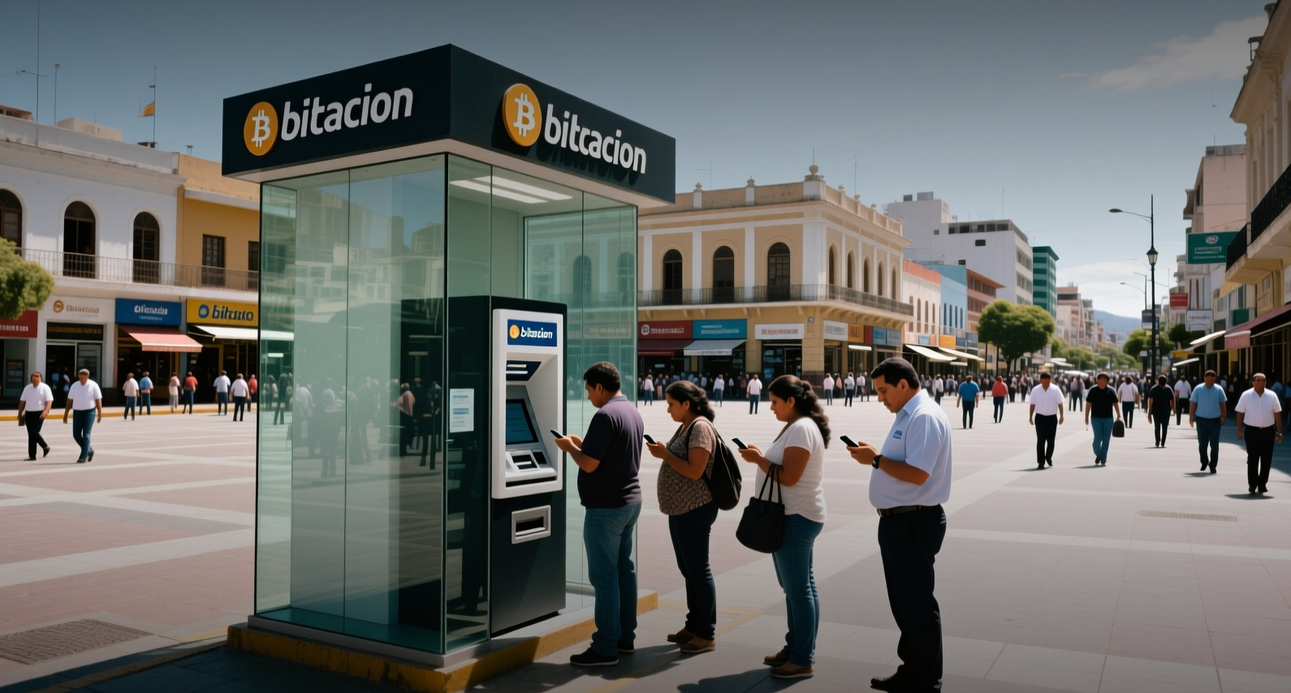
El Salvador is set to receive about $140 million from the International Monetary Fund after the lender confirmed that bitcoin added to the government's holdings since June 2025 came from private donations rather than public funds.
"The authorities provided documentation showing that bitcoin accumulated since the first review was sourced from private donations, with no public resources used," the IMF said in a Sept. 3 statement announcing a staff-level agreement on the combined second and third reviews of El Salvador's 40-month Extended Fund Facility. The deal still requires approval from the fund's executive board.
El Salvador's official tracker shows holdings at 7,764.37 BTC, worth roughly $628 million with bitcoin trading near $81,000. The government's average acquisition cost of $67,290.83 per coin leaves the reserve holding about $239 million in unrealized gains. The balance jumped by more than 1,000 BTC in November 2025, when the government bought 1,091 coins as prices fell, and has since grown by roughly one bitcoin a day.
The disclosure explains how El Salvador kept expanding its reserve even though the IMF's first review required the public sector's bitcoin balance to remain unchanged. The fund said no further accumulation beyond the documented donations is expected, and the $140 million tranche — equal to about 101.96 million special drawing rights — will support economic reforms and public finances. The IMF projects El Salvador's economy will grow 4.5 percent in 2026 and wants the government to cut public debt toward 80 percent of gross domestic product by 2030.
Chivo handover and conditionality
Blockchain records show coins moving into government wallets but not where they originated, which is why the IMF's July 2025 review attributed some reported increases to transfers between state-controlled accounts. The new documentation adds that any accumulation after that review came from private gifts, not government purchases. The fund did not identify the donors or say how much each contributed.
The February 2025 agreement made bitcoin acceptance by private businesses voluntary, required taxes to be paid in U.S. dollars and limited public-sector purchases. El Salvador has since transferred majority ownership and daily operation of its Chivo wallet to an unidentified private operator while keeping a minority stake and custody of customer assets. Both sides also agreed to strengthen the legal and supervisory framework for digital assets and improve oversight of bitcoin held by the public sector.
President Nayib Bukele said in March 2025 that the country's bitcoin purchases would not stop because of the IMF deal, and the daily accumulation has kept El Salvador the fifth-largest state holder of bitcoin globally. The arrangement is being watched by other governments weighing strategic reserves, including the United States, where lawmakers have debated a federal bitcoin stockpile tied to the GENIUS Act.
The conditionality illustrates the friction between sovereign crypto adoption and international financial institutions: El Salvador can keep its reserve growing through donations and private flows, but the $1.4 billion program bars public money from the purchases. The executive board's decision on the reviews will determine whether the next tranche is released, with the fund's statement giving no date for a vote.
This article is for informational purposes only and does not constitute investment advice.
