
Iran cleared several Iraqi oil tankers through the Strait of Hormuz, easing a chokehold that cut Baghdad's crude exports to a fraction of pre-war levels.
Iran cleared several Iraqi oil tankers through the Strait of Hormuz, easing a chokehold that cut Baghdad's crude exports to a fraction of pre-war levels.
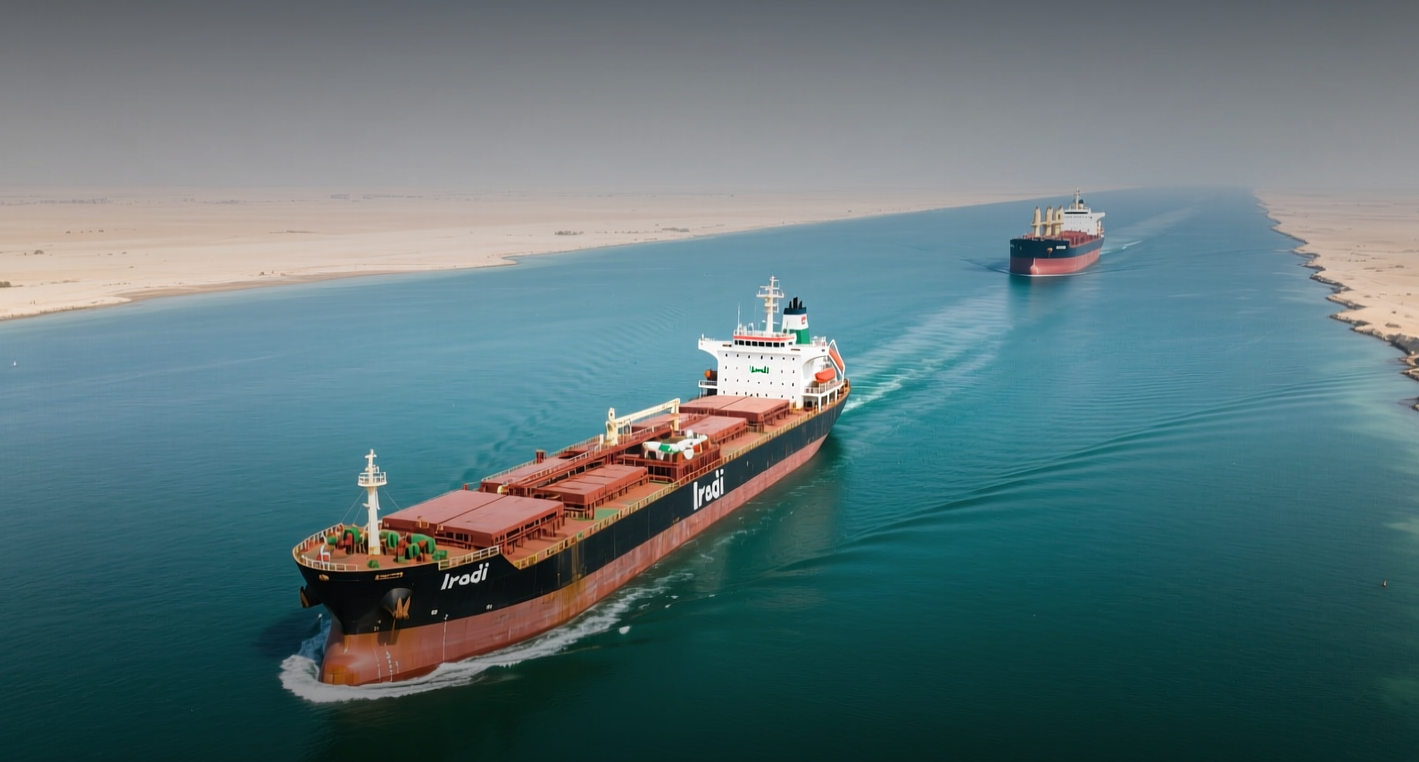
Iran cleared several Iraqi oil tankers through the Strait of Hormuz, easing a chokehold that cut Baghdad's crude exports to a fraction of pre-war levels.
Iran granted special clearance for several Iraqi oil tankers through the Strait of Hormuz after repeated requests from Baghdad, offering relief to an economy that relies on crude for about 90 percent of government revenue.
"Iran facilitated the passage of vessels carrying Iraqi oil through the strait in recent days," Iraqi President Nizar Amedi said Saturday at the Baghdad Dialogue policy conference, adding that the issue remained complicated.
Iraq produced around 4 million barrels a day before the war. Exports recovered to about 49 million barrels in July, with more than 30 million passing through Hormuz, and averaged around 2 million barrels a day in the first two weeks of August, the highest level since the conflict began, according to Agence France-Presse.
The special clearance helps Baghdad restore export volumes and protect the foreign currency needed to fund a large state payroll, but the number of tankers approved and their capacity were not disclosed, leaving the near-term impact on overall volumes unclear.
Iran's state news agency IRNA reported Saturday that Tehran granted the tankers special permission after Iraq submitted requests through diplomatic channels. Securing passage for Iraqi tankers was among Baghdad's main requests before and during Iranian Parliament Speaker Mohammad Baqer Ghalibaf's visit to Iraq, IRNA said. Iraqi Parliament Speaker Mohammad al-Halbousi met Ghalibaf on Wednesday and requested special treatment for Iraqi oil exports through the waterway, citing the relationship between the two neighbors.
The Strait of Hormuz handles about 21 percent of global oil trade, and Iran's effective closure of the waterway has hit Iraq harder than most producers because the bulk of its crude leaves from southern Basra terminals. Restrictions forced production cuts as storage filled, squeezing the state's principal source of foreign currency. The disruption has kept a geopolitical risk premium in crude prices, with Brent and WTI holding elevated levels as traders weigh the risk of further supply losses from the region.
The approval comes as Washington escalates pressure on Tehran. The United States imposed new sanctions on Iran this week, which Tehran called a declaration of war on all nations, while the U.S. Navy said it moved 15 million barrels of oil through Hormuz in a single day, according to the U.S. energy chief. The juxtaposition of Iranian clearance for Iraqi tankers with U.S. naval escorts shows how contested the waterway remains.
Baghdad is working to reduce its dependence on the Gulf route. Prime Minister Ali al-Zaidi said Friday the government is seeking to expand exports through Türkiye's Ceyhan port and to begin shipments through Syria's Baniyas and Jordan's Aqaba ports, while Iraq has also moved crude by tanker truck through Syria since shipping disruptions began. Al-Zaidi said Iraq is working within the OPEC+ framework to raise production capacity to between 9 million and 10 million barrels a day within six years and has asked OPEC for a higher quota.
The last time Iraq faced a comparable loss of Gulf export access, during the 1990-91 Gulf War, output collapsed and the country spent years rebuilding export infrastructure. The current episode has demonstrated the vulnerability of concentrating most exports along a single maritime corridor, pushing Baghdad to build multiple outlets capable of protecting revenue if Hormuz access is again restricted.
For an economy in which oil finances the overwhelming majority of government income, maintaining those routes is tied directly to fiscal stability, access to foreign currency and the ability to meet public-sector obligations. The special Iranian clearance may sustain some shipments in the near term, but the broader strategy increasingly centers on diversifying export corridors.
This article is for informational purposes only and does not constitute investment advice.
