
Iran's top security body calls for ending regional wars as Hormuz shipping collapses to six vessels daily.
Iran's top security body calls for ending regional wars as Hormuz shipping collapses to six vessels daily.
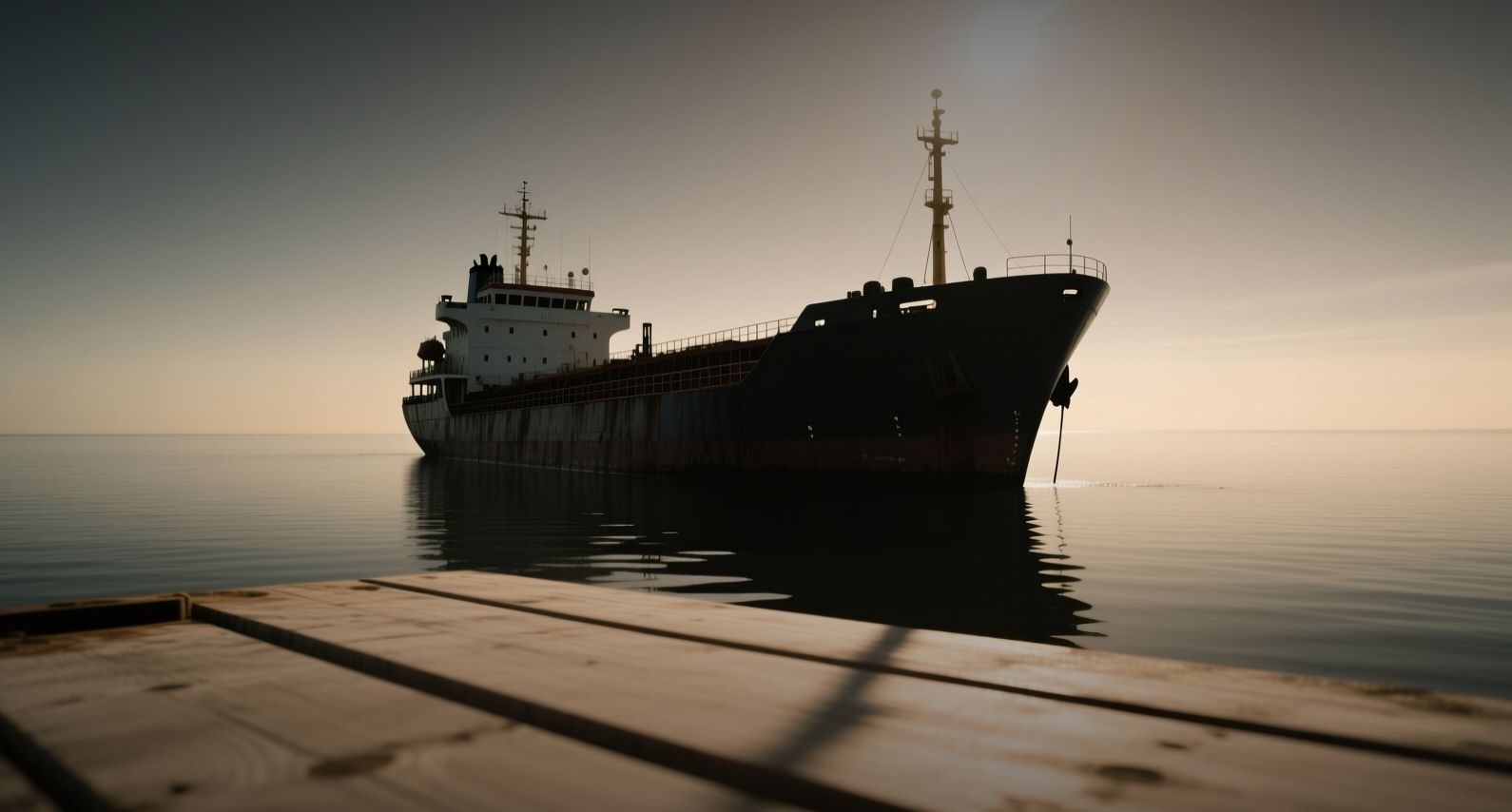
Iran's top security body called for ending wars across the region, including Lebanon and Gaza, as Strait of Hormuz traffic fell to six vessels Monday from a pre-conflict average of 130 to 140 daily.
"The Islamic Republic will not retreat from the rights and interests of its people in the face of any threat," Mohsen Rezaei, secretary of Iran's Supreme National Security Council, said in a statement. He said Iran's foreign policy would focus on strengthening deterrence, countering pressure and responding immediately to any attack.
The statement comes as the US naval blockade has cut Hormuz transits to six vessels on Monday, compared with a 10-day average of about 11, according to ship-tracking firm Kpler. Before the conflict erupted in late February, roughly 130 to 140 ships passed through the waterway daily. The blockade could add about $18 billion a year to Iran's trade costs, said Majidreza Hariri, head of the Iran-China Chamber of Commerce, as shipping a container from China to Iran costs about $3,000 by sea versus $12,000 by land.
The dual messages — a ceasefire call from Iran's highest security body alongside continued resistance rhetoric — leave markets uncertain about the conflict's trajectory. Brent crude and gold face volatility depending on whether the statement points to genuine de-escalation or diplomatic repositioning. Qatar said negotiations between Oman and Iran over the Strait of Hormuz have reached an "advanced stage" and are at a "critical juncture," with Doha pressing for the waterway's reopening "at the earliest opportunity."
Iran's statement follows a series of diplomatic overtures. Pakistan's Interior Minister Mohsin Naqvi arrived in Tehran for talks with Iranian officials, hours after Pakistan's defence minister said the US and Iran are close to "some sort of an arrangement." Naqvi has made several trips to Tehran over the past few months as part of Pakistani efforts to mediate a peace agreement between Iran and the United States.
The economic toll of the conflict continues to mount. US Treasury Secretary Scott Bessent said Iran faces "150, 180 percent food inflation" and is unable to pay its troops. Iran plans to bring 95 million cubic metres of natural gas back into its production cycle by late September as repair work continues on energy infrastructure damaged during the war, Oil Minister Mohsen Paknejad said. Strikes targeting key facilities have knocked out an estimated 230 million cubic metres of daily natural gas output since the conflict began.
The Strait of Hormuz handles roughly 21 percent of global oil trade, making the waterway's status a critical variable for energy markets. Trump said Monday that the US Navy has "100 per cent control" of the strait, describing the blockade as "a steel wall." He also said Iran should pay reparations for damage he claimed it had caused over the past 50 years.
The last time Hormuz shipping was significantly disrupted was during the 2019 tanker attacks, when oil prices spiked briefly before retreating as supply concerns eased. The current blockade is more extensive, with the US enforcing a naval cordon on Iranian ports and intercepting vessels attempting to reach them. A US military helicopter fired at the rudder of a Panama-flagged ship after its crew ignored warnings from personnel enforcing the blockade, the Wall Street Journal reported.
Iranian Foreign Minister Abbas Araghchi said Iran had shown the world that it is "a tough and invincible power," adding that "no one thought that Iran could resist America like this." The comments highlight the tension between Iran's ceasefire rhetoric and its stated commitment to resistance.
If the Oman-Iran negotiations succeed in reopening the strait, oil prices could face downward pressure as supply risk premiums unwind. If talks stall, the blockade's economic impact on Iran — already facing triple-digit food inflation — will deepen, potentially forcing Tehran to escalate or capitulate. Markets will watch for concrete signals from the next round of mediation, with Qatar's foreign ministry saying the talks are at a "critical juncture."
This article is for informational purposes only and does not constitute investment advice.
