
Key Takeaways: Iran's president said the conflict should end "with dignity today," a statement that could strip the geopolitical risk premium from crude prices.
Key Takeaways: Iran's president said the conflict should end "with dignity today," a statement that could strip the geopolitical risk premium from crude prices.
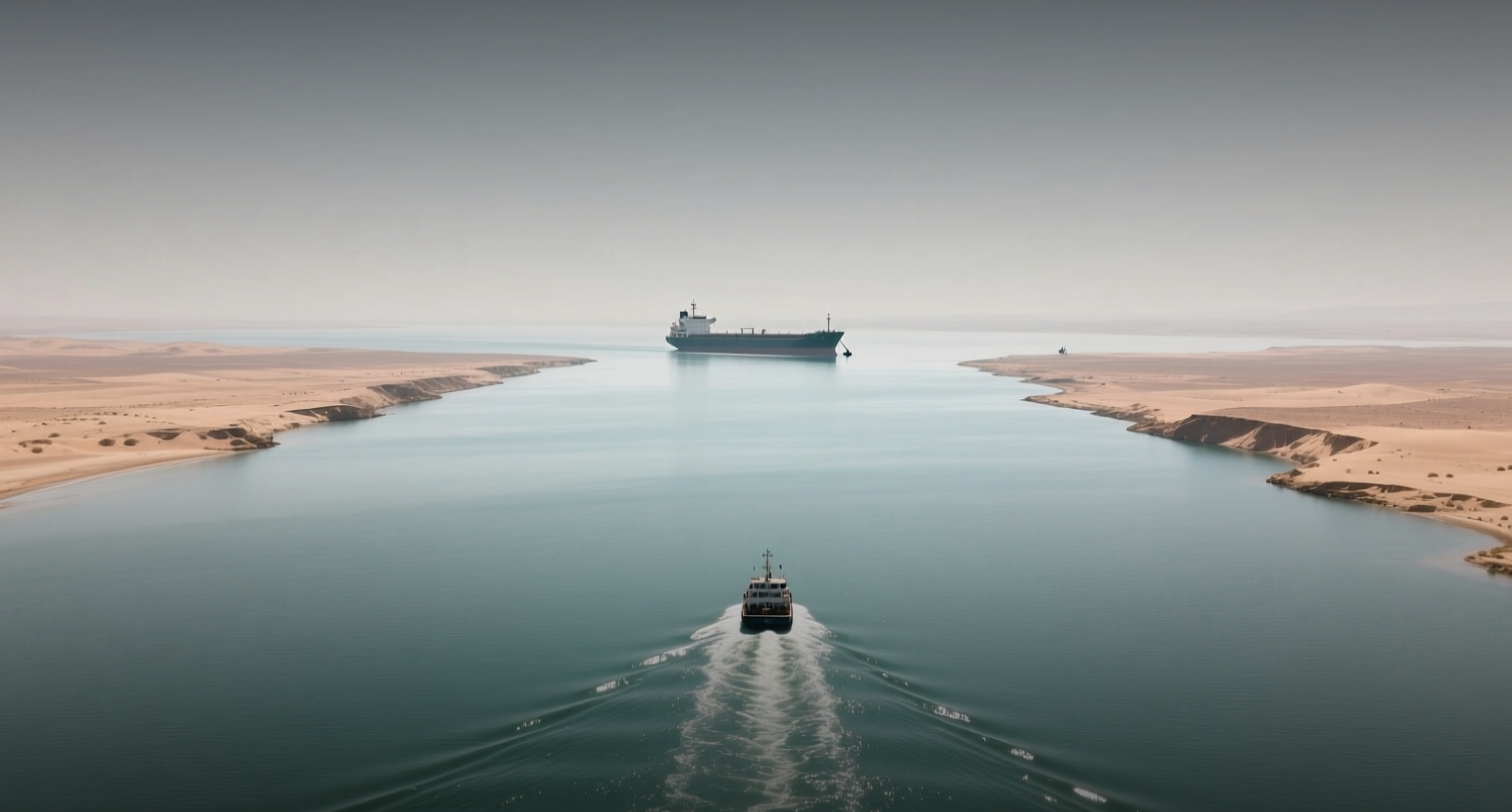
Iran's president said the conflict should end "with dignity today," a statement that could unwind the geopolitical risk premium embedded in crude, with Brent holding near $91 a barrel and WTI at $84.94.
"It's best to end the conflict with dignity today," the Iranian president said, according to ISNA, the semi-official Iranian Students' News Agency.
The statement follows a week of escalating tensions that pushed U.S. Treasury yields to multi-year highs and dragged the Nasdaq Composite down 1.33 percent, the Dow Jones 0.22 percent, and the S&P 500 0.69 percent. Brent crude rose 15 cents to $91.02 a barrel, while West Texas Intermediate gained 44 cents to settle at $84.94, as markets priced in the risk of a Strait of Hormuz closure — a chokepoint that handles roughly 21 percent of global oil trade.
If the president's overture translates into concrete de-escalation steps, the geopolitical risk premium in crude could unwind, potentially pushing Brent below $90 and lifting risk assets. If talks stall, oil could spike further, with U.S. Treasury Secretary Scott Bessent having already announced what he described as the toughest sanctions ever imposed on Iran.
The de-escalation signal arrives as Washington ramps up economic pressure. Bessent's sanctions announcement on Thursday targeted Iran's oil exports, and Reuters reported that Iranian oil offers to Chinese buyers have already fallen as the U.S. blockade takes effect. Iranian parliament speaker Mohammed Baqer Qalibaf said Friday that Tehran must plan to overcome "unjust sanctions," a stance that contrasts with the president's conciliatory tone and highlights the internal political friction in Tehran over how to respond to U.S. pressure.
Oil's Risk Premium Faces a Test
The market's reaction to the president's statement will hinge on credibility. The last time Iran signaled openness to de-escalation was during the 2015 JCPOA negotiations, when Brent crude fell roughly 30 percent from its pre-deal peak as sanctions relief came into view. A similar dynamic could play out now, though the current conflict involves direct U.S.-Iran military confrontation rather than just nuclear negotiations, making the stakes higher and the path to resolution less certain.
Japanese bond yields reached 30-year highs this week, potentially redirecting investment away from U.S. debt and adding upward pressure on Treasury yields. The dollar index edged higher as global currencies fluctuated, while investors await the Federal Reserve's policy meeting minutes and the Jackson Hole symposium for signals on interest rates and inflation. The combination of elevated oil prices and firming yields has kept the risk premium elevated across asset classes, with the 10-year Treasury yield hovering near levels not seen in over a decade.
What Happens Next
The immediate test is whether the president's statement is followed by concrete actions — a ceasefire, prisoner exchange, or a halt to missile strikes. If de-escalation materializes, Brent could retreat toward the mid-$80s as the risk premium unwinds. If the statement proves rhetorical, oil prices could resume their climb, with the Strait of Hormuz closure scenario remaining the tail risk that keeps the premium elevated.
For equity markets, a genuine de-escalation would remove a key source of uncertainty that has kept the S&P 500 under pressure. The index's 0.69 percent decline this week reflects inflation worries tied to higher oil prices, and any sustained drop in crude would ease those concerns. Conversely, a failure to de-escalate would reinforce the current risk-off posture, with defensive sectors and gold likely to attract inflows while energy equities continue to outperform.
The coming days will be critical. Markets will parse every statement from Tehran and Washington for signs of a genuine breakthrough. The president's words carry weight, but in a conflict this complex, actions will speak louder than rhetoric.
This article is for informational purposes only and does not constitute investment advice.
