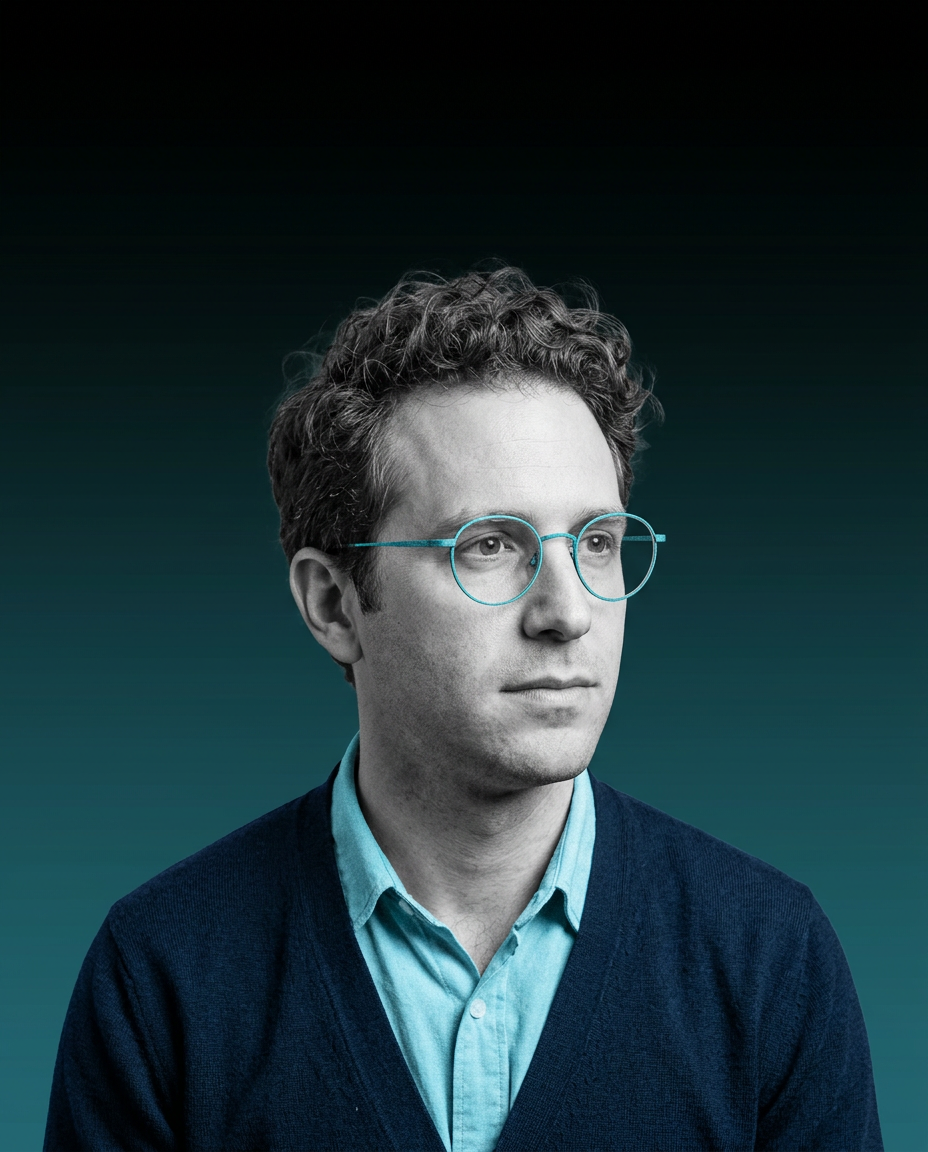
Luigi Mangione admitted in federal court Friday that he shot and killed UnitedHealthcare CEO Brian Thompson, pleading guilty to two stalking charges that carry a maximum sentence of life in prison.
Luigi Mangione admitted in federal court Friday that he shot and killed UnitedHealthcare CEO Brian Thompson, pleading guilty to two stalking charges that carry a maximum sentence of life in prison.

Luigi Mangione pleaded guilty Friday to two federal stalking charges in the December 2024 killing of UnitedHealthcare CEO Brian Thompson, admitting he shot the executive outside a Midtown Manhattan hotel and facing a maximum sentence of life in prison.
"Mr. Mangione has accepted full responsibility for the death of Brian Thompson," Karen Friedman Agnifilo, Mangione's defense attorney, said outside the courthouse, arguing her client should not face two prosecutions over a "single tragic event."
Mangione, 28, entered the plea before Judge Margaret Garnett in Manhattan federal court, admitting he used a 3D-printed gun with a silencer to shoot Thompson, 50, on Dec. 4, 2024. Prosecutors recommended a sentence of 24 to 30 years, though Garnett retains discretion to impose up to life. Sentencing is set for Dec. 18, and Mangione must serve at least 85 percent of any sentence under federal rules.
The plea triggers a double jeopardy motion in Mangione's separate state case, where he faces second-degree murder charges and a trial scheduled to begin Sept. 8. If the state charges are dismissed, the federal plea would resolve the entire prosecution; if not, Mangione could face consecutive sentences across both jurisdictions.
Mangione's defense filed a motion Friday in state court seeking dismissal of the state charges under New York's double jeopardy statute, which bars prosecution for the same offense after a conviction in another jurisdiction. Manhattan District Attorney Alvin Bragg's office said it is "prepared to litigate the defense motions" and remains committed to pursuing a trial conviction.
Legal experts are split on the outcome. Rich Schoenstein, a legal analyst, said the double jeopardy argument is "open and complicated and subject to debate" because the federal stalking charges involve interstate conduct, while the state charges include second-degree murder, weapons possession, and forged instrument counts. The weapons and forged instrument charges would not be resolved by the federal plea, he noted.
Thompson's family, seated in the front row of the courtroom, released a statement calling the plea "an important step toward justice." His mother glared at Mangione as he entered the courtroom in tan prison clothing with shackled feet.
Mangione told the court he had endured years of severe pain from a broken back and navigated the health insurance system before deciding to target Thompson. He said he learned about UnitedHealth Group's annual investor conference, posed as an investor to obtain details, and traveled to New York with the gun, silencer, and magazine "with the intent to shoot Brian Thompson."
Prosecutors detailed evidence including surveillance video of the shooting, Mangione's flight on a bicycle, his arrest at a McDonald's in Altoona, Pennsylvania, five days later, and DNA found at the crime scene. Shell casings recovered at the scene bore the words "delay," "deny," and "depose" — echoing a phrase used to describe how insurers avoid paying claims.
The killing set off a national debate over the health insurance industry, with Mangione simultaneously condemned as a violent extremist and celebrated by some as a symbol of frustration with insurers. U.S. Attorney Jamie McDonald rejected any glorification: "There can be no celebrity in assassination." NYPD Commissioner Jessica Tisch echoed that sentiment, saying "violence is not a cause, murder is not a message, and a killer is certainly not a hero."
Mangione, an Ivy League graduate from a wealthy Maryland family, was never a UnitedHealthcare customer, according to police and the company. The federal charges that could have carried the death penalty were dismissed earlier this year, and federal prosecutors declined to appeal.
The state trial, if it proceeds, would begin with jury selection Sept. 8. Mangione's defense has also indicated it will assert a psychiatric defense in the state case.
For the healthcare sector, the resolution of the federal case closes a chapter that forced insurers to reassess executive security and public engagement. UnitedHealth Group has faced heightened scrutiny over claims practices since the killing, and the "delay, deny, depose" language found on the ammunition became a rallying cry in public discourse about prior authorization and claims denial rates across the industry.
This article is for informational purposes only and does not constitute investment advice.
