

Meta sold 7 million smartglasses in 2025, but a wave of bans, celebrity pushback, and privacy lawsuits threatens to repeat the Google Glass disaster at mainstream scale.
Meta sold 7 million smartglasses in 2025, but a wave of bans, celebrity pushback, and privacy lawsuits threatens to repeat the Google Glass disaster at mainstream scale.
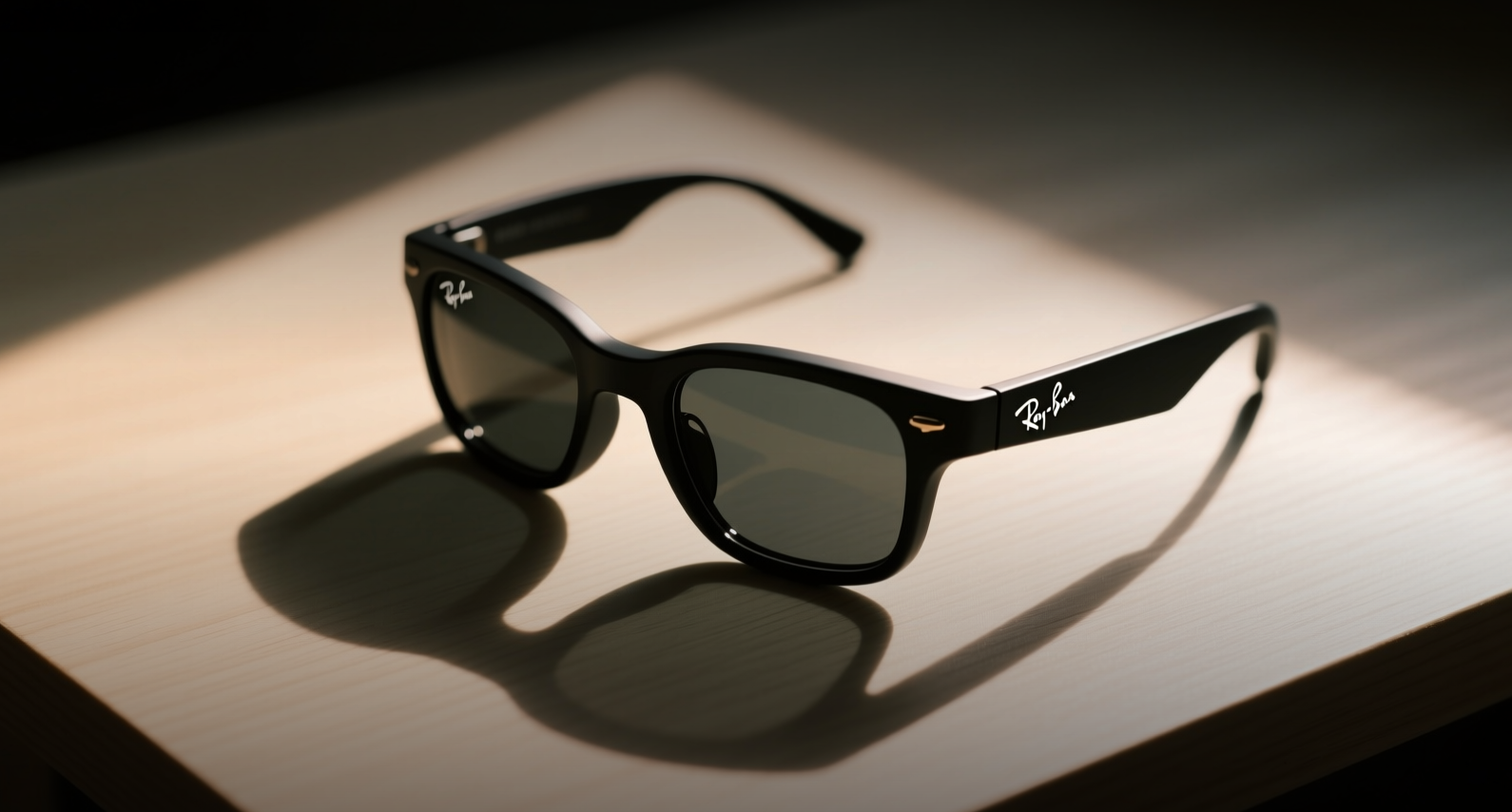
Meta's push to sell 7 million AI-enabled smartglasses in 2025 has triggered a privacy backlash that now includes courtroom bans, a class-action lawsuit, and opposition from more than 70 civil rights groups — threatening the company's bet that glasses will replace smartphones.
"The principle here is quite simple: Your glasses should not know my name," Cody Venzke, a senior staff attorney at the American Civil Liberties Union, said in a statement opposing Meta's planned NameTag facial recognition feature.
New York state banned smartglasses from all 1,240 courthouses starting July 20. A class-action lawsuit filed in March by plaintiffs Gina Bartone and Mateo Canu accuses Meta and Luxottica of routing captured footage to Kenyan subcontractors without user consent. The UK's Information Commissioner's Office has opened its own inquiry, according to the BBC. Meta's planned NameTag feature — which would let wearers identify strangers by matching faces against the company's databases — drew a letter from more than 70 organizations including the ACLU, the Electronic Frontier Foundation, and domestic violence advocacy groups.
Meta Chief Executive Mark Zuckerberg has described smartglasses as the successor to the smartphone, telling Complex that "in five years or whatever, all of the flip phones were going to be smartphones, and that's basically how I feel about glasses today." The company sold 7 million pairs in 2025 across three price tiers — $499 Oakley sports glasses, $379 Meta Ray-Bans, and $299 non-branded frames — and plans to release a next-generation model at its September developer conference. If privacy concerns slow adoption, Meta's broader strategy to diversify beyond advertising revenue faces a material headwind.
The backlash extends beyond regulators. Pop singer Lorde told a concert audience "f*ck the glasses," lamenting the difficulty of distinguishing smartglasses from ordinary eyewear. Tyler the Creator called users "real weirdos" on Instagram. The social stigma — captured in the viral term "pervert glasses" — echoes the "glasshole" label that helped kill Google Glass in 2013. Meta has tried to counter the narrative through celebrity partnerships, including a Kylie Jenner-designed edition called the Starfire Kylie Edition, but the cultural headwinds are building faster than the company's marketing push.
The NameTag Flashpoint
Meta's most controversial feature, NameTag, would allow wearers to say "remember this person" and have the glasses identify them on subsequent encounters. Meta Chief Technology Officer Andrew Bosworth said on a podcast that the data would be encrypted locally and not stored in a central database. The company has not shipped the feature and says no final decision has been made. Emma Pickering of UK charity Refuge warned that giving wearers identity access without consent "threatens the safety of all women and girls in public."
Meta is also exploring an always-on ambient capture feature that would record audio and video without activating the white recording light, according to people familiar with the project. The company said it is developing "privacy-protective technologies" designed to help users throughout the day without capturing photos and videos like a traditional camera. A separate patent application describes a system that would record a user throughout the day to assess mood and create customized workout plans, logging interactions such as "user laughs with friend at dinner at 5:15 p.m."
The Investment Stakes
Meta shares trade at roughly 23 times forward earnings, with the smartglasses business still a fraction of the company's $160 billion-plus annual revenue. But the strategic bet is large: Zuckerberg sees wearables as the next computing platform, and the company has invested billions in augmented reality research through its Reality Labs division, which lost $17.7 billion in 2024. Apple is reportedly developing its own smartglasses, while Google and Samsung are collaborating on a rival product, raising the competitive stakes. If privacy regulation fragments the US market — with state-level bans and federal scrutiny — Meta's first-mover advantage could erode before the category reaches mass adoption.
This article is for informational purposes only and does not constitute investment advice.
