

Nasdaq 100 futures fell 200 points Monday as investors braced for Nvidia's earnings, new Iran sanctions and Fed Chair Kevin Warsh's Jackson Hole address.
Nasdaq 100 futures fell 200 points Monday as investors braced for Nvidia's earnings, new Iran sanctions and Fed Chair Kevin Warsh's Jackson Hole address.
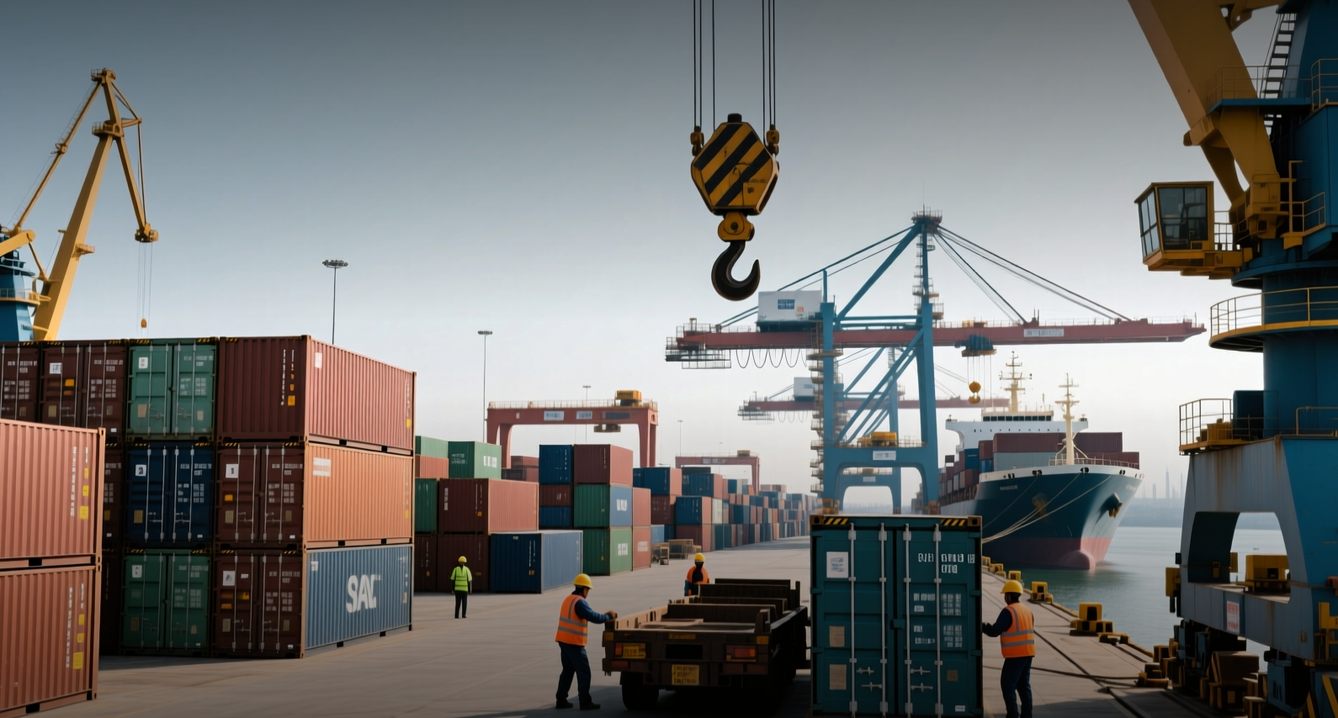
Nasdaq 100 futures fell 0.6%, or about 200 points, as Nvidia earnings, Iran sanctions and Jackson Hole set up a critical week for U.S. equities.
"Stellar results may not guarantee a positive reaction," said Ipek Ozkardeskaya, senior analyst at Swissquote, noting that expectations for Nvidia are already elevated.
S&P 500 futures slipped 0.2% and Dow futures hovered near flat, with the divergence pointing to concentrated technology pressure rather than broad-based selling. Nvidia reports fiscal second-quarter results Wednesday at approximately 4:20 p.m. EDT, with consensus revenue near $92 billion — nearly double year-ago levels. Wall Street's 62 analysts covering the stock maintain a Strong Buy consensus with an average price target of $304.73, according to StockAnalysis data.
The Nasdaq Composite lost 2.05% last week to close at 26,180.46, snapping a three-week winning streak, while the S&P 500 fell 1.43% to 7,674.37 and the Dow declined 0.85% to 53,277.01. Health care, materials and financials led Friday's advance, while energy and utilities finished lower. The 10-year Treasury yield hovered near 4.72% Monday, keeping discount-rate pressure on long-duration growth shares.
Nvidia's report will test whether AI infrastructure spending can sustain elevated technology valuations. Bloomberg News reported that rising memory chip prices could push server costs up more than 15% for systems shipping early next year, including servers equipped with the next-generation Vera Rubin and Grace Blackwell chips. Server manufacturers supplying Microsoft, Alphabet's Google and Oracle have warned customers about the increases, raising questions about how long hyperscalers can maintain the current AI investment pace without pressuring profitability.
Treasury Secretary Scott Bessent is scheduled to hold a press conference at 2 p.m. EDT Monday, having described the sanctions campaign against Iran as entering the "endgame" and warning that countries supporting Tehran risk becoming "global pariahs." Iranian officials have threatened to halt oil exports if Washington continues escalating economic pressure.
Brent crude futures fell 1.5% to $93.16 a barrel Monday, while West Texas Intermediate declined 1.6% to $85.70, as traders locked in gains after two consecutive weekly advances of more than 5%. Around one-fifth of global oil supplies transit the Strait of Hormuz, making any prolonged disruption a potential inflation shock that could keep interest rates elevated. The dollar index rose 0.21% to 99.01, while gold gained 0.89% to $4,644.93 per ounce.
Warsh's speech Friday at the Jackson Hole Economic Policy Symposium will provide the week's final major event. Markets are pricing a 36.9% probability of a rate hike at the Fed's September meeting, according to the CME FedWatch tool. A hawkish message could intensify pressure on high-valuation technology stocks, while a more accommodative tone may support equities.
UBS Global Wealth Management maintained its "attractive" rating on U.S. equities and lifted its year-end S&P 500 target to 8,100, implying roughly 6% upside from Thursday's close. Mohamed El-Erian framed the current environment as a "race between the promise of even bigger earnings from productivity-boosting tech innovation on the one hand and the headwinds from funding needs and unresolved societal issues on the other."
July PCE inflation data and the second-quarter GDP revision land Wednesday at 8:30 a.m. EDT, ahead of Nvidia's report later that day.
This article is for informational purposes only and does not constitute investment advice.
