

Key Takeaways: US travelers can now scan WeChat Pay QR codes with PayPal at tens of millions of Chinese merchants, no local bank account needed.
Key Takeaways: US travelers can now scan WeChat Pay QR codes with PayPal at tens of millions of Chinese merchants, no local bank account needed.
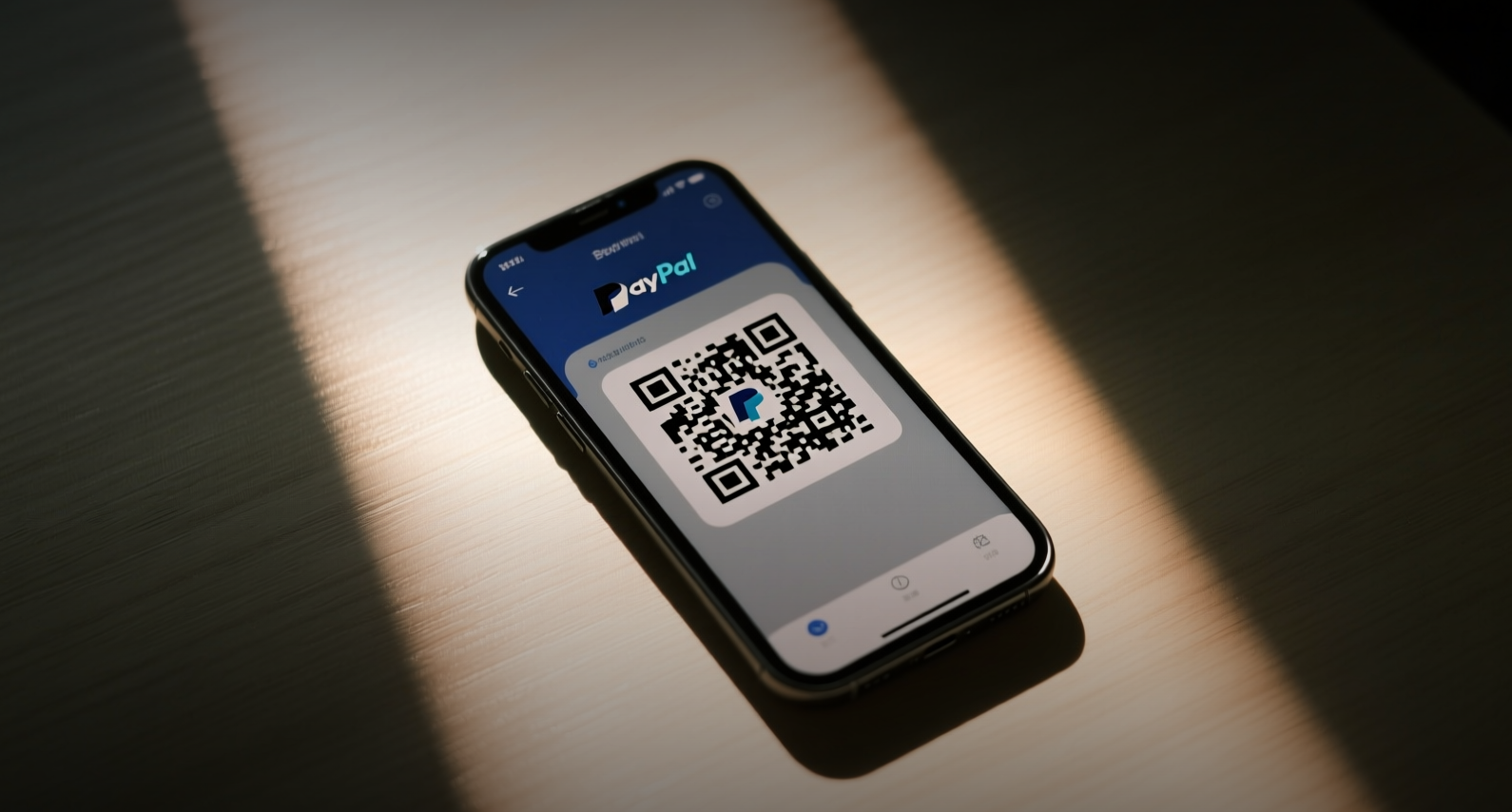
PayPal Holdings has plugged its cross-border network into Tencent's WeChat Pay QR grid, giving US travelers access to tens of millions of mainland China merchants without a local bank account or Chinese-language app. The integration, effective immediately, routes transactions through TenPay Global, Tencent's cross-border arm, and settles in the traveler's home currency while merchants receive renminbi.
"We are committed to ensuring that international visitors can enjoy frictionless payments," Otto Williams, senior vice-president of PayPal World, said.
The tie-up is the most prominent result of a unified cross-border QR gateway developed under People's Bank of China guidance and led by the Payment & Clearing Association of China, which went into trial operation in July 2025, according to Dong Ximiao, chief economist at Merchants Union Consumer Finance. The infrastructure replaced a fragmented model in which foreign wallets negotiated separate technical connections with domestic platforms, shifting to a single-point access architecture that lowers integration costs.
The move lands as China pushes to revive inbound tourism ahead of the APEC Economic Leaders' Meeting in Shenzhen in November 2026. Weixin Pay data shows foreign traveler transactions rose nearly 80 percent year on year from January to April, and PayPal's entry could accelerate that trend by removing the onboarding friction that has kept some US visitors reliant on cash.
For travelers, the process mirrors the QR workflow locals use daily. A US visitor opens the PayPal app, scans a merchant's WeChat Pay QR code or displays a personal PayPal QR code for the merchant to scan, and the transaction is routed through TenPay Global. The merchant receives yuan; the traveler is debited in dollars from their PayPal balance or linked Visa, Mastercard, or American Express card. No Chinese mobile number, identity verification, or domestic bank account is required.
The partnership extends a model Tencent pioneered in 2018 with WeChat Pay HK, which let Hong Kong residents pay at mainland merchants with their home wallet. Since then, 36 international wallets have been integrated. PayPal is the first major US wallet to join through the unified gateway, which replaced a system where each foreign wallet needed separate technical connections with domestic platforms.
For merchants, nothing changes. The same WeChat Pay QR codes already on countertops and printed stickers at restaurants, convenience stores, and transport providers now accept PayPal-linked payments. WeChat Pay and Alipay together account for the overwhelming majority of mobile payments in mainland China, and small vendors in second- and third-tier cities, where card acceptance remains patchy but QR adoption is near universal, stand to benefit most from the expanded foreign customer base.
Alipay, WeChat Pay's main rival, has pursued a similar strategy by opening its platform to foreign bank cards and select international wallets. But PayPal's integration through the unified gateway represents a different approach: instead of requiring travelers to onboard onto a Chinese super-app, it lets them stay within a familiar Western wallet while accessing the same QR infrastructure. That distinction could matter for travelers who are reluctant to download Chinese apps for a short trip.
Fee waivers and multilingual support target first-time visitors
Weixin Pay is waiving international card processing fees for 90 consecutive days from a first-time user's initial transaction, covering daily spending up to 1,000 yuan ($146). In-app payment guidance now spans 16 languages, including English, Korean, Thai, Russian, Spanish, and Arabic, covering all major APEC economies. Tencent has also set up offline service desks at airports, ports of entry, hotels, and commercial districts, backed by 24/7 multilingual online support.
Tax refunds and the APEC 2026 runway
TenPay Global has partnered with domestic tax refund institutions to credit departure tax refunds directly to travelers' home e-wallets within seconds, starting with WeChat Pay HK in Shenzhen. The service is set to expand nationwide and to more APEC economies. Daniel Hong, vice-president of Tencent Financial Technology, said the upgrade completes a smooth end-to-end payments journey from first QR scan on arrival to refund at departure.
The APEC calendar frames the timing. Tencent said it is continuing to onboard e-wallets from APEC economies, and its processing fee waiver runs through the end of 2026, spanning the full APEC host year. Hong said Tencent aims to build Shenzhen's Qianhai area into a showcase for smart payment infrastructure.
PayPal shares could see transaction volume growth as US travelers gain access to China's QR-first retail economy. Tencent, which reported 2Q26 net profit flat year on year at over RMB56 billion with capex near RMB52.8 billion, saw shares fall 3.6 percent on the day. The partnership strengthens TenPay Global's international reach and positions WeChat Pay's merchant network as a global standard, potentially pressuring Alipay and other cross-border payment providers to accelerate their own interoperability efforts. For PayPal, the China connection adds a high-frequency use case to its wallet at a time when the company is competing with Apple Pay and Google Pay for international travel spend.
This article is for informational purposes only and does not constitute investment advice.
