


Pony.ai and Uber will deploy more than 2,000 robotaxis across five European cities, one of the largest autonomous ride-hailing rollouts outside China and the U.S.
Pony.ai and Uber will deploy more than 2,000 robotaxis across five European cities, one of the largest autonomous ride-hailing rollouts outside China and the U.S.
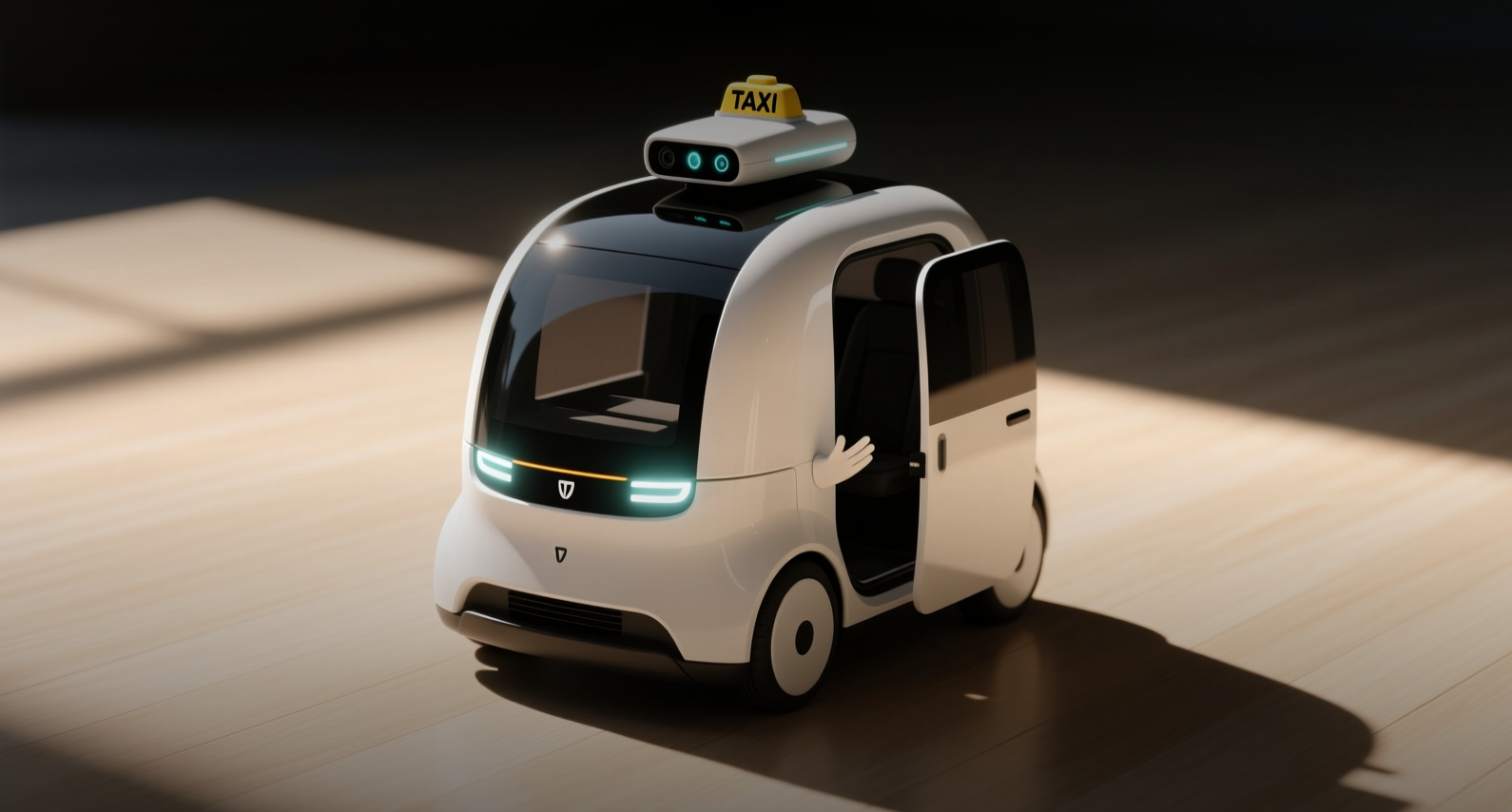
More than 2,000 Pony.ai robotaxis will roll out across five European cities through an expanded Uber partnership, marking one of the largest autonomous ride-hailing deployments planned for the continent.
"This expanded agreement marks an important new phase in the partnership between Pony.ai and Uber," Dr. James Peng, founder and CEO of Pony.ai, said. "By combining Pony.ai's proven autonomous driving technology and operational know-how with Uber's global mobility platform and extensive market reach, we aim to build sustained commercial operations at scale across Europe and beyond."
The agreement extends the existing commercial service in Zagreb — Europe's first robotaxi operation, launched in 2026 with Croatian mobility firm Verne — to four additional European cities, with the Middle East also included in the expansion. Under the joint-deployment model, Pony.ai supplies its Level 4 autonomous driving technology and operational expertise, while Uber provides booking, payment, and customer service through its global mobility platform. Local fleet partners selected for each market will handle day-to-day operations, with vehicle funding and ownership allocated differently depending on the market.
Pony.ai operates paid, fully driverless robotaxi services in China's four tier-one cities, where it has achieved city-wide breakeven unit economics in multiple markets. That track record gives the partnership a commercial foundation that rivals Waymo's U.S. operations and pressures Tesla, which has yet to launch a commercial robotaxi service in any market.
Zagreb to four more cities
The expanded agreement formalizes a three-part operating structure that Pony.ai calls its joint-deployment model: L4 autonomous driving technology, a leading mobility platform, and day-to-day fleet operations. Partners can take on more than one role, and vehicle funding and ownership can sit with different entities depending on the market. In Zagreb, Verne serves as the local fleet owner and operator, with Pony.ai providing the technology and Uber the platform.
The model gives Pony.ai a path to commercial scale without bearing the full capital cost of fleet ownership in every market. It also lets Uber extend its reach into autonomous mobility without building its own self-driving stack, a strategy the company has pursued through partnerships with Waymo in the U.S. and Wayve in London.
"The next chapter for autonomous mobility is about moving from individual launches to repeatable commercial scale," Sarfraz Maredia, global head of autonomous mobility and delivery at Uber, said. "Together with Pony.ai, we're combining advanced autonomous technology with Uber's hybrid platform, on-the-ground experience, and operational excellence, to build a model that can quickly and reliably expand across cities."
Waymo and Tesla face a faster rival
Europe has lagged the U.S. and China in commercial robotaxi deployment, with regulatory fragmentation across member states slowing approvals. Pony.ai's expansion through Uber's platform could accelerate adoption by giving regulators a proven operator with existing safety data from Chinese deployments.
The 2,000-vehicle target across five cities would make Pony.ai the largest robotaxi operator in Europe by fleet size, surpassing Waymo's current European footprint. Waymo, which operates in the U.S. and has tested in international markets, has not announced a comparable European expansion. Tesla's robotaxi ambitions remain in development, with the company yet to launch a commercial service in any market.
The partnership also carries strategic weight for Uber, which has been building an autonomous mobility portfolio across multiple technology partners. Beyond Pony.ai, Uber has partnered with Waymo for U.S. deployments and Wayve for London operations, creating a multi-vendor approach that reduces dependence on any single autonomous driving stack. For Pony.ai, the Uber relationship provides access to a global rider base without the cost of building its own consumer platform in each new market.
For investors, the partnership shows that autonomous ride-hailing is moving from pilot programs to repeatable commercial operations. Pony.ai trades on NASDAQ under PONY and on the Hong Kong Stock Exchange under 2026. Uber's stock trades on NYSE under UBER. The expanded partnership could support both companies' growth narratives as they compete for the autonomous mobility market, with additional rollout details expected to be announced in phases.
This article is for informational purposes only and does not constitute investment advice.
