
QatarEnergy's extended force majeure on LNG deliveries to Italy's Edison removes five more cargoes from European supply as Strait of Hormuz traffic remains severely restricted.
QatarEnergy's extended force majeure on LNG deliveries to Italy's Edison removes five more cargoes from European supply as Strait of Hormuz traffic remains severely restricted.
QatarEnergy's extended force majeure on LNG deliveries to Italy's Edison removes five more cargoes from European supply as Strait of Hormuz traffic remains severely restricted.
QatarEnergy extended its force majeure on LNG deliveries to Italian utility Edison until early November, cutting five more cargoes from a market already facing a 96 percent collapse in Qatari exports.
"We will continue to monitor the situation and provide further updates as additional information becomes available," Edison said on Friday, confirming the extended suspension previously communicated by sources. The Gulf supplier stopped supplying LNG to Edison in April after Iranian attacks hit energy facilities in Qatar.
QatarEnergy first halted production at its Ras Laffan hub on March 2, declaring force majeure two days later. The attacks removed 12.8 million metric tons per year of LNG capacity — roughly 17 percent of Qatar's exports — with repairs estimated to take three to five years, President and CEO Saad al-Kaabi said. The lost capacity represents about $20 billion in annual revenue. In the six months since the war began, Qatar has shipped only 18 LNG cargoes compared with 509 during the same period a year earlier, a 96 percent collapse in exports, according to Reuters. The plunge has cost Qatar about $24 billion in lost LNG export revenue, equivalent to roughly five months of the country's 2025 income.
The disruption is tightening European gas markets, with front-month TTF futures rising nearly 2 percent to €69.4 per megawatt-hour on Friday. Edison's contract with QatarEnergy covers 6.4 billion cubic meters per year — about 10 percent of Italy's total consumption — and runs through 2034, leaving the utility exposed to continued supply uncertainty as winter approaches.
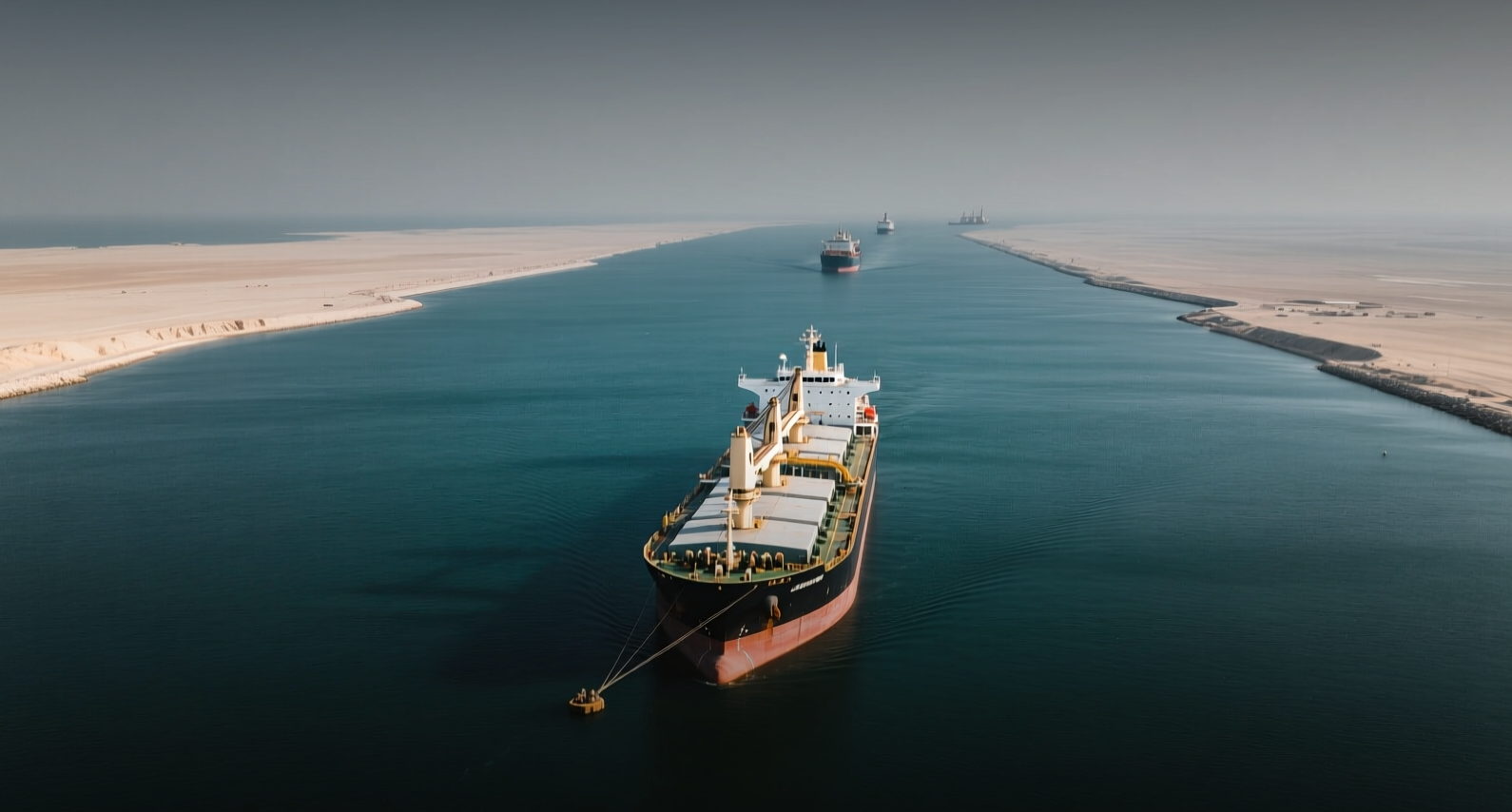
About 93 percent of Qatar's LNG exports pass through the Strait of Hormuz, leaving the country without an alternative maritime route from its existing liquefaction facilities. Shipping traffic through the waterway remains severely depressed, with only 10 vessels crossing on Wednesday, Kpler data shows. The force majeure extends beyond Edison: QatarEnergy notified Pakistani buyers this week that shipment cancellations will continue through October, and the suspension for supplies to Bangladesh has been extended beyond the end of September. Two sources familiar with the situation said additional European traders had begun receiving similar notices.
The last time Qatari LNG supply to Europe was disrupted at this scale was during the 2022 Russia-Ukraine crisis, when European buyers scrambled to replace Russian pipeline gas. But unlike that episode — where Qatar redirected cargoes from Asia to Europe — the current disruption leaves no flexibility because the production itself is offline. European buyers cannot simply outbid Asian competitors for cargoes that do not exist. This structural difference means the current episode carries a higher risk premium than the 2022 crisis, when supply was merely re-routed rather than eliminated.
The prolonged disruption is adding pressure to European gas markets, which remain exposed to Middle East developments as the largely closed waterway delays Qatari shipments. Front-month natural gas futures at the Dutch TTF hub rose nearly 2 percent to €69.4 per megawatt-hour on Friday, while stronger cooling demand during a summer heat wave is slowing the pace at which European countries replenish their gas inventories.
Edison, a unit of French energy group EDF, holds a long-term contract with QatarEnergy for the supply of 6.4 billion cubic meters of natural gas per year to Italy — around 10 percent of the country's total consumption. The contract, in force since 2009, has a total duration of 25 years. Edison's exposure is significant: the utility must now source replacement volumes from spot markets at elevated prices or negotiate alternative long-term supply agreements.
Qatar is one of the world's most important LNG suppliers, with exports exceeding 112 billion cubic meters in 2025, making it the second-largest LNG exporter globally, according to the International Energy Agency. The extended disruption means European utilities reliant on Qatari supply face continued uncertainty through the winter heating season, with no clear timeline for when Ras Laffan production can be restored. If repairs extend beyond the current estimates, European gas prices could remain elevated well into 2027, with TTF futures potentially testing higher levels as storage refill competition intensifies ahead of the next heating season.
This article is for informational purposes only and does not constitute investment advice.
