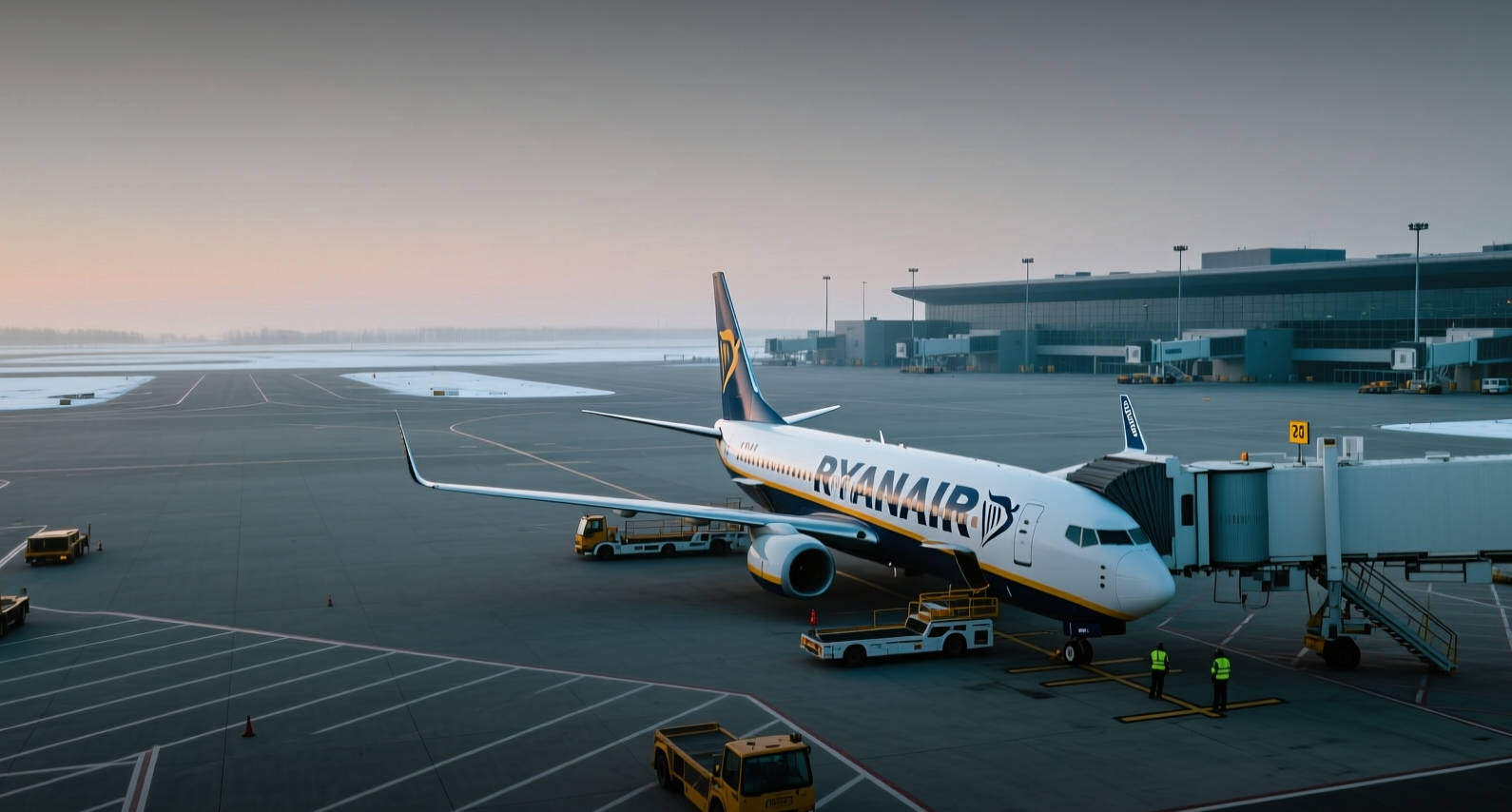
Ryanair Holdings cut its fiscal 2027 traffic target to 214 million passengers to limit exposure to unhedged winter fuel costs near $140 a barrel.
"If high oil prices continue through to summer 2027, Ryanair believes short-haul airfares in Europe will increase materially to reflect higher oil prices, as some less well-hedged competitors will struggle to maintain capacity or even survive this coming winter season," the Dublin-based carrier said in a statement.
One of Europe's best-hedged airlines, Ryanair has secured about 80 percent of its jet fuel needs through March 2027 at roughly $67 a barrel, against a spot price it now pegs near $140. The company trimmed its target from 216 million passengers and will keep winter capacity broadly flat year-on-year, a move it said could cut winter losses by €70 million to €100 million. In July it removed five aircraft from its Charleroi base in Belgium and cut two million seats from its Brussels schedule for winter 2026 and summer 2027.
Ryanair said profit for the year would fall below last year's record level, though it was too early to provide meaningful guidance for profit after tax. The jet fuel spike, driven by conflict in the Middle East, is reshaping European aviation as carriers hold capacity flat or cut it ahead of the typically loss-making winter season. Ryanair shares rose in Dublin trade after the announcement, having fallen about 20 percent since the start of the war in Iran.
August traffic grew 6 percent to 22.2 million passengers from 21 million a year earlier, with load factor steady at 96 percent across more than 120,500 flights. The airline expects traffic from November to March to be broadly flat and forecasts growth of more than 5 percent between April and October, with second-quarter fares down only slightly year-on-year.
The capacity discipline shows management prioritizing margins over volume as fuel costs bite, and the jet fuel crisis is introducing a fresh selection criterion into the European market. Investors will watch whether oil prices hold near current levels into the winter and whether less-hedged budget rivals such as Wizz Air and easyJet are forced to trim schedules, which would tighten supply and support fares into summer 2027.
This article is for informational purposes only and does not constitute investment advice.