

Schaeffer's Investment Research issued a buy-the-dip recommendation on Intel stock, which fell 11% this week to $97.69 ahead of its July 23 Q2 earnings report.
Schaeffer's Investment Research issued a buy-the-dip recommendation on Intel stock, which fell 11% this week to $97.69 ahead of its July 23 Q2 earnings report.
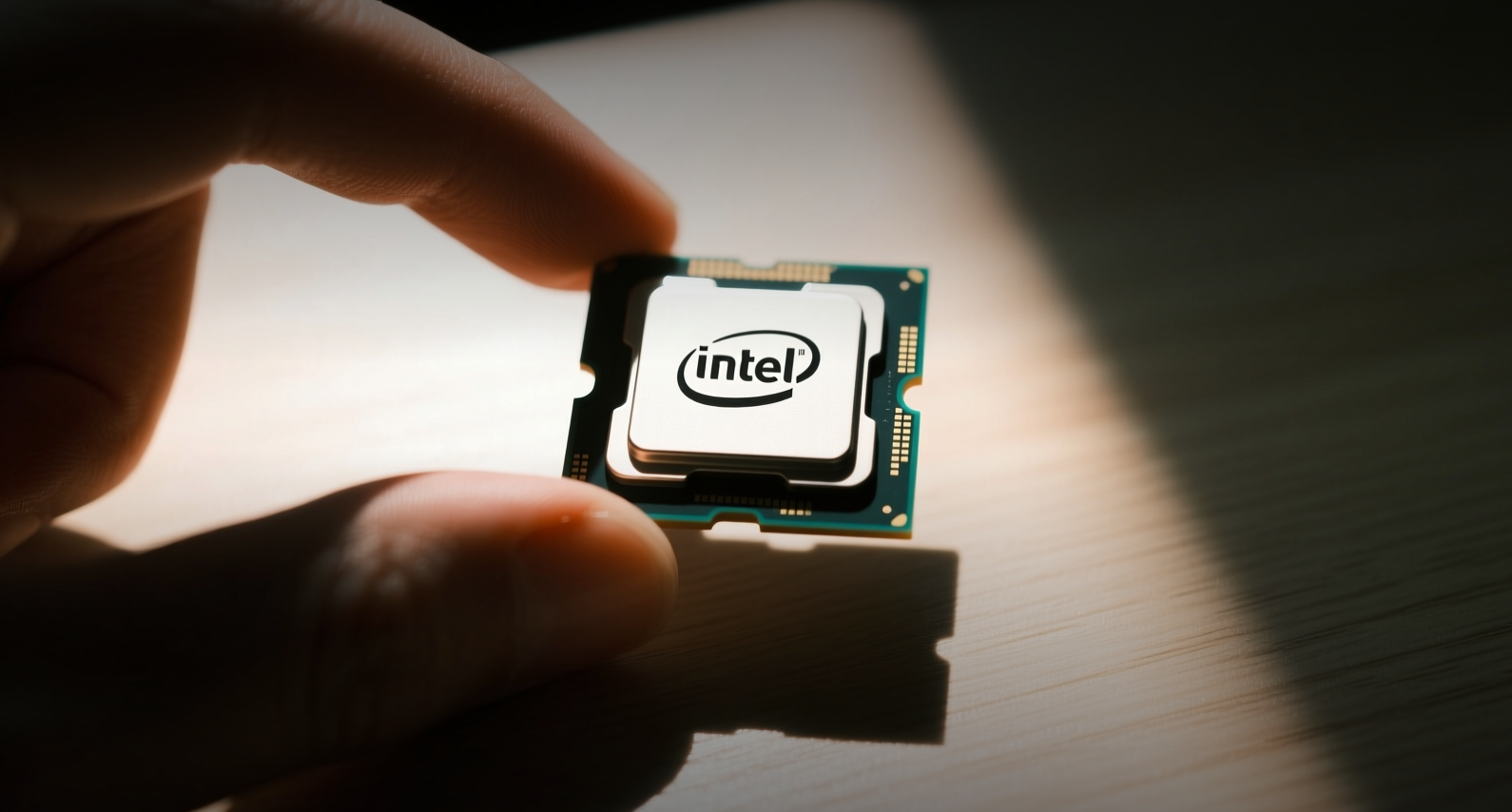
Schaeffer's Investment Research recommended buying Intel Corp. shares on the dip, as the stock fell 11% this week to $97.69.
"The pullback creates an attractive entry point for subscribers ahead of Intel's Q2 earnings report on July 23," the firm's Weekend Trader service said in a note Sunday.
Intel has dropped 19% over the past month and 11% this week, though it remains up 158% year to date and 328% over the past year. The stock is testing the $100 level, a psychologically important support zone, and bouncing from its 50-day moving average, according to technical analysis. Options markets are pricing an 11% swing in either direction following the July 23 earnings report, consistent with Intel's history of dramatic post-earnings moves — the April 2026 report triggered a 27% surge, while August 2024 saw a 32% collapse.
The recommendation comes as Intel's turnaround under Chief Executive Officer Lip-Bu Tan gains traction. The company's 18A process yields have reached 85%, closing in on Taiwan Semiconductor Manufacturing Co.'s N2 at 90%, while data center revenue rose 22% year over year to $5.1 billion in the first quarter. The U.S. government converted $9 billion in federal grants into a 10% equity stake, making it Intel's largest shareholder. Competitors including Nvidia Corp. and SoftBank Group Corp. have invested $5 billion and $2 billion, respectively, effectively funding the turnaround.
Intel's foundry pipeline now includes design wins from Apple Inc., Nvidia, Advanced Micro Devices Inc., Marvell Technology Inc., Microsoft Corp., Micron Technology Inc., OpenAI, and Amazon.com Inc.'s AWS Trainium 3. The company also announced a 5 billion euro ($5.7 billion) investment in its Ireland facility to boost production of Xeon 6 processors. Mizuho analysts said Intel remains supply constrained, with server CPU tight through 2027 and some customers signing long-term agreements providing demand visibility into 2028.
The broader chip sector received a tailwind this week after June core consumer prices rose 2.6% year over year, below the 2.9% forecast, reopening the door to a friendlier interest rate environment. IBM Corp.'s warning that clients shifted enterprise budgets toward AI hardware also confirmed that demand for semiconductor infrastructure remains strong. The combination of a soft inflation print and a fundamental read-through from IBM provided a strong setup for chip stocks.
The Schaeffer's recommendation suggests the recent pullback is viewed as a buying opportunity ahead of a potentially volatile earnings report. Investors will watch the July 23 report for updates on server CPU pricing, which Intel plans to raise 6% to 15% in the third quarter, and GPU foundry yields.
This article is for informational purposes only and does not constitute investment advice.
