Sequoia Capital is committing $10 billion to a strategy built around artificial intelligence and what it calls reindustrialization, the largest bet in the venture firm's 54-year history and the first major capital move under its new co-stewards, Alfred Lin and Pat Grady.
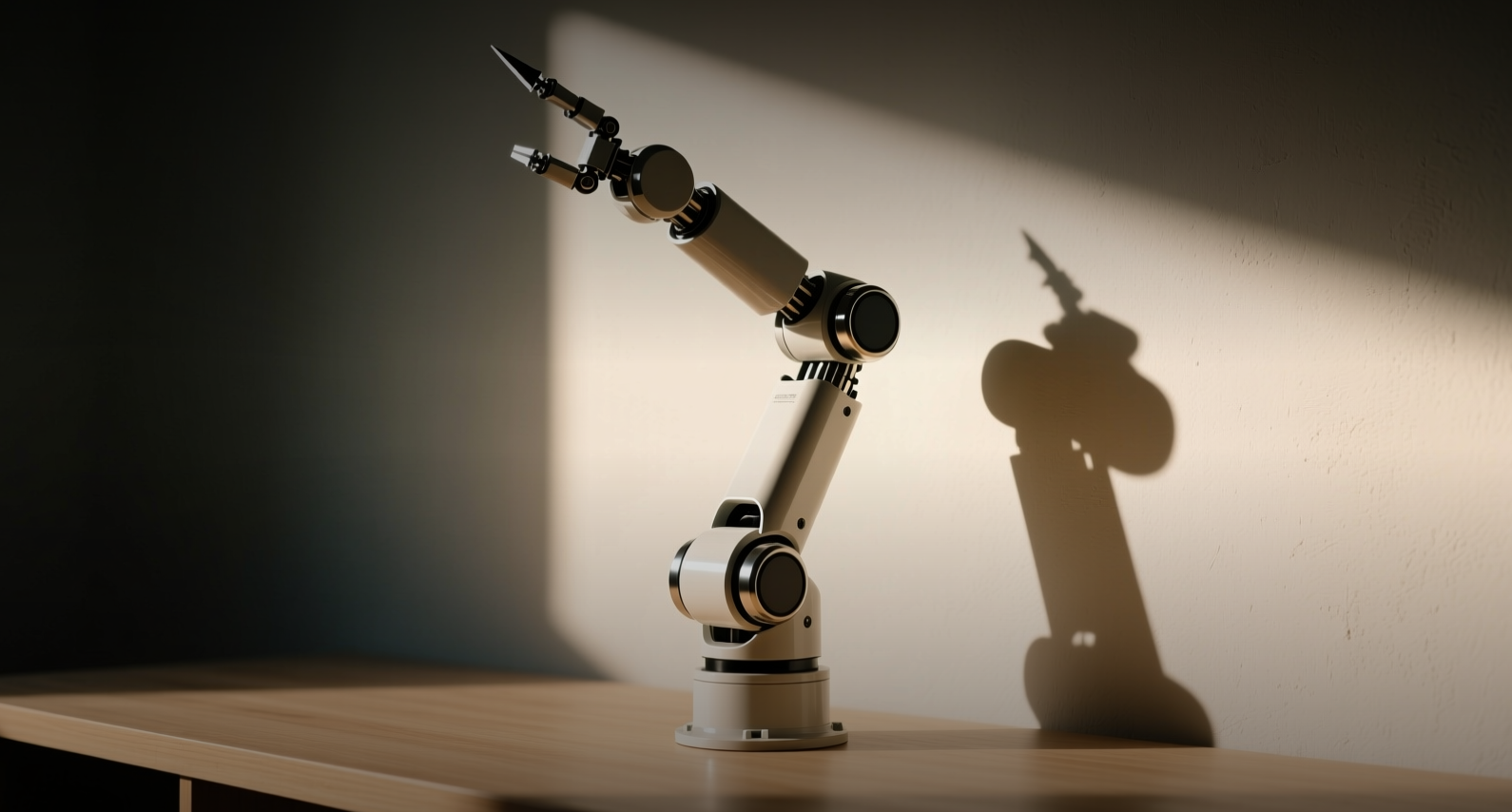
The commitment pairs the familiar race to back AI model makers with a bet on the physical economy the technology will run on — manufacturing, defense, robotics, energy and the reshoring of supply chains. "Models are only as useful as the factories, power plants and machines they can act on," a person familiar with the firm's thinking said. "The next fortunes are made where bits meet atoms."
The plan extends groundwork laid this year. Sequoia raised a $7 billion expansion fund in April, nearly twice the size of its $3.4 billion vehicle closed in 2022, and launched a $950 million early-stage and seed fund in October. The firm managed more than $80 billion in assets by the end of last year. Lin and Grady took over co-leadership in November 2025 after Roelof Botha stepped down.
The centerpiece is a deepened bet on Anthropic, a notable reversal for a firm that had spent years favoring OpenAI and xAI. Lin initially endorsed investing $1 billion in Anthropic, but partners pushed to swing for the fences. Anthropic raised a $65 billion Series H at a $965 billion valuation in June — nearly tripling its $350 billion valuation from a $20 billion round in January — with Sequoia, Altimeter Capital, Dragoneer and Greenoaks leading the investment.
Why Sequoia is betting on atoms
The reindustrialization thesis is already visible across the portfolio and the broader market. Startups are chasing the same themes, from ventures building robots for the Pentagon to companies rethinking domestic defense manufacturing. Critical materials are part of the picture: Mariana Minerals raised a $310 million Series B to mine critical minerals autonomously on US soil, and Sequoia led a $1 billion round for nuclear startup Valar Atomics earlier this month.
The politics of the moment help. Reshoring, defense and energy independence are priorities in Washington, and a fund aligned with them can expect a friendlier reception than one chasing consumer apps. The thesis also doubles as a hedge against AI-bubble worries — if pure software valuations look stretched, backing the factories, chips and power the technology depends on offers exposure to the boom with a more tangible floor.
Sequoia is not alone in the pivot. Founders Fund closed a $6 billion vehicle, Khosla Ventures targeted $5.5 billion, Kleiner Perkins closed $3.5 billion across two funds, and General Catalyst is reportedly seeking about $10 billion. The industry's biggest names increasingly agree on where the next returns will come from.
The risks in going long on atoms
Hardware and heavy industry are capital-intensive and slow, a very different rhythm from the software returns that made Sequoia's name. The firm's decision to hold stakes in OpenAI, xAI and now Anthropic also departs from the traditional venture practice of avoiding direct competitors, a shift from its usual approach to managing conflicts among portfolio companies.
The big question is what $10 billion can accomplish in a market where AI valuations already factor in years of expected growth. Sequoia's new leaders are betting that large investments can still move the needle — and that the next decade's winners will be built where software meets the physical world.
This article is for informational purposes only and does not constitute investment advice.