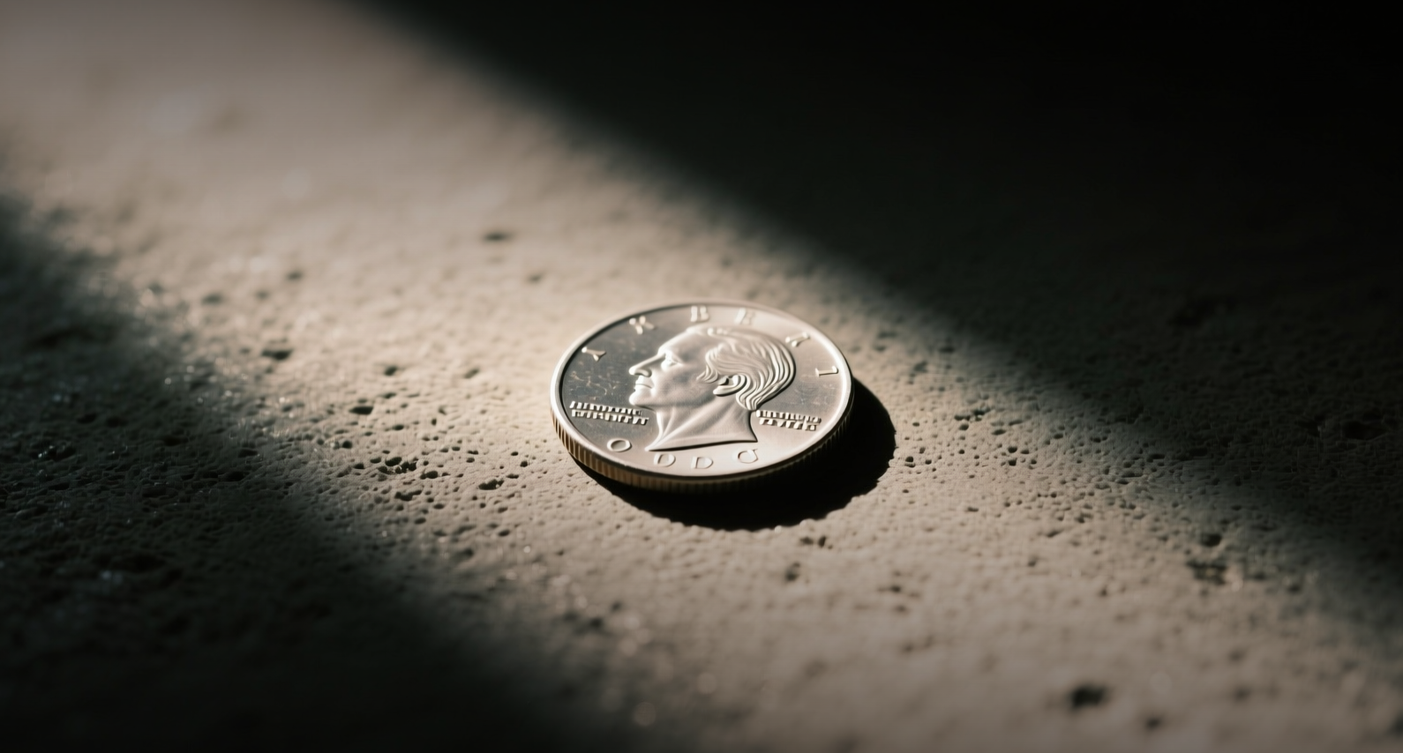
Silver has failed to rally during either Strait of Hormuz closure this year, as the US dollar absorbed the crisis bid that historically flows into precious metals.
Silver declined during both Strait of Hormuz closures in 2026, as the US dollar absorbed safe-haven flows that historically lift precious metals during geopolitical crises.
"The traditional crisis bid into gold and silver has been redirected into the dollar," said James Hyerczyk, a technical analyst and author of two books on market analysis. "The dollar strengthened on each closure, pulling capital away from metals."
The Strait of Hormuz, which carries about a fifth of global oil supply, has closed twice this year amid US-Israeli strikes on Iran and Iranian counterattacks. Ship crossings have dropped to about 30 per day from a pre-war average of 130, according to MarineTraffic and Kpler data. Brent crude closed at $89.22 per barrel, up 1.3%, while US crude settled at $83.23, near a two-month high. The national average for regular gasoline hit $4 per gallon.
Silver's divergence from its historical safe-haven role signals a potential structural shift in crisis-trading dynamics. If the dollar remains the preferred避险 asset during geopolitical shocks, precious metals could face continued headwinds even as supply disruption risks escalate across energy and commodity markets.
Strait Disruptions Reshape Commodity Flows
The broader commodities complex has felt the strain. Dow Inc. reported a 30% year-over-year local price increase in its Packaging & Specialty Plastics division in the second quarter, driven by higher polyethylene prices across all regions. Roughly 18 large-scale PE plants fully or partially shut down early in the conflict, removing more than 9.1 million metric tons of material from global supply, according to Esteban Sagel, principal and CEO at Chemical and Polymer Market Consultants. Polypropylene lost about 3 million metric tons of production.
Ship activity through the strait remains near the low levels observed in early spring, PortWatch data shows. The stop-start recovery from a brief peace in June left stockpiles unmoved and ports congested, said Jim Owen, senior packaging and logistics analyst at Rabobank.
Dollar Dominance Caps Metal Gains
The US dollar's strength during both closures marks a departure from prior Middle East conflicts, when gold and silver typically rallied as investors sought non-sovereign stores of value. Instead, dollar-denominated assets captured the避险 flows, leaving silver to decline even as oil prices surged more than 20% over two weeks.
If the conflict drags on for two weeks or more, Brent could reach $100 per barrel, Hyerczyk said. But for silver, the path depends on whether the dollar's crisis premium persists or eventually rotates back into metals as the situation evolves.
This article is for informational purposes only and does not constitute investment advice.