
SpaceX is turning away Falcon 9 customers beyond 2028 to focus on Starship, a bet that has sent shares down 25% since its June IPO.
SpaceX is turning away Falcon 9 customers beyond 2028 to focus on Starship, a bet that has sent shares down 25% since its June IPO.
SpaceX is turning away Falcon 9 customers beyond 2028 to focus on Starship, a bet that has sent shares down 25% since its June IPO.
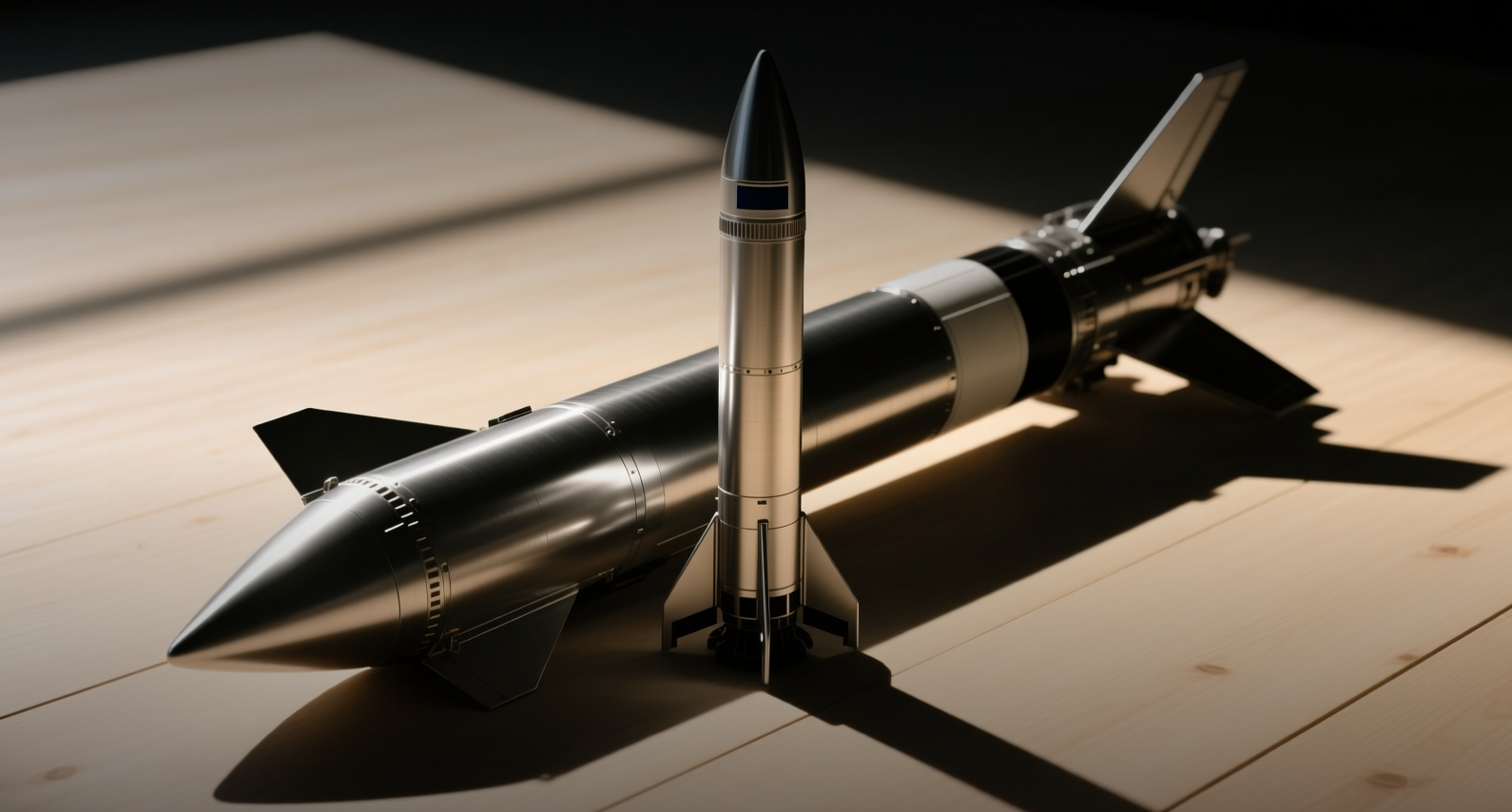
SpaceX has stopped accepting new Falcon 9 launch reservations beyond 2028 and halted rideshare bookings, shifting resources to Starship as the next-generation rocket prepares for its 13th test flight. The move effectively sets an expiration date on the company's most proven revenue stream.
"There will be plenty to analyze from Flight 13, but over time, we expect both progress and setbacks as SpaceX moves toward its goal of launching Starship dozens of times next year, followed by hundreds of times in 2028, and then thousands beyond," Seth Seifman, an analyst at JPMorgan, said in a note to clients.
The company has also stopped building some non-reusable Falcon components, including the upper stage, according to a Bloomberg report. Starship's Friday test aims to deploy 20 Starlink V3 satellites and execute a controlled Indian Ocean splashdown. A previous attempt was scrubbed after multiple engines failed to ignite.
SPCX shares have fallen about 25% since the June 12 IPO, closing Thursday near $118. HSBC initiated coverage with a Hold rating and $115 price target, implying about 3% downside from Thursday's close. The bank cited caution on speculative opportunities such as space-based data centers, Terafab and the lunar economy.
SpaceX's decision to cap Falcon 9 sales creates both opportunity and risk. Falcon 9 launches are priced at roughly $67 million each for dedicated missions, with rideshare seats starting at $1.1 million. By turning away customers, SpaceX is sacrificing near-term revenue for Starship's promise of lower per-kilogram costs and payload capacity exceeding 100 metric tons to orbit.
Competitors including United Launch Alliance, Blue Origin and Rocket Lab could benefit if satellite operators seek alternative providers. Blue Origin's New Glenn has yet to reach orbit, while ULA's Vulcan Centaur remains in early operational stages. None currently match SpaceX's combination of price, reliability and launch cadence — the company completed more than 100 Falcon 9 missions in 2025.
HSBC analysts acknowledged SpaceX's technological leadership but said the stock's current price already reflects optimism about future opportunities. "Even after accounting for an innovation premium, HSBC sees a marginal downside from the stock's current levels," the bank wrote in its initiation note.
The timeline is tight. SpaceX aims to launch Starship dozens of times in 2027, hundreds in 2028 and thousands beyond, according to Seifman. If Starship reaches operational status within two years, the transition from Falcon 9 could be managed without a revenue gap. If delays persist, the company risks a capacity crunch that could push customers to rivals.
For investors, Friday's test flight is the first major catalyst since the IPO. A successful deployment of Starlink V3 satellites and booster recovery would signal operational progress. A failure — following the scrubbed attempt last week — could deepen concerns about Starship's readiness timeline and extend the stock's decline from its $135 IPO price.
This article is for informational purposes only and does not constitute investment advice.
