


STB's decision to resume the $85 billion Union Pacific-Norfolk Southern merger review sets up a high-stakes regulatory battle.
STB's decision to resume the $85 billion Union Pacific-Norfolk Southern merger review sets up a high-stakes regulatory battle.
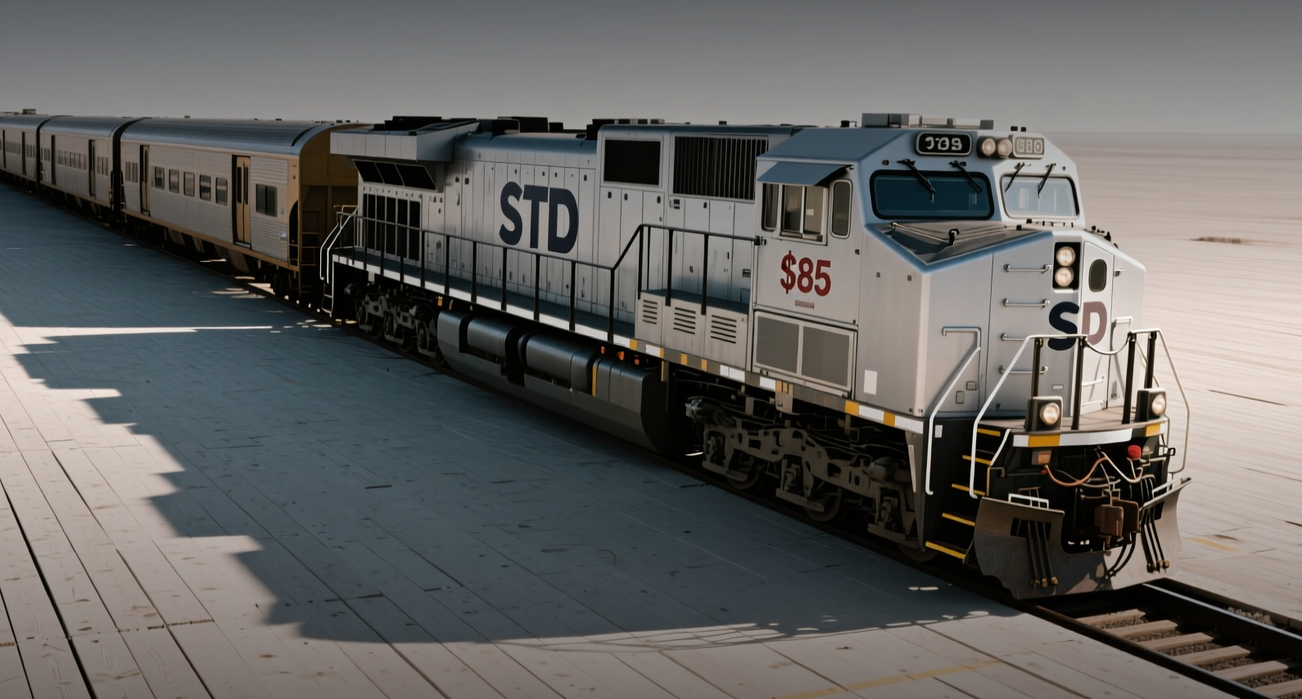
The Surface Transportation Board on Tuesday resumed consideration of Union Pacific's proposed $85 billion merger with Norfolk Southern, advancing the largest U.S. rail consolidation in decades while stressing the move does not indicate approval of the deal.
"The merger would eliminate competitive options for shippers already captive to single railroads, exposing them to higher rates and deteriorating service," said Chris Jahn, chief executive of the American Chemistry Council, one of five shipper groups that filed a motion Aug. 6 asking the STB to deny the transaction.
The combined railroad would span 50,000 miles of track across 43 states and connect more than 100 ports. Union Pacific projects $2.75 billion in annualized cost savings and $3.5 billion in customer savings by shifting 2.1 million truckloads from highways to rail. The STB accepted the revised merger application June 3 and ordered supplemental information, which the railroads submitted July 7 and July 27.
The board set a timeline for public comments and directed the companies to refile filtered workpapers within 10 days, with unfiltered documents due Aug. 28. The STB also denied the railroads' request for an expedited proceeding on their proposed divestiture of the Terminal Railroad Association of St. Louis, extending the review timeline.
The five shipper groups — the Alliance for Chemical Distribution, American Chemistry Council, American Fuel & Petrochemical Manufacturers, The Fertilizer Institute, and the National Industrial Transportation League — contend the railroads have not met the STB's preliminary "prima facie" threshold. They argue the merger would reduce competition for shippers already served by a single railroad, a concern the 2001 STB merger rules were designed to address after rapid consolidation in the 1990s created service problems.
BNSF Railway, the largest U.S. railroad by revenue, filed its own motion arguing that the merger's sole claimed competitive enhancement — a program called Committed Gateway Pricing — would apply to less than 1 percent of rail traffic and only for a limited period. CPKC warned the merger would extinguish the independence of two Class I competitors, reducing options for American shippers and potentially triggering additional rail consolidation.
The opposition extends beyond shippers. BNSF chief executive Katie Farmer said the merger's claimed benefits rest on a pricing program that covers a negligible share of traffic, while CPKC executive John Brooks warned that combining two of the six Class I railroads would set a precedent for further consolidation that could leave the U.S. freight network in the hands of just two or three operators.
The deal, announced in July 2025, would create the first coast-to-coast freight rail operator in the United States, combining two of the nation's six Class I railroads. Union Pacific has pledged job protections for every union employee employed at the time of merger approval, a commitment backed in writing by SMART-TD, ATDA, and the Brotherhood of Railway Carmen.
The STB will conduct a multi-month environmental review under the National Environmental Policy Act before reaching a decision. The last major rail merger — the 1999 Union Pacific-Southern Pacific combination — took more than two years from announcement to final approval, and the STB's 2001 rules imposed stricter standards for major consolidations.
The regulatory timeline matters for investors. Union Pacific and Norfolk Southern shares have traded on the deal's prospects since the announcement, and any delay or denial would force both companies to reassess their standalone strategies. The STB's decision on the TRRA divestiture — which the board declined to expedite — suggests the review will proceed methodically rather than on an accelerated track.
If approved, the combined railroad would reshape the U.S. logistics sector, potentially triggering further consolidation among the remaining Class I carriers. If denied, Union Pacific and Norfolk Southern would face the prospect of operating independently in a market where scale increasingly determines competitiveness against trucking and other freight modes.
This article is for informational purposes only and does not constitute investment advice.
