

Tesla confirmed Terafab will be built in Grimes County, Texas, with at least 3,000 jobs tied to a $119 billion semiconductor complex.
Tesla confirmed Terafab will be built in Grimes County, Texas, with at least 3,000 jobs tied to a $119 billion semiconductor complex.
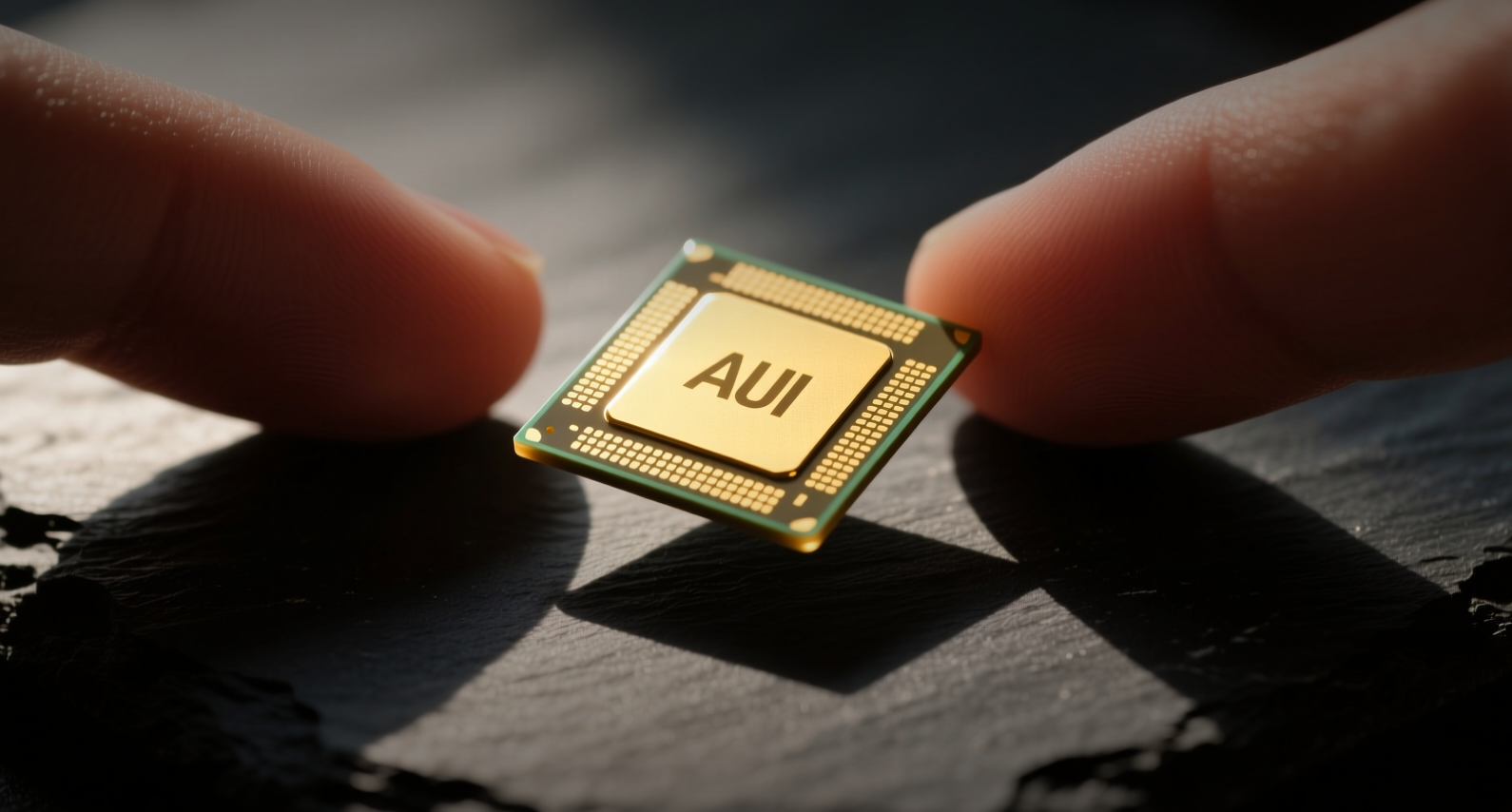
Tesla's Terafab semiconductor complex in Grimes County, Texas, will employ at least 3,000 workers and produce chips for both Tesla vehicles and SpaceX satellites, marking a $119 billion bet on domestic chip manufacturing.
"Now with the JETI done, we are going to be moving nearly immediately to get going on the project," Riley Trennell, Terafab's lead developer, said at a Grimes County commissioners meeting. "We need to get our civil work started. We need to start to get foundations in place."
The facility spans 100 million square feet — ten times the size of Giga Texas — with phase one alone budgeted at $55 billion. The project targets 1 terawatt of chip compute per year, serving Starlink satellites, Tesla vehicles, and xAI's orbital data centers. Grimes County commissioners approved the tax agreement 4-1 on June 3, with SpaceX paying $20 million annually for 35 years, totaling $710 million.
For Tesla, the facility represents a vertical integration strategy that could reduce dependence on third-party semiconductor suppliers — the same supply chain that disrupted EV production globally in 2021-2022. Construction could begin within months, with renderings expected within days.
The Terafab project is a joint venture with Tesla and Intel, serving multiple parts of the Musk industrial ecosystem. Chips produced at the site would feed Starlink satellites, Tesla's autonomous driving systems, and xAI's orbital data centers. The 100-million-square-foot footprint dwarfs Tesla's Giga Texas plant by a factor of ten.
SpaceX has committed to building its own natural gas-fired power plants to supply the facility, avoiding draws on the ERCOT grid that could raise costs for other ratepayers. The company also confirmed ownership of the Navasota River pumping station, which will divert stormwater into the Gibbons Creek Reservoir for the facility's closed-loop water systems.
The tax structure has drawn scrutiny. SpaceX attorney Buck Brannon said the effective abatement is approximately 78 percent, not the 100 percent widely reported, with the agreement fixing SpaceX's payment to Grimes County at $20 million per year for 35 years. That figure exceeds Tesla's $14 million payment to Travis County in 2025, which Brannon called the largest county tax payment in the state. At peak facility value, SpaceX is projected to pay more than $100 million per year when school district taxes are included.
The chip supply constraints that disrupted EV production globally in 2021-2022 haven't been forgotten. A captive, domestically produced chip supply at terawatt-scale compute output would be a structural advantage for Tesla's vehicle production and autonomous driving ambitions. The facility's proximity to Houston's labor pool — 7.2 million people within an hour and 15.9 million within three hours — supports the 3,000 permanent jobs committed for phase one.
The project also carries implications for the broader US semiconductor industry. SpaceX's Jordan Buss framed Terafab as a matter of national security, pointing to America's growing reliance on foreign-made chips and the chip shortages experienced during COVID. The facility represents an attempt to reverse decades of declining US manufacturing and rebuild a domestic semiconductor supply chain that has long been dominated by TSMC and other overseas foundries.
Nearly 900 Grimes County residents have signed a petition calling for stricter oversight of large infrastructure projects receiving public incentives, reflecting broader resistance to AI data center buildouts across the US. The county commissioners said they would appoint a committee to review the petition's demands. Texas Gov. Greg Abbott has also paused new data center construction until state power agencies can verify and audit facilities seeking access to the Texas grid.
Tesla shares have been under pressure as the company's capital expenditure commitments expand. The Terafab project adds another layer of CAPEX complexity, with questions remaining about how much of the $119 billion lands on Tesla's balance sheet versus SpaceX's or Intel's. For investors, the key signal will be how the joint venture structures its funding and what timeline management commits to for phase one completion.
This article is for informational purposes only and does not constitute investment advice.
