


Trump's endorsement of Ukrainian long-range strikes inside Russia and his decision to grant Kyiv a license to manufacture US Patriot interceptors mark the sharpest pro-Ukraine pivot of his second term.
Trump's endorsement of Ukrainian long-range strikes inside Russia and his decision to grant Kyiv a license to manufacture US Patriot interceptors mark the sharpest pro-Ukraine pivot of his second term.
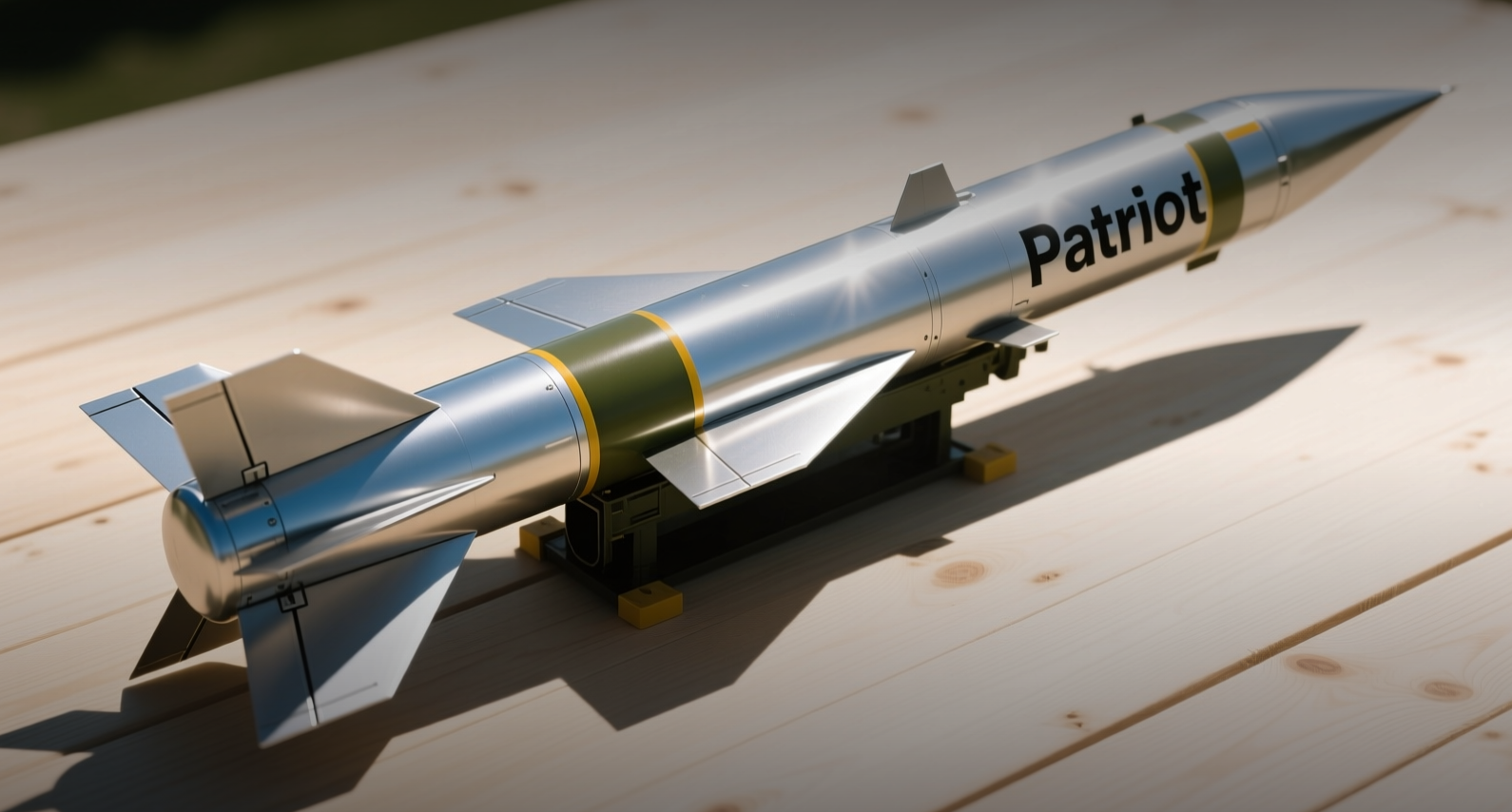
Trump threw his weight behind Ukraine's campaign of long-range strikes deep inside Russia and granted Kyiv a license to produce US Patriot missile interceptors, marking the strongest pro-Ukraine stance of his second term.
"It's an escalation, but it's also an escalation that could help lead to an end," Trump said Wednesday alongside President Volodymyr Zelensky at the NATO summit in Ankara, Turkey.
The announcement came as Russia killed at least 21 civilians in an 11-hour drone and missile barrage on Kyiv last week, firing 74 missiles and 496 drones, according to Ukraine's air force. Ukraine has run critically low on Patriot interceptors, leaving its capital exposed during repeated Russian attacks that have killed more than 16,000 civilians since the full-scale invasion began, per the United Nations. None of the 29 ballistic missiles fired at Ukraine on Monday were shot down by air defenses, Ukraine's air force said. More than 50,000 people sheltered in subway stations during the assault, the Kyiv Metro said.
The shift complicates Trump's parallel outreach to Russian President Vladimir Putin, with whom he held a 90-minute call Saturday. "We have a lot of pressure on President Putin," Trump said. "I don't think he likes what's going on." Senior European officials said Putin has not altered his ambitions of subjugating Ukraine despite mounting battlefield losses and a fuel crisis triggered by Ukraine's drone campaign against Russian oil refineries. A report by the Center for Strategic and International Studies estimated that up to 1.8 million soldiers have been killed, wounded or gone missing on both sides, with Russian troops accounting for most of that number.
Ukraine's foreign minister, Andrii Sybiha, described the situation as a "night of horror" in Kyiv and pleaded with partner countries to supply more Patriot systems, which offer the best protection against Russian ballistic missiles. The latest versions of Patriot interceptors can engage incoming short-range ballistic missiles, cruise missiles and drones at altitudes up to 15 kilometers and distances of up to 35 kilometers. Trump's decision to grant a production license could help address what Zelensky called an "insufficient supply of interceptor missiles" that has left Ukrainian cities vulnerable.
Finland's President Alexander Stubb said Ukraine's intensified drone and missile strikes deep inside Russia have strengthened Kyiv's position. "Ukraine is in a better position, militarily, politically, and financially, than they have been at any time in this war," Stubb told the Financial Times. "That is why we are seeing a lot of uneasy activity in Russia right now." Stubb said Ukraine's capabilities in drones and missiles are "superior to those of most members of the alliance."
Trump's public embrace of Ukraine's military strategy stands in marked contrast to his fiery encounter with Zelensky in early 2025 and past proposals that European allies criticized as favoring Moscow. The US president said he is maintaining pressure on Putin while pursuing a diplomatic off-ramp. "But I talked to President Putin a lot. He wants to end the war," Trump said.
The Kremlin has described Trump's position as consistent, even as Russia's defense ministry said its bombardment of Kyiv was retaliation for Ukrainian strikes on civilian infrastructure inside Russian territory. Ukrainian forces struck one of Russia's largest oil refineries overnight in the Nizhny Novgorod region east of Moscow, starting a fire, Ukraine's General Staff said. Ukraine's frequent attacks inside Russia have targeted oil refineries, causing a fuel crisis that has frustrated Russians already feeling the war's economic toll.
The last time the US authorized a comparable expansion of military support for Ukraine, defense stocks rallied while Russian assets sold off. The S&P 500 defense sector rose 8% in the month following the initial Patriot system deployment to Ukraine in late 2022, according to FactSet data. A similar dynamic could unfold as investors price in sustained demand for Patriot systems and related munitions, while heightened geopolitical risk may drive flows into safe-haven assets including gold and US Treasuries. US defense contractors including RTX and Lockheed Martin, which manufacture Patriot components, stand to benefit from increased production orders.
This article is for informational purposes only and does not constitute investment advice.
