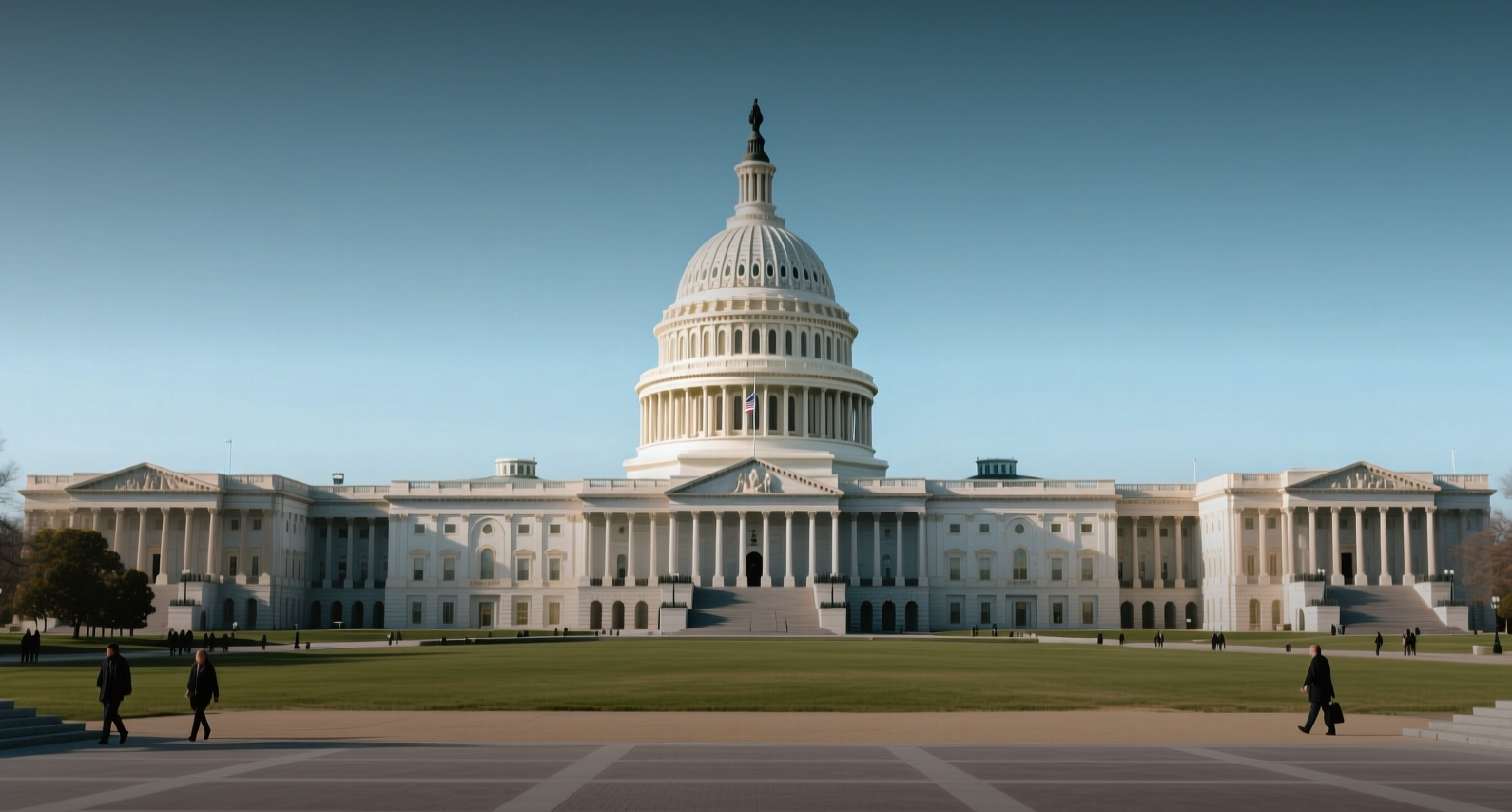
Washington's 9.9 percent stake in Intel Corp. has ballooned to roughly $41.5 billion, handing taxpayers an unrealized gain of about $32.6 billion that President Donald Trump touted on Truth Social over the weekend — and that Jim Cramer, whose charitable trust owns the same stock, publicly urged him not to cash in.
"Please don't sell the Intel," Cramer said Tuesday morning on CNBC, according to the network's coverage of the exchange, framing the government's position as a strategic asset rather than a trade to monetize. The Mad Money host's plea came two days after Trump posted an AI-generated image celebrating Intel's climb from around $20 to nearly $96.
The numbers behind the paper profit are real. The government acquired its 433.3 million-share position in August 2025, paying $8.9 billion at roughly $20.47 a share. With Intel closing at $95.80 on Sept. 4, the stake is now worth approximately $41.5 billion — a 368 percent gain in about 13 months that ranks among the most profitable single equity positions ever held by a sovereign government. The stock is up 311 percent over the past year.
The question now is exit strategy. A government sitting on 433.3 million shares cannot simply sell into the market without cratering the price, so any divestiture would need a structured block sale or a gradual program spanning months or years. Trump earlier in 2026 claimed gains of $60 billion to $70 billion tied to attracting partners for U.S. chip production, and his latest "hundreds of billions" figure lacks detailed backing — but the Intel position alone accounts for a substantial share of whatever total the administration is calculating.
The trade that turned Uncle Sam into a chipmaker shareholder is unusual. Instead of routing money through grants, subsidized loans, or tax incentives, the administration took a direct ownership stake in one of America's most storied semiconductor companies. When the government gives a company a grant, taxpayers foot the bill and hope for indirect returns through jobs and economic activity. When it buys shares, taxpayers become investors with direct financial upside.
Intel's recovery has been driven by new foundry partnerships, progress on advanced manufacturing nodes, and the demand for chips tied to AI infrastructure buildouts. The government stake itself likely provided a confidence signal to other investors — essentially telling the market that Washington viewed Intel as too strategically important to fail. That dynamic now cuts both ways: a sale would remove a powerful backstop from the stock's narrative, while holding keeps a sitting president publicly cheering a company the government owns nearly 10 percent of.
There is an obvious tension in a president celebrating the stock performance of a company Washington holds a large stake in. Presidential posts about specific stocks can move markets, and when the government holds a massive position, the line between cheerleading and market manipulation gets blurry. Cramer's intervention reflects that concern — a government sell-off could pressure a stock that has already re-rated sharply.
For investors, the stakes are concrete. Intel trades at a valuation that embeds continued execution on its foundry turnaround, and any signal that Washington plans to unwind its position would introduce a large overhang of supply. The administration has not disclosed a timeline or mechanism for a potential sale, leaving the market to weigh the risk against the stock's 311 percent run. How Trump responds to Cramer's plea — and whether the government moves to lock in its $32.6 billion gain — will determine whether Intel's re-rating holds.
This article is for informational purposes only and does not constitute investment advice.