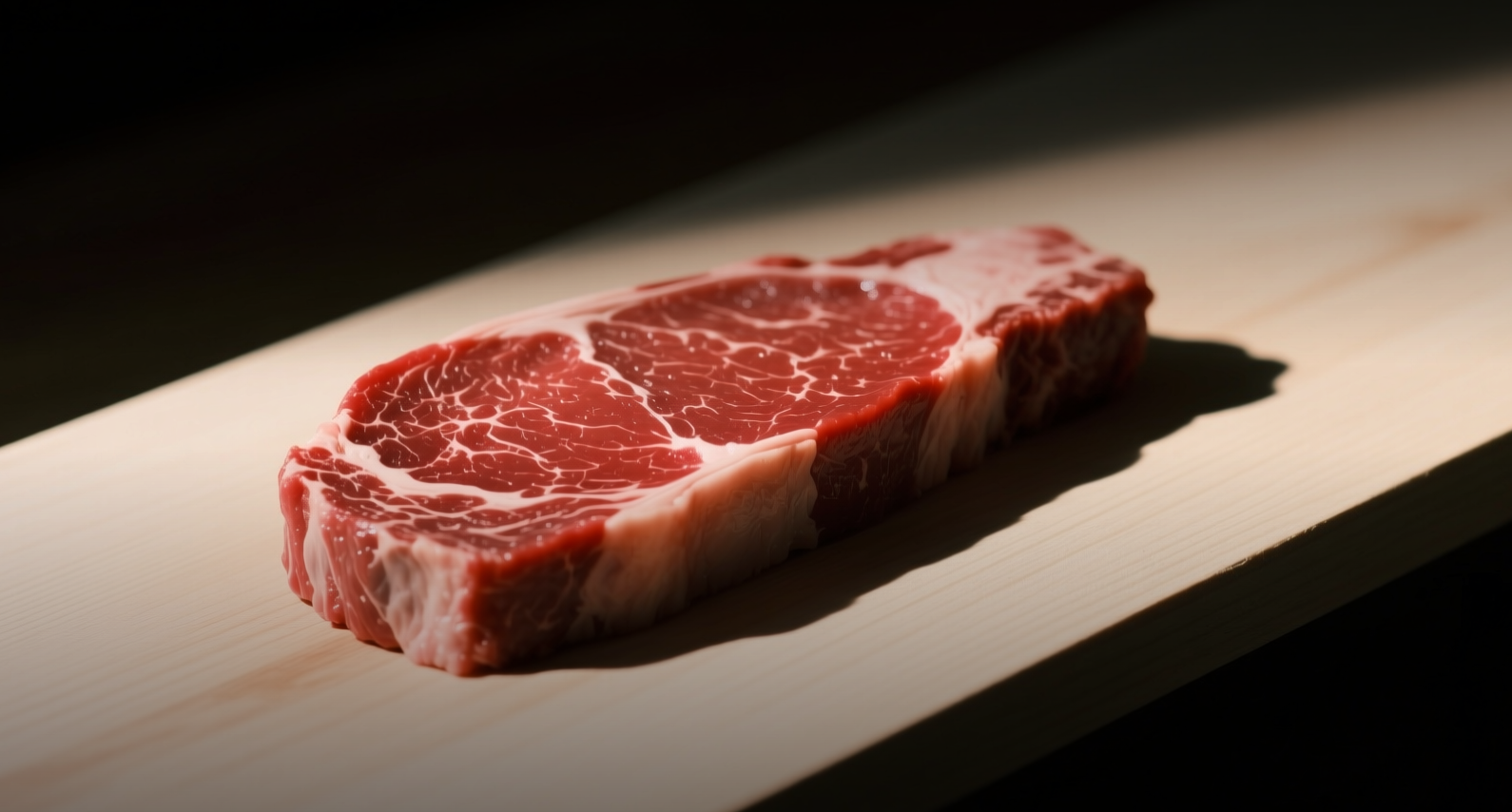
Tyson Foods reported Q3 revenue of $13.86 billion, essentially flat year-over-year, as beef volumes fell 15.9 percent on historically tight cattle supplies.
"We remain focused on disciplined execution," President and CEO Donnie King said, highlighting the resilience of the company's diversified protein portfolio despite continued volatility in cattle markets.
Adjusted earnings per share rose to $0.99 from $0.91 a year earlier. The beef segment posted an operating loss of $138 million, while chicken delivered $488 million in operating income at an 11.2 percent margin. Prepared Foods grew sales 1.7 percent to $2.6 billion, its third consecutive quarter of volume and sales growth.
Tyson cut its fiscal 2026 adjusted operating income guidance to $2.1 billion-$2.3 billion, down from $2.2 billion-$2.4 billion. The beef segment is now expected to lose $500 million-$650 million, worse than the prior forecast of $350 million-$500 million. Shares fell about 3 percent in premarket trading following the announcement.
The Springdale, Arkansas-based company said years of drought, elevated feed costs and aggressive herd liquidation by U.S. ranchers have reduced the national cattle herd to its smallest in 75 years. The USDA temporarily suspended livestock imports from Mexico over New World screwworm concerns, further tightening supplies, though the department plans to begin easing the ban this month.
Chicken remains the portfolio's anchor, with roughly 75 percent of segment operating income now coming from a pull-based, value-added model tied to strategic customers and branded products, King said on the earnings call. The company's new big-bird genetics line will reach 75 percent penetration in relevant locations by year-end, reversing a decade of disadvantaged performance in eggs per hen house and breast meat yield.
Prepared Foods posted operating income of $321 million at a 12.6 percent margin, with record volume share gains across all 13 weeks of the quarter. Management raised its Prepared Foods outlook to $1.3 billion-$1.35 billion for the year.
The company maintains $4 billion in liquidity and a net leverage ratio of 2.1x, providing flexibility for continued share repurchases and organic investment. Capital expenditures are now expected at $700 million-$900 million, with free cash flow of $1.3 billion-$1.7 billion.
Incoming CEO Jeff Schomburger, who takes over from King, reiterated a commitment to the existing strategy focused on innovation, brand building and operational execution. Management expects fiscal 2027 to look similar to 2026, with continued volume and profit growth across chicken and prepared foods, though formal guidance will be provided later.
The phased reopening of the Mexican border for cattle imports, beginning Aug. 24 in Arizona, could provide some improvement in beef supply by late 2027, but management cautioned it will not solve the structural challenges of the current cattle cycle. Heifer retention is up 3 percent, though executives noted this is not the rapid herd rebuild seen in previous cycles like 2014. The pressure extends across the protein sector, with peers JBS and Hormel facing similar input cost headwinds as cattle prices remain elevated.
Investors will watch the trajectory of beef losses and the pace of prepared foods margin recovery in the fourth quarter. The Q4 earnings call, expected in November, will test whether chicken and prepared foods can continue to offset the beef drag.
This article is for informational purposes only and does not constitute investment advice.