
Key Takeaways:
- UBS trimmed its 2026 year-end gold target to $4,675/oz from $5,000/oz
- The rally's driver shifted from interest rates to fiscal-credit concerns
- Forecast snapshot: Bull case $6,500/oz | 12-month view $5,400/oz | H1 2027 $5,000/oz
Key Takeaways:
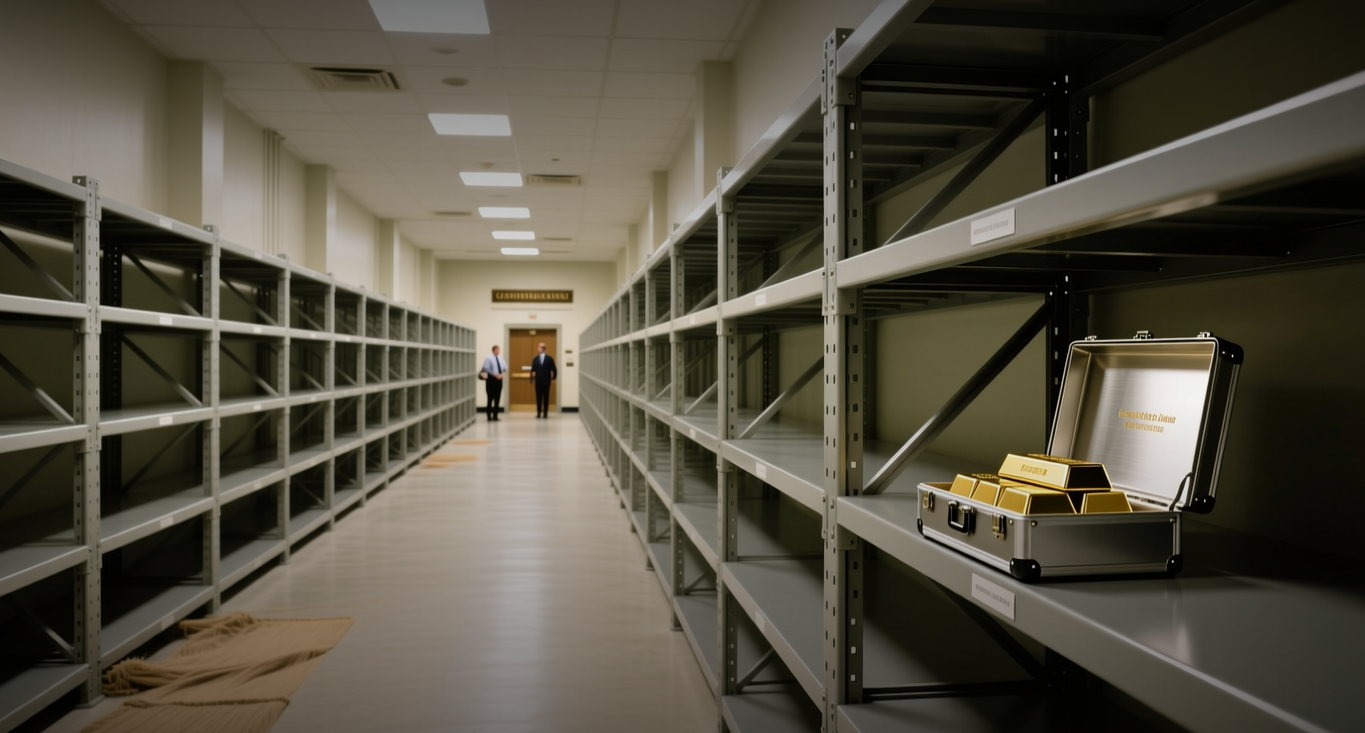
Gold's August rally has shifted from an interest-rate trade to a dollar-debasement trade, UBS said, cutting its 2026 year-end target to $4,675 an ounce.
The pricing logic has moved from an opportunity-cost framework to a fiscal-credit framework, the Swiss bank's precious metals team wrote in an Aug. 27 report.
Gold has climbed about 15% this month, while the DXY dollar index fell 2.4% over the past month. The People's Bank of China added 20 metric tons to reserves in July, the largest monthly increase since October 2023, and central banks bought 289 tons in the second quarter.
UBS kept its 12-month forecast at $5,400/oz and its bull-case target at $6,500/oz, with the next market test being Fed Chair Kevin Warsh's Jackson Hole speech.
Treasury buybacks trigger the second leg
UBS split the rebound into two phases. The first was a technical bounce built on light positioning, central-bank buying, resilient physical demand and softening US economic data. The second began when the US Treasury doubled the size of its long-dated bond buyback program, reviving concerns about fiscal sustainability and loosening gold's traditional negative correlation with interest rates.
Under the old framework, higher real rates raised the opportunity cost of holding gold and pressured prices. UBS argues the reason rates rise now matters more: when long-end yields climb on fiscal risk and falling confidence in sovereign debt rather than economic strength, investors hold gold anyway. A weaker dollar adds a tailwind, reinforcing bullion's role as an alternative to fiat currencies.
$4,000 floor and the $6,500 bull case
Gold repeatedly failed to break below $4,000/oz before the August rebound, rebuilding confidence and establishing a floor, UBS said. The metal had pulled back about 30% from its yearly highs, then consolidated near $4,400/oz before the second leg higher. It broke above the $4,250 resistance area for the first time in two months, according to the bank.
UBS projects full-year central-bank purchases of 750-1,000 tons in 2026, with the official sector buying on dips. The clearest upside scenario is fiscal and debt concerns becoming embedded in strategic asset allocation, which would push the rally beyond the base case in both size and duration. The bank sees gold reaching $5,000/oz in the first half of 2027.
Hawkish Fed is the main near-term risk
UBS said gold is not immune to a hawkish Fed, and a rate hike or a stronger signal of one could trigger a sharp decline through higher real rates and a firmer dollar. Thin summer liquidity and the speed of August gains could widen such a pullback. The bank views any rate-expectation-driven dip as a chance to add positions rather than the start of a bear market.
A deeper risk is AI investment delivering growth that exceeds expectations, giving the Fed room to hike aggressively to curb inflation. UBS noted that overall market allocation to gold remains low, leaving room for further diversification if fiscal and debt sustainability become a durable driver.
This article is for informational purposes only and does not constitute investment advice.
