
Key Takeaways:
- Unitree Robotics priced its STAR Market IPO at 150.80 yuan per share
- The offering values the humanoid robot maker at about 61 billion yuan
- Institutional bookbuilding drew 2,760.67x oversubscription after high-price bids excluded
Key Takeaways:
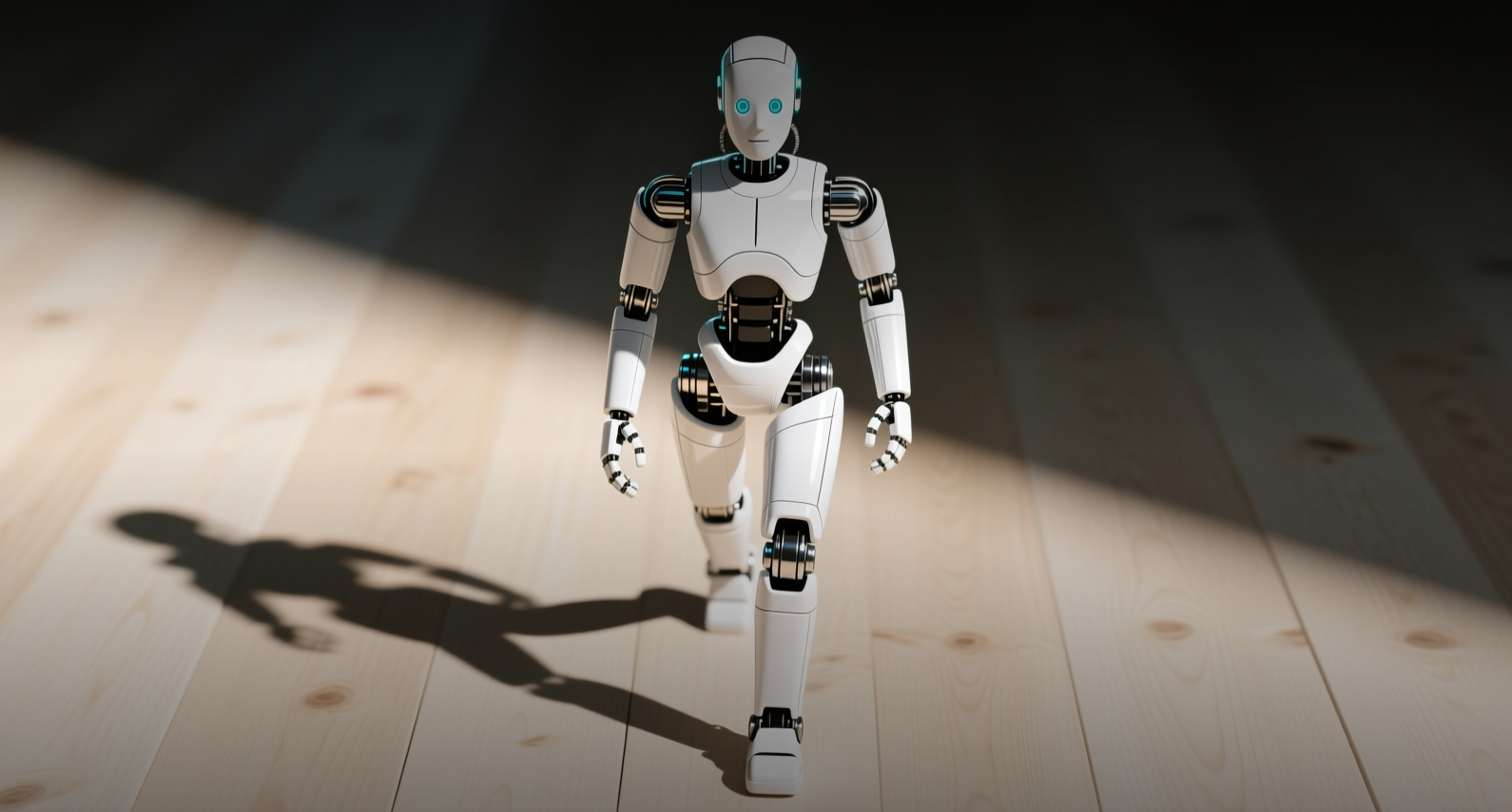
Unitree Robotics priced its Shanghai STAR Market IPO at 150.80 yuan per share on Aug. 6, valuing the humanoid robot maker at roughly 61 billion yuan and drawing institutional demand of 2,760.67x oversubscription in the bookbuilding phase.
"The robotic sector is one of the six fields — also including semiconductor, computing power/algorithm, commercial spaceflight, solid-state batteries and biomedicine — that benefited from China's fast development of AI technologies," Yang Delong, chief economist at Shenzhen-based First Seafront Fund, said.
The company plans to raise about 6.1 billion yuan through the offering, issuing approximately 40.45 million new shares representing 10 percent of the enlarged share capital of 404.5 million shares. Proceeds will fund intelligent robot model R&D (2.022 billion yuan), robot body development (1.11 billion yuan), new product R&D (445 million yuan), and an intelligent robot manufacturing base (624 million yuan).
The final price came in well above the preliminary estimate of around 104 yuan per share based on a 40 billion yuan post-IPO valuation, reflecting intense demand. A total of 367 institutional investors and 12,161 allocation objects participated in the bookbuilding, with the offline subscription multiple reaching 2,760.67x after high-price bids were excluded. One subscription lot requires about 75,400 yuan in payment based on the STAR market's standard 500-share lot size.
Unitree shipped more than 5,500 humanoid robots in 2025, ranking No. 1 globally, according to its IPO prospectus. Revenue from humanoid robots reached 868 million yuan in 2025, representing 51.78 percent of total revenue and becoming the company's largest revenue segment, up from just 1.88 percent in 2023. The firm expects H1 2026 revenue of 1.052 billion to 1.128 billion yuan, up 35.62 percent to 45.41 percent year-on-year, driven by rising demand in the embodied AI sector. The company posted revenue of 1.699 billion yuan in 2025 with net profit attributable to shareholders excluding non-recurring gains and losses of 590 million yuan, and a gross profit margin of 60.13 percent for its core businesses.
CITIC Securities, the lead underwriter, estimated the company's valuation at 50.6 billion to 55.9 billion yuan within six to 12 months after listing, equivalent to about 20 times expected annual sales and roughly 80 times expected earnings. CCB International sees a re-rating to 60 billion to 100 billion yuan, with an optimistic target of 109 billion yuan. The final pricing at 61 billion yuan sits within the range of institutional estimates, reflecting strong demand for the first embodied-intelligence listing on the A-share market.
The listing marks a milestone for China's robotics sector, following the China Securities Regulatory Commission's approval of Unitree's registration on July 2. The company's supply chain has a domestic production rate of 90 percent, with all core components fully self-developed. Prior to this, UBTech Robotics went public on the Hong Kong Stock Exchange in December 2023 as the first humanoid robot IPO, while Leju Robotics has filed on the ChiNext board and DEEP Robotics on the STAR Market.
The IPO comes as Washington restricts advanced robot exports to China, adding Unitree to a U.S. military list in June. The listing could boost sentiment across the humanoid robotics sector, with the company competing against Tesla and Boston Dynamics in humanoid robot development. However, Yang cautioned that "the industry is still in its early stage of development" and may not have entered its true growth phase. Unitree co-founder Chen Li said on July 3 that "robots have not been widely applied" because large models for embodied intelligence have not yet matured.
The pricing outcome also signals how capital markets are responding to China's push for technological self-reliance. The advancing IPOs of hard-tech firms show growing capital market support for technology innovators, enabling them to strengthen R&D, scale operations, and speed up product commercialization, according to Liu Dingding, a veteran tech industry analyst. The robotics sector is expected to see more listings as the embodied AI industry matures, with Chen Li projecting that by 2030, embodied AI robots will spark a new consumer wave and sharply raise social productivity.
Online and offline subscription opens Aug. 10.
This article is for informational purposes only and does not constitute investment advice.
