
US forces opened fire on a Panama-flagged vessel attempting to breach the naval blockade of Iranian ports, marking the first direct military engagement in the escalating Gulf confrontation.
US forces opened fire on a Panama-flagged vessel attempting to breach the naval blockade of Iranian ports, marking the first direct military engagement in the escalating Gulf confrontation.
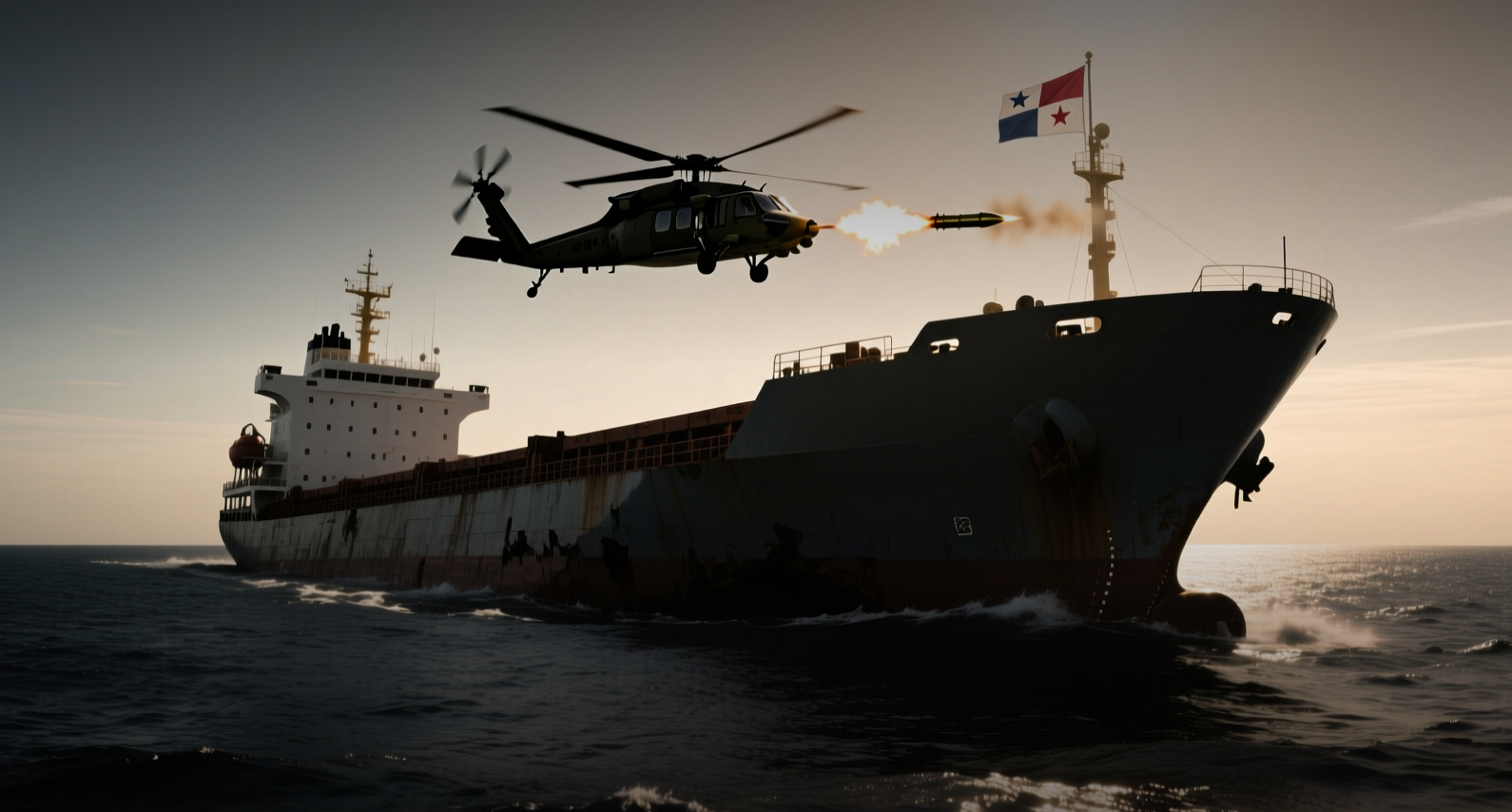
US forces opened fire on a Panama-flagged vessel attempting to breach the naval blockade of Iranian ports, marking the first direct military engagement in the escalating Gulf confrontation.
US forces fired on a Panama-flagged vessel attempting to break the naval blockade of Iranian ports early Tuesday, escalating a confrontation that has already forced the redirection of 55 commercial ships in the Gulf.
"A US military helicopter fired at the rudder of the ship after its crew ignored warnings from American personnel working to enforce the naval blockade of Iran's ports," a US official told The Wall Street Journal.
The incident follows President Donald Trump's claim of total control over the Strait of Hormuz and his demand for compensation from Iran for "50 years" of alleged damages. Iran has conditioned the reopening of the strait on war reparations, according to reports. US Central Command has redirected 55 vessels as the military continues its blockade of Iranian ports.
US petrol prices dropped nine cents last week but could again surge if the strait closure continues, analysts warn. The Strait of Hormuz handles roughly 21 percent of global oil trade, making any sustained disruption a direct threat to crude benchmarks, shipping costs, and insurance premiums across Gulf routes.
The Tuesday engagement marks the first reported use of force against a civilian vessel since the blockade began. The Panama-flagged ship's crew ignored multiple warnings before the helicopter targeted the rudder, disabling the vessel without sinking it, according to the US official. The choice of a non-lethal disabling shot suggests US forces are seeking to enforce the blockade while avoiding a broader escalation that could draw in regional powers.
The blockade has created cascading pressures across global markets. Beyond the 55 vessels redirected by CENTCOM, shipping and insurance costs for Gulf routes have surged as carriers weigh the risk of transiting a contested waterway. The last comparable disruption came during the Iran-Iraq War's "Tanker War" in the 1980s, when attacks on commercial shipping in the Gulf caused oil prices to spike and insurance premiums for tanker transits to rise sharply. That conflict ultimately drew in US naval escorts and international coalition forces before subsiding.
Oil Risk Premium Builds as Strait Closure Persists
The closure of the Strait of Hormuz — a chokepoint that carries roughly 21 percent of global oil consumption — has already begun to filter through to consumer prices. US petrol prices dropped nine cents last week, but analysts warn that a prolonged closure could reverse those gains quickly. The strait's strategic importance extends beyond crude: it also carries significant volumes of LNG from Qatar, making the disruption a potential natural gas supply issue as well.
Trump's demand for compensation from Iran for "50 years" of alleged damages adds a diplomatic layer to the military standoff. Iran's precondition of war reparations for reopening the strait suggests neither side is close to a negotiated resolution, keeping the risk premium elevated. The combination of military escalation and maximalist negotiating positions on both sides points to a prolonged standoff rather than a quick diplomatic fix.
If the blockade persists, the market impact would likely extend beyond oil. Safe-haven assets including gold and US Treasuries would attract inflows, while equity indices exposed to energy costs would face headwinds. Shipping and insurance costs for Gulf routes may surge further, with the 55-vessel redirection already straining logistics networks.
The next escalation point will be whether additional vessels attempt to run the blockade and how US forces respond. With Trump asserting total control of the strait and Iran demanding reparations, the standoff shows no immediate path to de-escalation. Traders will be watching for any signs of diplomatic movement, but the current trajectory suggests the risk premium in oil markets will remain elevated for the foreseeable future.
This article is for informational purposes only and does not constitute investment advice.
