
A new analysis argues that decades of government protectionism, not market evolution, have left the U.S. airline and auto industries financially brittle and uncompetitive.
A new analysis argues that decades of government protectionism, not market evolution, have left the U.S. airline and auto industries financially brittle and uncompetitive.
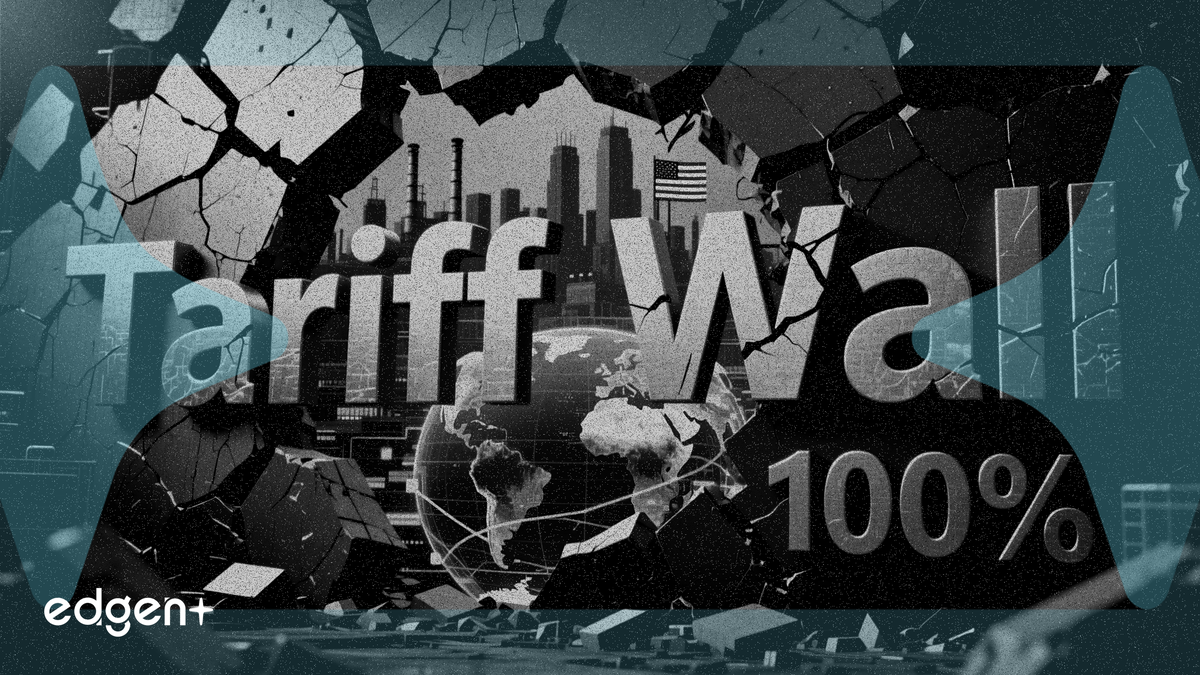
The recent collapse of Spirit Airlines is not an isolated failure of a budget airline model but a symptom of a deeper crisis plaguing America’s airline and automobile sectors, according to a Wall Street Journal analysis by Clifford Winston, a nonresident senior fellow at the Brookings Institution. The argument posits that decades of government protectionism have created financially brittle industries, shielded from the global competition that fosters resilience and innovation, ultimately harming U.S. consumers.
"By shielding companies from the efficiency frontier of global competition, we have created industries that are too small to be truly global yet too large to be allowed to fail locally," Winston said.
The core of the issue, Winston argues, is a regulatory framework that prioritizes producer stability over consumer welfare. For airlines, the 1978 Deregulation Act was incomplete; by prohibiting foreign carriers from flying domestic U.S. routes (a policy known as cabotage), competition was artificially suppressed, allowing fares to remain high. In the auto industry, a long history of trade barriers, from the 1964 "Chicken Tax" to the 100% tariffs on Chinese electric vehicles slated for 2025, has allowed Detroit to abandon affordable cars and focus on high-margin, $80,000 SUVs.
The consequences of this protectionism are a massive transfer of welfare away from American consumers and industries that lack the diversified networks to absorb domestic shocks. The proposed solution is a radical shift: embrace global competition by granting cabotage rights, privatizing airports, eliminating all auto tariffs, and removing archaic state auto-dealership laws.
The potential disruption from opening the U.S. auto market is starkly illustrated by the current crisis in Argentina. Following trade liberalization policies, the country's auto parts industry is in a steep decline. According to the Asociación de Fábricas Argentinas de Componentes (AFAC), sector activity fell 22.5% in the first two months of the year compared to the same period last year, with exports dropping 14.7%.
The primary driver is a surge in cheaper foreign products. Auto parts imports from China increased 81% year-over-year to $1.46 billion, according to AFAC data. Juan Cantarella, the association's executive president, said competition from Chinese products represents the industry's main challenge, leading to the loss of over 4,000 jobs in 2025. This scenario provides a real-world example of the competitive pressures U.S. automakers have been shielded from, forcing a difficult conversation about whether short-term protection is worth long-term stagnation.
In the airline industry, the lack of foreign competition manifests not just in high ticket prices but in a mountain of ancillary fees. This has led to a bizarre new phenomenon: travelers abandoning their luggage to avoid paying exorbitant fees. As airlines monetize every inch of baggage space, some passengers find it cheaper to leave a suitcase behind than to pay for it.
"The abandoned luggage issue isn't just about saving a few bucks on a checked bag," said Zackaria Saadioui, founder of parking marketplace Prked. "It's a sign of fee fatigue. Travelers are being nickel-and-dimed at every turn." This "fee fatigue," a direct result of an uncompetitive market, shows how the current model hurts consumers in ways that go beyond the initial ticket price. Hotels and airports, as one marketing specialist noted, are left "inheriting someone else's profit-maximizing strategy."
While acknowledging the political difficulty of immediate, sweeping liberalization, Winston suggests a phased integration. Auto tariffs could be lowered by 10% annually, and airline cabotage corridors could be established with high-efficiency regions like the European Union or Singapore. The liquidation of Spirit Airlines, he concludes, is a warning: the U.S. can continue patching holes with bailouts and barriers, or it can embrace the global competition that is the only true source of long-term financial strength.
This article is for informational purposes only and does not constitute investment advice.
