
Iraq, a rare ally of both Washington and Tehran, shows how the US can squeeze Iran's trade partners without wrecking a strategic economy.
Iraq, a rare ally of both Washington and Tehran, shows how the US can squeeze Iran's trade partners without wrecking a strategic economy.
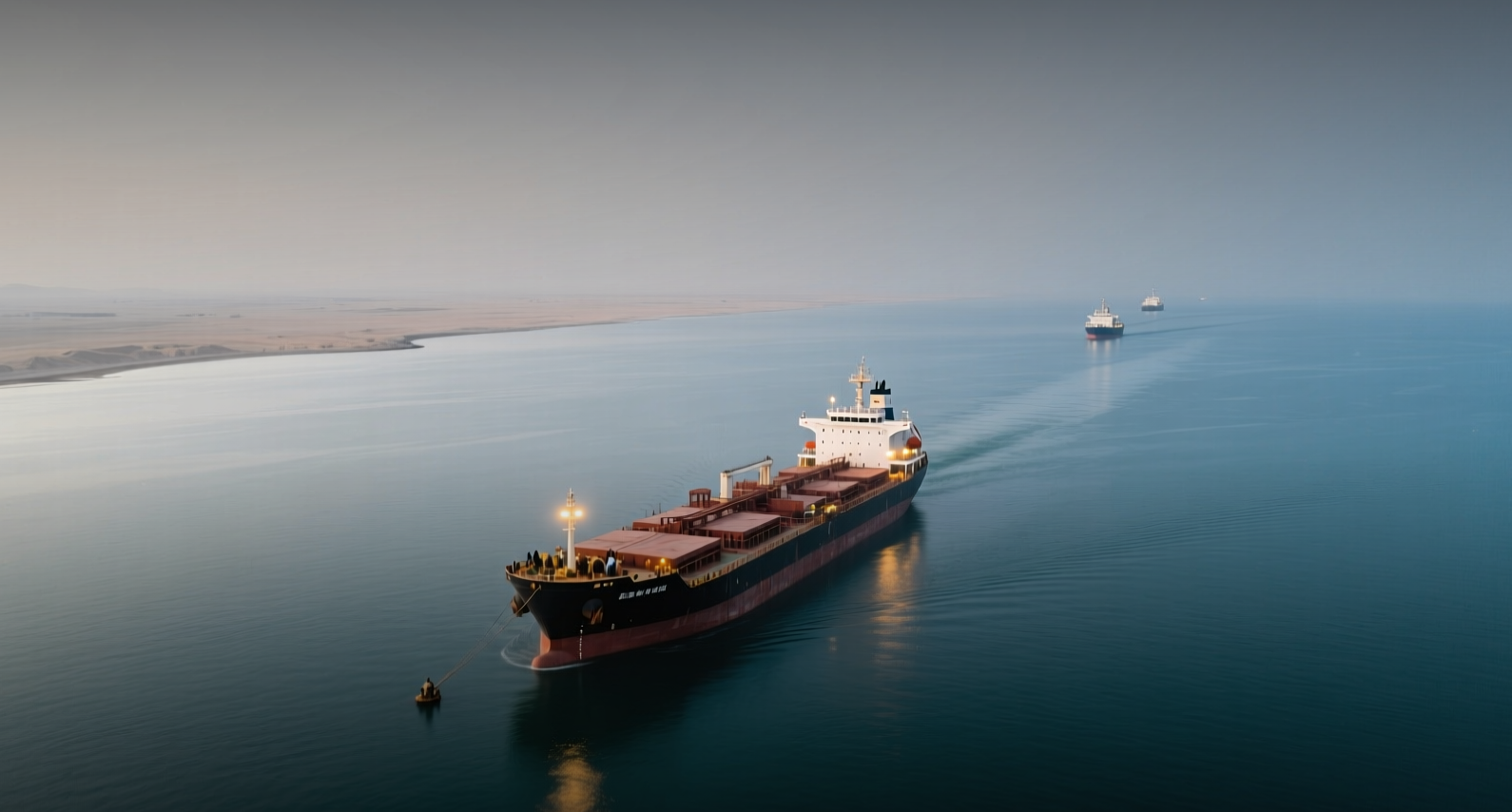
Iraq, a rare ally of both Washington and Tehran, shows how the US can squeeze Iran's trade partners without wrecking a strategic economy.
Bessent's threat to cut Iran's trading partners off from the dollar system puts $10 billion in annual Iraq-Iran commerce and China's oil purchases in the crosshairs, though enforcement gaps may blunt the impact.
"Countries such as China or Turkey have larger economies and more room to absorb pressure. Iraq has fewer alternatives and significantly less financial resilience," Neil Quilliam, associate fellow at Chatham House, said. "Its vulnerability comes less from the scale of its trade with Iran and more from its dependence on continued access to the U.S.-led financial architecture."
The sanctions, unveiled Monday, target more than 60 entities across five of Iran's "most vital lifelines" — digital assets, technology, gold, aviation and shipping. The S&P 500 fell 0.3 percent while the Bloomberg Dollar Spot Index gained 0.2 percent and 10-year Treasury yields held at 4.70 percent. Iran's rial hit a record low of 2 million to the dollar, with inflation running at 88 percent year-over-year.
The campaign marks a shift from military strikes — which began in late February and have run nearly six months — to economic pressure ahead of November midterm elections. Bessent said the US would target a major financial institution over Iran ties by the end of this week, without naming it, while warning: "Why would I want to blow up the global financial system?"
Iraq's Dollar Leverage
Washington has held effective control over Iraq's oil revenue dollars since the 2003 invasion, primarily through the Federal Reserve Bank of New York, giving it extraordinary leverage over Baghdad. Iraq holds more than $100 billion in reserves in the US and relies on Washington's goodwill to keep its finances flowing. In April, the US halted a $500 million cash shipment to Iraq and suspended parts of security cooperation to pressure Baghdad over Iran-backed militias. Successive administrations have sanctioned Iraqi banks accused of doing business with Tehran, though some of the largest were spared.
Iraq's trade with Iran topped $10 billion in 2025, driven mainly by Iranian exports of food and consumer goods. Baghdad pays Tehran $4 billion to $5 billion a year for natural gas used to generate electricity, and officials warn new US measures could jeopardise those payments. Reuters revealed in late 2024 a fuel oil smuggling network generating at least $1 billion a year for Iran and its proxies in Iraq.
China Looms as the Real Test
The effectiveness question centers on China, which buys the bulk of Iran's oil and has refused to stop. Bessent declined to name any country, saying the best way to engage was through "quiet diplomacy," but acknowledged the reach of the measures: "No one is above the reach of US sanctions." The previous maximum pressure campaign from 2018 to 2021 drove Iranian crude exports to around 500,000 barrels per day, before they recovered to an estimated 1.7 million by 2024. The current naval blockade, reimposed in mid-July after a brief ceasefire, has already cut shipments through the Strait of Hormuz, which carried roughly a fifth of global traded oil before February's escalation.
Tom Keatinge, director at the Centre for Finance and Security at the Royal United Services Institute, said Iraq has long been an effective sanctions-evasion route for Iran. "As Iran's connections with the international financial system are squeezed further, existing vulnerabilities will find themselves exploited to a greater extent," he said, adding that a strategy based on incentives rather than punitive measures could prove more effective.
Iranian officials were unbowed. "Americans know that no one buys their bombast," Mohammad Bagher Ghalibaf, Iran's lead negotiator, wrote on social media, while President Masoud Pezeshkian said the government does not deny the economic shortages and should end the war from a position of strength.
This article is for informational purposes only and does not constitute investment advice.
