

The Pentagon's $22.9 billion, seven-year Tomahawk award locks in production of more than 1,000 missiles a year as the Iran conflict drains precision-strike stockpiles.
The Pentagon's $22.9 billion, seven-year Tomahawk award locks in production of more than 1,000 missiles a year as the Iran conflict drains precision-strike stockpiles.
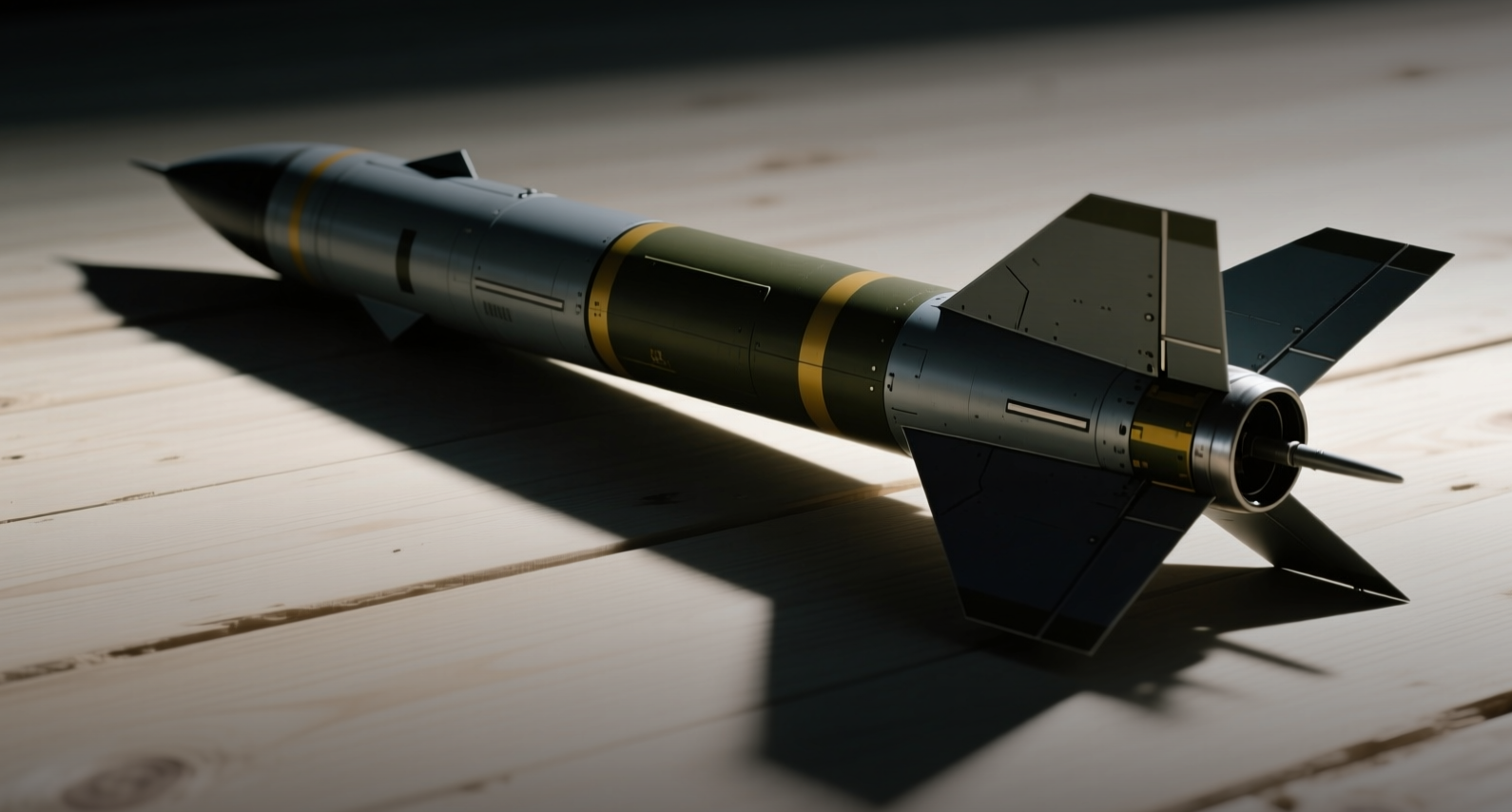
The Pentagon's $22.9 billion, seven-year Tomahawk award locks in production of more than 1,000 missiles a year as the Iran conflict drains precision-strike stockpiles.
The US Navy awarded Raytheon a $22.9 billion, seven-year contract to lift Tomahawk cruise missile output past 1,000 units a year, the largest single award for the weapon as the Iran conflict depletes precision-strike stockpiles.
"Tomahawk is the Navy's most important strike weapon, able to target hostile forces hundreds of miles away without ever risking the lives of our sailors," Phil Jasper, president of Raytheon, said in a statement.
RTX delivered three times more Tomahawks in the first half of 2026 than in the same period a year earlier, and the award — issued under the Department of War's Arsenal of Freedom program — will draw on hundreds of small and mid-sized US suppliers to scale capacity. Acting Secretary of the Navy Hung Cao said the department is "utilizing every available tool to meet the demands of current operations."
The contract anchors RTX's revenue base — 2025 sales topped $88 billion across 180,000 employees — and marks Washington's clearest commitment to sustained munitions production after years of stockpile drawdowns in Eastern Europe and the Middle East.
Tomahawk's Strategic Role
The Tomahawk Land Attack Missile remains the backbone of the Navy's surface and subsurface strike arsenal, delivering a 1,000-pound warhead over distances exceeding 1,000 nautical miles from destroyers and nuclear submarines. The contract's scale — more than 1,000 missiles annually plus support — is designed to guarantee a stable, predictable supply for the Navy and allied forces, addressing supply chain bottlenecks that have constrained output for years.
The last comparable production surge came in the early 2000s, when the Navy's Block IV modernization program sustained output near 400 missiles a year. Today's target of more than 1,000 units represents a step-change in industrial capacity, requiring Raytheon to invest in automated assembly lines and lock in sub-tier suppliers for propulsion and guidance components.
RTX shares rose 1.13 percent to $222.97 in the session after the announcement, while the broader defense complex — including Lockheed Martin and Northrop Grumman — drew support from the sector-wide spending narrative.
Munitions Replenishment and the Iran Conflict
The urgency reflects the depletion of US precision-guided munitions during the Iran campaign and continued arms transfers to allies. Reuters reported the US has supplied large amounts of arms to allies while also using munitions in the Iran conflict, raising concerns about inventories of air defense and precision-guided weapons. The $22.9 billion commitment guarantees steady demand, allowing Raytheon to purchase raw materials in bulk and retain specialized engineering talent.
For RTX, the financial certainty supports capital allocation toward next-generation hypersonic and missile defense programs without sacrificing its legacy cash cow. Wall Street analysts project the sustained revenue stream will boost free cash flow, enabling share buybacks and acquisitions of smaller defense technology firms in artificial intelligence and autonomous navigation.
The contract also signals a structural shift in US defense procurement toward long-horizon, high-volume munitions production rather than episodic replenishment. If Raytheon hits the 1,000-plus annual target, the Navy can sustain prolonged saturation strikes against fortified anti-access and area denial networks across the Indo-Pacific. The production ramp tightens global supply chains for dual-use technologies — advanced semiconductors and solid rocket propellants — with knock-on effects for allied and emerging-market defense buyers facing longer delivery times and higher costs.
This article is for informational purposes only and does not constitute investment advice.
