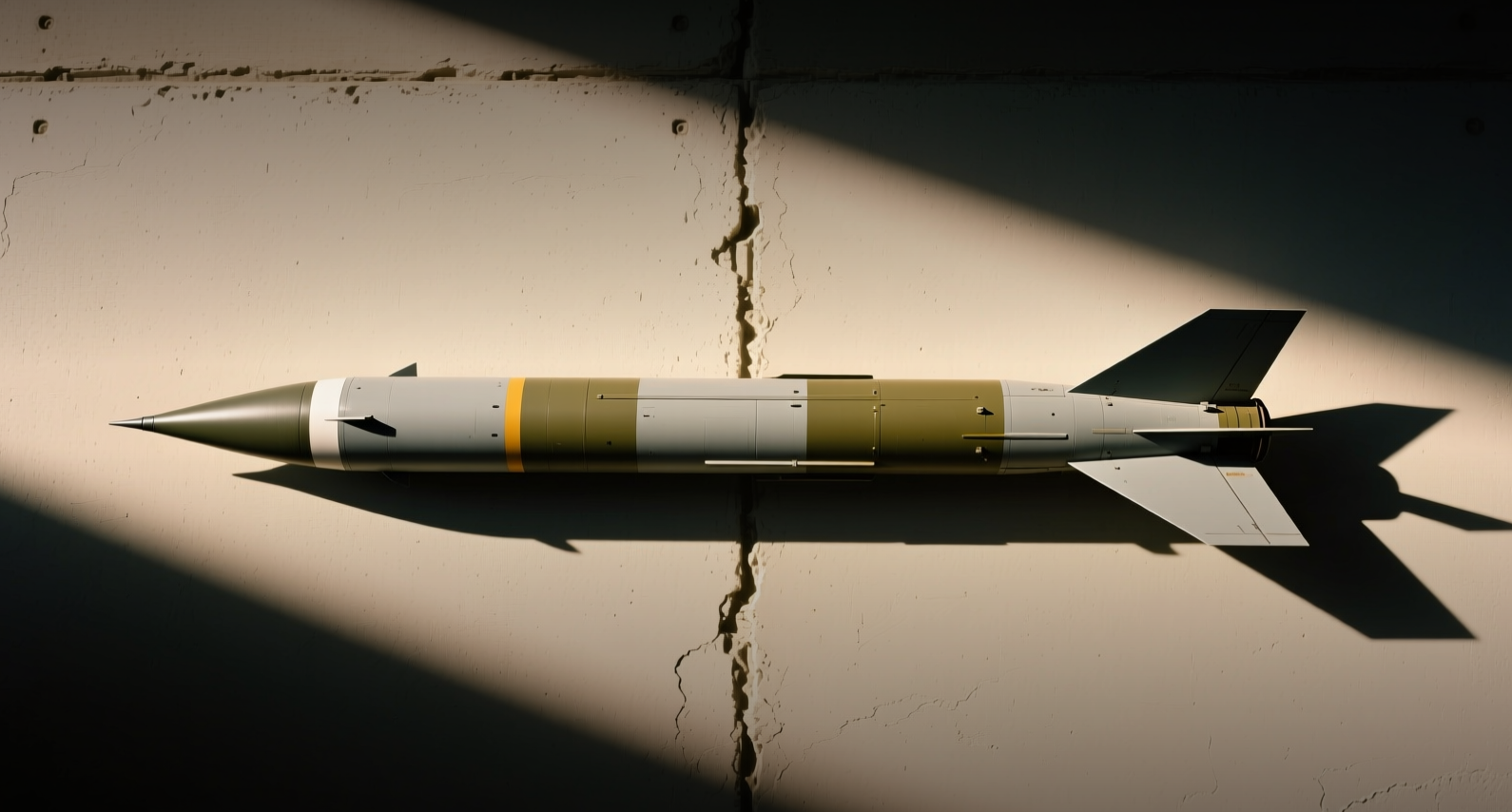
The Pentagon is burning through precision-guided munitions in the Iran campaign faster than the defense industry can replace them, forcing a strategic trade-off between the Middle East and the Indo-Pacific.
The US military cannot sustain the rate at which it has expended Patriot interceptors, Tomahawk cruise missiles and JASSMs during operations against Iran, according to US military and intelligence officials who spoke to CBS News. Some advanced weapons being fired within weeks or months could take as long as five years to replace.
"We've got lots of them, we're building more than ever before," Defense Secretary Pete Hegseth told CBS News in June, denying a munitions crisis. "Our stockpiles are strong, and they will only get stronger in the future." But officials familiar with internal assessments described a more strained picture, with the Pentagon transferring interceptor stocks from the Indo-Pacific to sustain the campaign.
The Center for Strategic and International Studies estimated that more than 1,000 Tomahawks and approximately 1,100 JASSMs have been used during the conflict. Replacing those weapons could take almost four years, while THAAD, Patriot and SM-3 air-defense missiles face production timelines of up to five years, according to the report. The US has spent more than $37.5 billion on the Iran war so far, per White House data.
The depletion raises a strategic dilemma: weapons expended in the Middle East cannot be used to deter China in the Indo-Pacific. Admiral Samuel Paparo, commander of US Indo-Pacific Command, told lawmakers in April that scaling production of advanced systems "will take one to two years" and "won't be soon enough." A US partner in the region told CBS News a pause in fighting was needed because of the intensity of Iranian attacks, particularly those targeting Kuwait and Bahrain.
The Pentagon has increasingly turned to shorter-range alternatives. Aircraft are now using more GPS-guided JDAM kits and Small Diameter Bombs against fixed targets, conserving JASSMs and Tomahawks for higher-value strikes. Following the collapse of a ceasefire earlier this month, US attacks have focused more heavily on targets near Iran's coastline, reducing the need for deep-penetration missions that require longer-range munitions.
The strain is most acute in air defense. Patriot and THAAD interceptors are being fired at a rate that far exceeds manufacturing capacity, forcing the Pentagon to pull stocks from other regions, including weapons prepositioned for potential operations in the Indo-Pacific. Those transfers have left other US combatant commands with smaller reserves than planners consider necessary, particularly as Washington seeks to deter Chinese military action around Taiwan.
Defense contractors race to scale production
Lockheed Martin, the Pentagon's largest supplier, reported a record $230 billion backlog in the second quarter of 2026, with $65 billion in orders and a book-to-bill ratio of 3.2 to 1. The company raised its full-year guidance across sales, profit and free cash flow, citing accelerating demand for munitions, F-35 aircraft and missile defense systems. Major awards included a $35 billion THAAD interceptor contract and a $3 billion GMLRS order.
Chief Executive Jim Taiclet said the company is investing in advanced manufacturing, automation and robotics, opening a missile assembly building in Courtland, Alabama, and breaking ground on a munitions production center in Troy, Alabama. But even with these expansions, production timelines for the most advanced systems remain measured in years, not months.
The last time the US faced a similar munitions crunch was during the Ukraine war, when the Pentagon depleted stocks of Javelin and Stinger missiles faster than they could be replaced. That experience prompted investments in production capacity, but the current conflict has exposed gaps that remain unclosed, particularly in long-range precision strike and advanced air defense.
This article is for informational purposes only and does not constitute investment advice.