
The Trump administration is considering restrictions on Chinese AI models after a Beijing startup's latest release outperformed leading US systems at a fraction of the cost.
The Trump administration is considering restrictions on Chinese AI models after a Beijing startup's latest release outperformed leading US systems at a fraction of the cost.
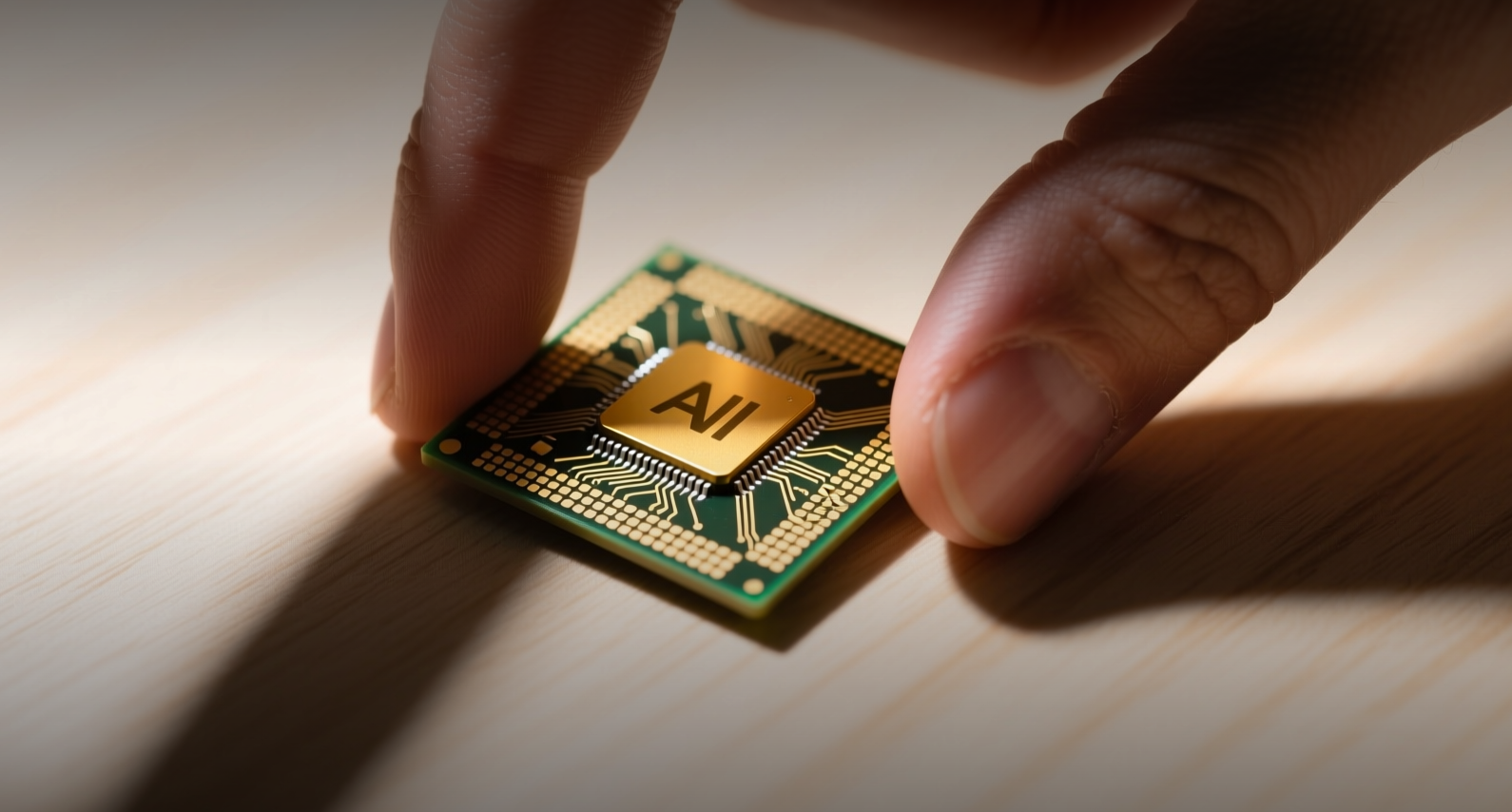
The Trump administration is weighing restrictions on Chinese AI models after Moonshot AI's Kimi K3 surpassed leading US systems on key benchmarks at roughly 40 percent lower cost, reigniting a debate over open-source competition and national security.
"The danger is in abandoning a pro-innovation approach in favor of bureaucratic controls fueled by hysteria and companies seeking regulatory capture," David Sacks, co-chair of the President's Council of Advisors on Science and Technology, said in a statement.
Kimi K3, released July 16 by Beijing-based Moonshot AI, beat Anthropic's Fable 5 and OpenAI's GPT-5.6 Sol in blind front-end coding tests on the Arena evaluation platform and outranked Opus 4.8 in broader text rankings. Moonshot plans to release the model's weights July 27, letting companies and governments customize and run the system on their own infrastructure.
The policy stakes are high. A ban or de facto restrictions on Chinese open-weight models would entrench the market position of US labs such as OpenAI and Anthropic, but could also trigger retaliatory measures from Beijing and raise costs for US companies that rely on cheaper Chinese alternatives. The Commerce Department last year considered adding multiple Chinese AI labs to its Entity List, effectively cutting off US access without a license, according to a source close to the administration. The White House also weighed an executive order requiring US companies to guarantee security and accept liability for hosting Chinese models — efforts that stalled amid internal divisions.
Internal divisions resurface
Pro-competition voices within the administration, including former White House AI adviser Sriram Krishnan, previously blocked those initiatives. But Krishnan has since left, and national security hawks have grown louder, giving ban momentum a second wind, sources told Axios.
The administration may not need an outright ban to achieve its goal. Procurement rules, Entity List threats, and public pressure campaigns aimed at US companies using Chinese models could achieve a similar chilling effect, one source familiar with government discussions said. Another described a push to highlight potential backdoors and security risks in Chinese models as a governance issue.
The current average US tariff on Chinese goods stands at roughly 19 percent after the 2025 escalation rounds, and the previous tariff increases reduced bilateral trade by more than $100 billion over 12 months, according to Census Bureau data. Any new AI-specific restrictions would add a layer of tech-cold-war friction to an already strained trade relationship.
Regulatory whiplash
The White House's approach to AI regulation has been uneven. Trump signed an executive order in early June creating a voluntary testing framework in which AI companies could share models with the government up to 30 days before public release — a scaled-back version of an order Sacks reportedly opposed. Weeks later, the administration hit Anthropic with an export control order after the release of its Fable and Mythos models, forcing the company to pull both before lifting the restrictions in late June. OpenAI similarly staggered the rollout of GPT-5.6 at the government's request before releasing it fully in July.
Sacks framed the regulatory drift as an existential threat to US leadership. "Permissionless innovation is how America won the internet and became the technological envy of the world," he wrote on X. "We can do it again with AI — while addressing risks in a targeted way — or we'll watch our lead evaporate."
Chinese leader Xi Jinping has grown emboldened in the AI race, calling this week for more global cooperation on AI governance while criticizing US curbs on technology sharing. The juxtaposition — Beijing pushing openness while Washington debates restrictions — underscores the strategic dilemma facing US policymakers.
The bottom line: Every three to five months, leading US AI labs or their allies approach the administration with a proposal to restrict open-source competition, according to a source close to the administration. With Kimi K3 now matching frontier US performance at a 40 percent cost discount, those proposals are finding a more receptive audience.
This article is for informational purposes only and does not constitute investment advice.
