

XPeng is betting its EV manufacturing muscle can make it a global robotics player, targeting 1,000 IRON humanoid units by year-end.
XPeng is betting its EV manufacturing muscle can make it a global robotics player, targeting 1,000 IRON humanoid units by year-end.
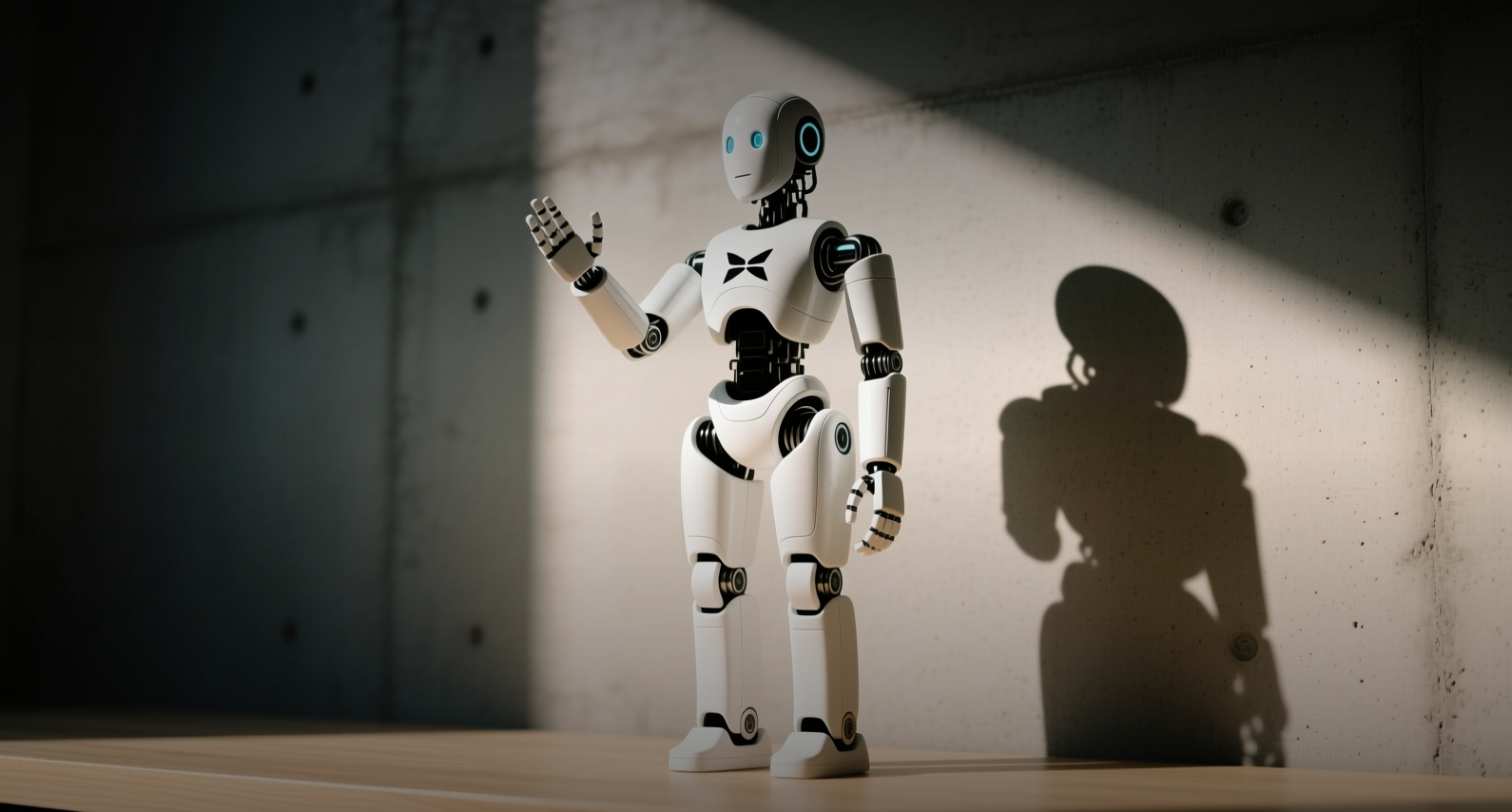
XPeng plans to bring its IRON humanoid robot to global markets by 2027, putting the Chinese EV maker in direct competition with Tesla and other AI hardware companies. The company aims to boost monthly production capacity to more than 1,000 units by the end of this year, according to a Wall Street Journal report.
"XPeng is the only fully self-developed, cross-disciplinary robotics platform coming out of China, with control from silicon to software to the physical hardware," the company said. The approach mirrors Apple's vertical integration strategy, with XPeng developing its own chips, joints, hands and operating system rather than licensing components from third-party suppliers.
The commercialization plan follows a phased approach. IRON units will first serve as in-store sales guides at XPeng's retail locations across China starting in the first quarter of 2027, with overseas retail deployment expected by the second quarter of 2028. The company began construction on a humanoid mass-production facility in Guangzhou in the first quarter of 2026, with a target of producing over 1,000 units by year-end.
The robotics push reflects XPeng's ambition to evolve beyond its core EV business into a broader physical AI company, a strategy similar to Tesla's Optimus project. XPeng shares rose 4% on the news. Goldman Sachs has projected the humanoid robotics market could be worth $6 billion by 2030, while Tesla has said it sees a potential long-term market of 10 billion to 20 billion humanoid units.
IRON's Retail-First Strategy
XPeng is starting with commercial deployment in its own stores before targeting industrial or home use — a more measured rollout than many competitors have outlined. The company has identified hardware reliability, durability and safety as unresolved challenges in humanoid robotics, alongside the commercial questions of cost and scalability. By using its own retail network as a proving ground, XPeng can gather real-world data before asking external customers to trust IRON with actual work.
The retail-first approach also gives XPeng a controlled environment to refine the robot's AI capabilities. IRON is designed to interact with customers, answer product questions and guide shoppers through XPeng's vehicle lineup — tasks that require natural language processing, object recognition and autonomous navigation in dynamic indoor spaces.
The Competitive Field
Tesla remains the most prominent competitor in humanoid robotics with its Optimus project, which CEO Elon Musk has said could eventually become the company's most valuable business. Chinese rivals including Xiaomi, which unveiled its CyberOne humanoid in 2022, and UBTech Robotics, which listed on the Hong Kong exchange in 2023, have also entered the space.
XPeng's edge lies in its claimed full vertical integration — from chip design to final assembly — which the company argues gives it cost and control advantages over competitors that license components. XPeng did not disclose IRON's pricing or detailed technical specifications, saying those would be announced closer to the commercial launch.
For investors, XPeng's robotics bet represents a potential boost to its valuation beyond its core EV business. XPEV shares have gained roughly 4% following the announcement. The company trades at a discount to Tesla on a price-to-sales basis, and a successful robotics business could help narrow that gap if IRON achieves meaningful production scale. However, the humanoid robotics market remains nascent, and XPeng has yet to demonstrate that it can produce IRON at a commercially viable cost.
This article is for informational purposes only and does not constitute investment advice.
