

Key Takeaways: Apple's 200-person cut marks the clearest sign yet that its $3,699 Vision Pro is being shelved in favor of AI glasses.
Key Takeaways: Apple's 200-person cut marks the clearest sign yet that its $3,699 Vision Pro is being shelved in favor of AI glasses.
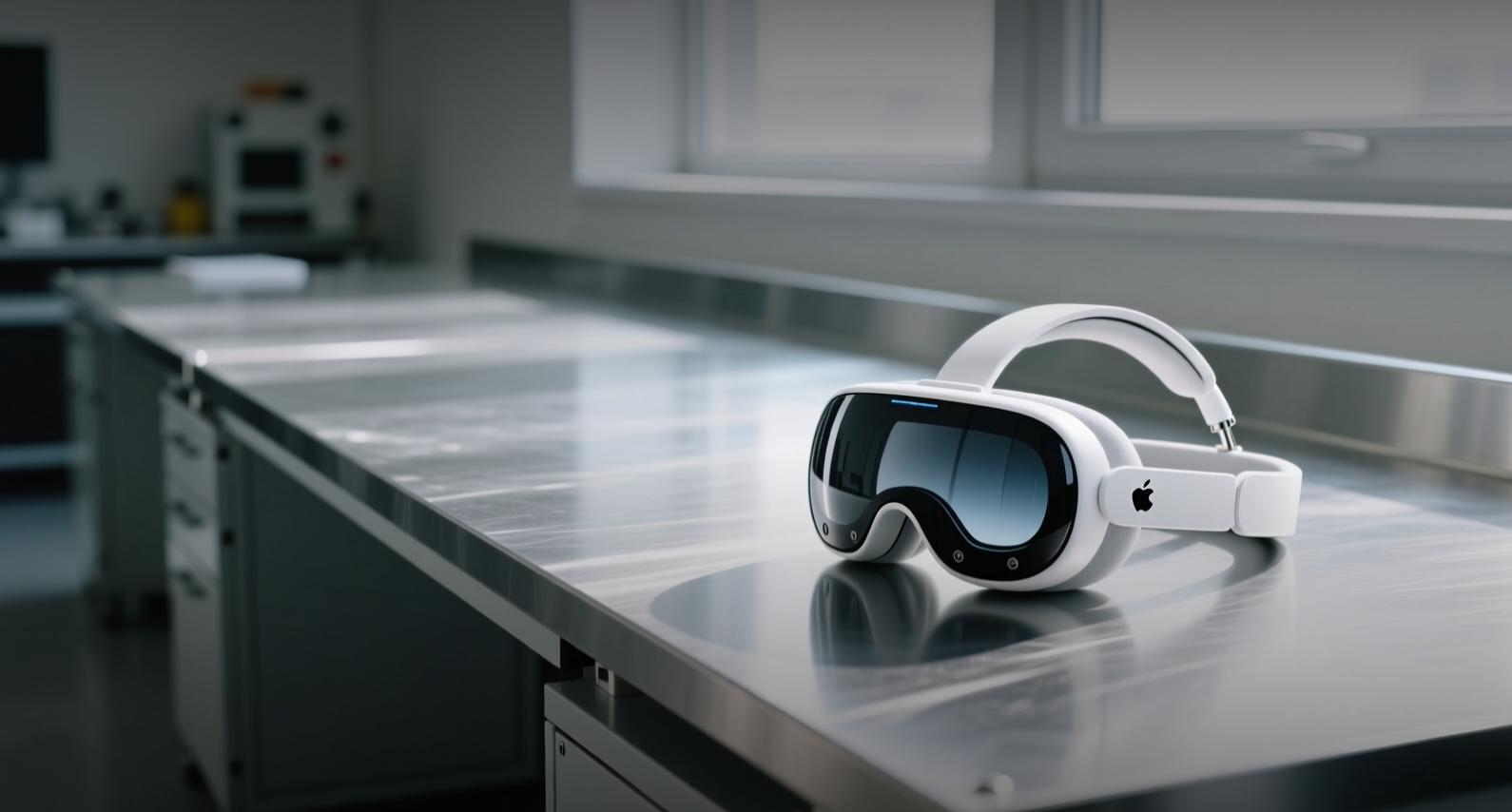
Apple eliminated about 200 roles across its Vision Pro, Siri, and software teams in August, retreating from a headset that never justified its $3,499 price as it redirects resources toward AI smart glasses.
Apple confirmed the cuts in a statement to Bloomberg: "While we will create new roles as part of this change, it will also impact a limited number of existing roles. We are grateful to these team members for their contributions, and we are committed to supporting them throughout their transition, including opportunities to apply for other roles at Apple."
Bloomberg reported the Vision Pro team lost 100 jobs, mostly in gaming and immersive video, with employees told the changes reflect how customers actually use the device. The other 100 cuts hit Siri and software teams as Apple shifts from a voice-activated assistant to its new Siri AI. AppleInsider earlier reported at least 60 employees in the Vision Products Group were let go, including the entire VR development team.
The cuts come as Apple's first-generation AI glasses are expected at WWDC 2027, following the same path as Meta's Ray-Ban smart glasses — lightweight, camera-equipped, and worn daily rather than covering the eyes. Vision Pro, launched in 2025 and updated with the M5 chip in October, still sells for $3,699 after a memory-cost-driven increase from $3,499.
The layoffs cap a year-long unwinding of Apple's spatial computing ambitions. Bloomberg's Mark Gurman reported more than a year ago that Apple had disbanded the Vision Products Group, the unit that combined Vision hardware and software under one organization. Its members were reassigned to Apple's broader hardware and software engineering departments, and former head Mike Rockwell was moved to run the Siri overhaul.
Under new CEO John Ternus, who oversaw the division before rising to the top job, priorities shifted further. Samsung Display stopped developing a display component for a low-cost Vision Pro in July, according to reports, effectively shelving the cheaper headset meant to broaden the product's appeal. The existing Vision Pro received only a modest M5 update in October, boosting rendered pixels about 10 percent and raising the refresh rate to 120Hz, while the price climbed.
Apple has not abandoned spatial computing. Steve Sinclair, senior director of VisionOS product marketing, said two months ago that the platform remains in its early stages and that Apple continues to invest. The visionOS 27 update and deployments in consumer, enterprise, and medical settings show the software lives on — but the hardware carrying it is changing shape. The cameras, spatial perception, computer vision, and interaction tools built for Vision Pro are migrating to smart glasses and camera-equipped AirPods, turning the headset into a technology incubator rather than a mass-market product.
Apple's cuts are part of a broader August contraction across the technology sector. TikTok laid off 75 workers in the Seattle area tied to its e-commerce operation, following an earlier round that eliminated 250 jobs when it closed its Nashville content-moderation office. Netflix is closing two game studios, Night School Studio in Los Angeles and Moonloot in Helsinki, home of the Oxenfree series. LinkedIn is shuttering its Israeli research and development center, affecting about 50 employees.
Layoffs.fyi data shows 127,180 tech workers have lost jobs across 281 companies in 2026, already nearly 5,000 more than all of 2025. The pace remains well below 2023, when 265,660 employees at 1,194 companies were cut, but the direction has reversed after two quieter years.
For investors, the signal is that even Apple, with its cash reserves and long planning horizons, is trimming speculative bets. The shift from a $3,699 headset to a glasses form factor that Meta has already proven with Ray-Ban suggests Apple is conceding the mixed-reality market's near-term ceiling. The question now is whether the smart glasses, expected in late 2027, can reach the volume that Vision Pro never did — and whether the 100 jobs cut from immersive video mark a permanent retreat from the content investments needed to make any headset compelling.
This article is for informational purposes only and does not constitute investment advice.
