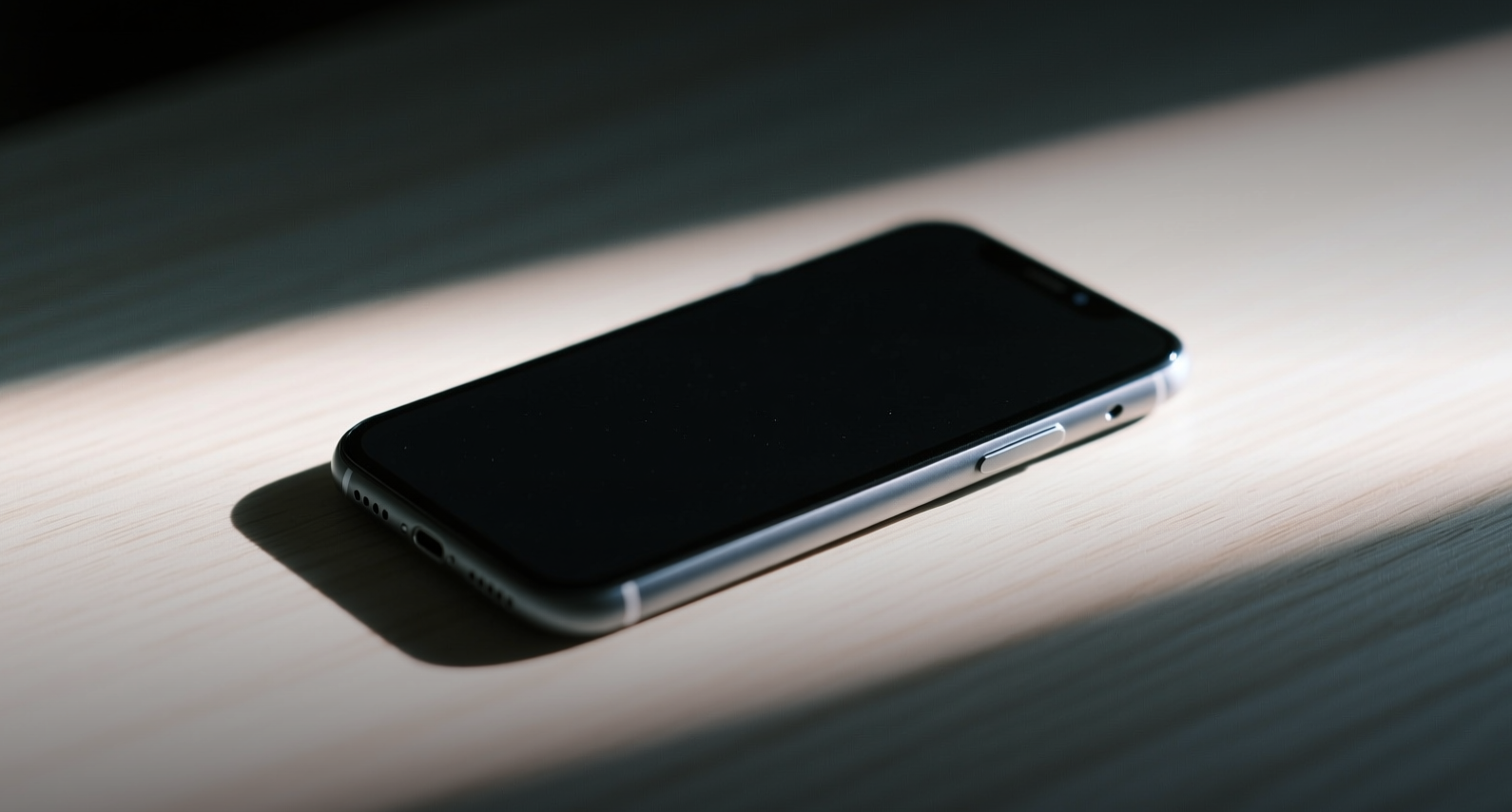
Apple's decision to skip the AI infrastructure arms race may unlock the largest iPhone upgrade cycle in the company's history.
For the past two years, investors have measured the artificial intelligence race by capital spending above all else. Microsoft, Meta Platforms, Alphabet and Amazon are collectively on pace to spend hundreds of billions of dollars on AI infrastructure this year, betting that bigger data centers and more powerful chips will translate into long-term dominance. Apple, by comparison, has avoided the spending frenzy — and the market is beginning to reward that restraint.
"Apple is playing a different game entirely," said Rachel Kim, an analyst covering AI infrastructure at Edgen. "Instead of trying to build the best frontier model, they're positioning themselves as the gateway through which consumers interact with AI every day. That's a much harder moat to replicate than a data center."
Morgan Stanley estimates that roughly 850 million active iPhones cannot run Apple Intelligence, while approximately 1.3 billion of Apple's 1.4 billion active iPhones cannot support the upcoming AI-powered Siri. Those figures dwarf previous upgrade opportunities in the company's history. If agentic AI — where users ask Siri to complete purchases, manage schedules and coordinate digital tasks automatically — becomes the preferred way consumers interact with technology, it creates a compelling reason to upgrade hardware rather than simply download another app.
Apple is the best-performing Magnificent Seven stock year to date, suggesting investors are beginning to recognize that winning in AI may depend less on building the biggest model than on controlling how consumers actually use it. At its Worldwide Developers Conference, the company introduced App Intents, a framework allowing Siri to perform actions inside apps instead of simply answering questions. Booking a reservation, buying products or scheduling appointments could eventually happen through a single voice command.
Siri AI Arrives, But Execution Remains the Risk
The first public beta of iOS 27, released this week, includes the rebuilt Siri powered by Apple's new Foundation models. Early reviews highlight a dramatically improved assistant for routine tasks — setting multiple timers with one command, summarizing notifications, and answering questions with on-screen awareness. The new Siri app behaves like a traditional chatbot, allowing users to revisit threads and invoke search from anywhere on the device by swiping down on the Dynamic Island.
But the product remains unfinished. Beta testers report frequent errors, inconsistent app integration and limited support for third-party applications. Apple's on-device indexing system, which is meant to give Siri access to personal context across apps, has been unreliable in early testing. The company has not disclosed when full third-party app support will arrive.
Apple's strategy carries echoes of its App Store playbook. The company did not invent most mobile apps, but it built the platform that connected developers with consumers. Similarly, Apple could route AI requests across competing models — ChatGPT, Gemini, Claude — while keeping sensitive information processed locally on-device. Rather than competing head-to-head with every AI company, Apple could benefit from all of them, collecting fees on subscriptions and agent-completed transactions.
The Toll Booth Opportunity
The investment case for Apple's AI strategy rests on a simple premise: if intelligent agents become the primary interface between consumers and digital services, Apple already owns the hardware ecosystem where those interactions occur across iPhone, iPad, Mac, Apple Watch and Vision products. That opens the door to new revenue streams through premium AI subscriptions, transaction fees when AI agents complete purchases, or partnerships with multiple AI providers.
The legal landscape adds another layer of complexity. Apple filed a lawsuit against OpenAI on Friday, accusing the ChatGPT maker of systematically stealing trade secrets through its recruitment process. The complaint alleges that OpenAI's Chief Hardware Officer Tang Tan, a former Apple vice president, asked job candidates to bring physical components for "show and tell" sessions during interviews. OpenAI has denied the allegations, saying it has "no interest in other companies' trade secrets."
Apple trades at roughly 30 times forward earnings, a premium to the broader market that reflects investor expectations for the AI-driven upgrade cycle. Morgan Stanley's estimate that 1.3 billion iPhones cannot support the next-generation Siri hints at what could become the largest hardware refresh cycle in the company's history — if Apple can deliver on its AI vision. Until the rebuilt Siri proves itself at scale, the investment case rests on potential rather than proven results.
This article is for informational purposes only and does not constitute investment advice.