
Citadel Securities expects the Federal Reserve to deliver a surprise quarter-point rate hike this week to bolster Chair Kevin Warsh's inflation-fighting credibility.
Citadel Securities expects the Federal Reserve to deliver a surprise quarter-point rate hike this week to bolster Chair Kevin Warsh's inflation-fighting credibility.
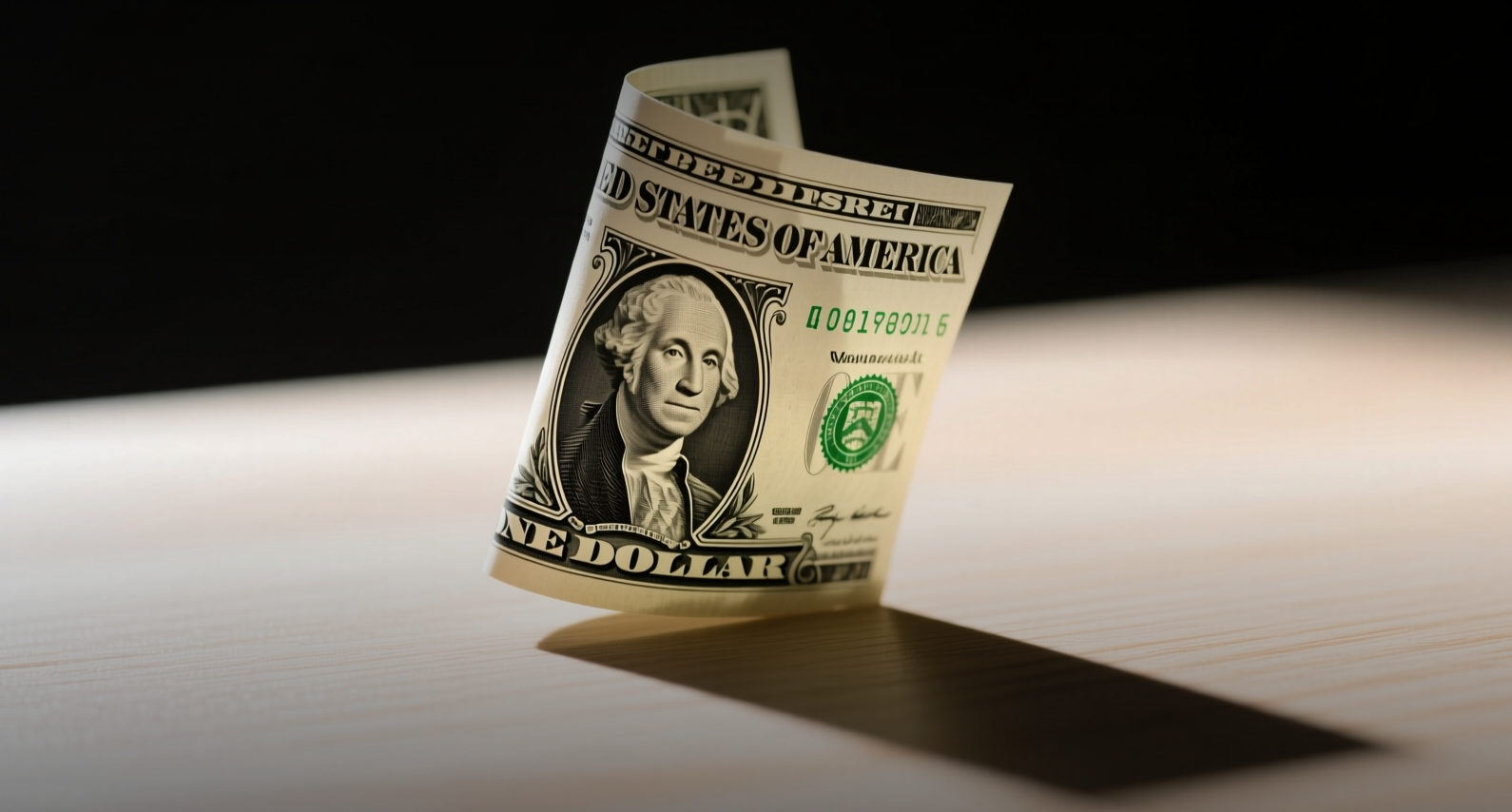
The Federal Reserve faces a credibility-defining moment Wednesday as Citadel Securities predicts a surprise 25-basis-point hike from the current 5.25%-5.50% range — a move that would validate Chair Kevin Warsh's inflation-fighting rhetoric.
"A rate hike this week would decisively end the forward-guidance era and underscore the Fed's independence," Frank Flight, macro strategy head at Citadel Securities, said in a note. "Markets may again be underestimating the degree of the Fed's hawkish shift."
Swap markets price roughly a 40% probability of a move on Wednesday, an unusually high degree of uncertainty this close to a decision. Traders have fully priced in a September increase. The two-year Treasury yield's spread over the fed funds rate has widened to 70 basis points, the most since November 2022, showing the bond market's expectation for tighter policy.
If the Fed stands pat, it risks shredding the credibility Warsh has spent his first two months building — particularly after 63 consecutive months of above-target inflation. If it hikes, it would jolt equity and crypto markets, strengthen the dollar and raise bond yields, potentially derailing the risk-on sentiment that has built on expectations of a prolonged pause.
Warsh's Credibility Test
Warsh, who succeeded Jerome Powell two months ago, has repeatedly stressed his commitment to price stability. "That means we need a regime change in policy, and we need new consideration of practices," he told lawmakers two weeks ago. At his first post-meeting press conference in June, he described the Fed's commitment to its 2% inflation goal as "strong, unanimous, and unambiguous."
Yet the central bank has not raised rates since July 2023 — a three-year pause that has allowed inflation to run above target for more than five years. The Fed's own staff projections show inflation not returning to target until 2028 at the earliest, a timeline that would require tighter policy than officials envisioned three months ago. The 50 basis points of easing embedded in the March summary of economic projections was removed in June, reflecting the initial cooling of energy prices after the US-Iran interim peace deal in April.
"Credibility is more an issue if you don't hike than if you hike. Talk is cheap," said Joe Lavorgna, chief US economist at SMBC Group and a former Trump Treasury official. Bank of America economists argue that a hold on Wednesday that triggers a dovish repricing of the rate path would be equivalent to easing — a dangerous signal for a Fed trying to convince markets it is serious about inflation.
Energy Shock Complicates the Calculus
The inflationary backdrop has been complicated by a resurgence in Middle East tensions. Oil prices surged as much as 40% from a July 2 low after the US-Iran conflict reignited, before pulling back this week as the US paused daily strikes against Iran. Brent crude remains elevated, with Iran-backed Houthi militants threatening Saudi oil shipments through the Red Sea. This week's letdown in tensions appears more like a pause than a genuine sign that a lasting resolution is imminent.
Flight at Citadel Securities said the recent energy price increase may be the key factor pushing the Fed toward a hike. Goldman Sachs has raised the probability of eventual Fed rate increases to 35% from 25%, even while maintaining its base case for no further tightening this year. ING analysts said Warsh's opposition to forward guidance may encourage markets to hold long dollar positions as protection against hawkish surprises.
The last time the Fed faced a comparable energy-driven inflation shock was in 2022, when it delivered 425 basis points of tightening over seven meetings. A July hike would represent a far more modest response — but one that Warsh's critics say is long overdue. Fed Governor Christopher Waller captured the dilemma earlier this month, saying: "Sternly staring at inflation until it melts before our withering gaze is not an option."
If the Fed holds this week, the September meeting becomes the next flashpoint, with markets already fully pricing action. If it surprises with a hike, the focus shifts to whether this is the start of a tightening cycle or a one-off credibility move. Bank of America forecasts three quarter-point increases in September, October and December, while the OIS curve prices roughly 41 basis points of tightening by year-end.
This article is for informational purposes only and does not constitute investment advice.
