
Bond markets head into Thursday's European Central Bank decision split over the terminal rate, with Middle East attacks lifting crude above $100 a barrel and complicating the inflation calculus.
Bond markets head into Thursday's European Central Bank decision split over the terminal rate, with Middle East attacks lifting crude above $100 a barrel and complicating the inflation calculus.
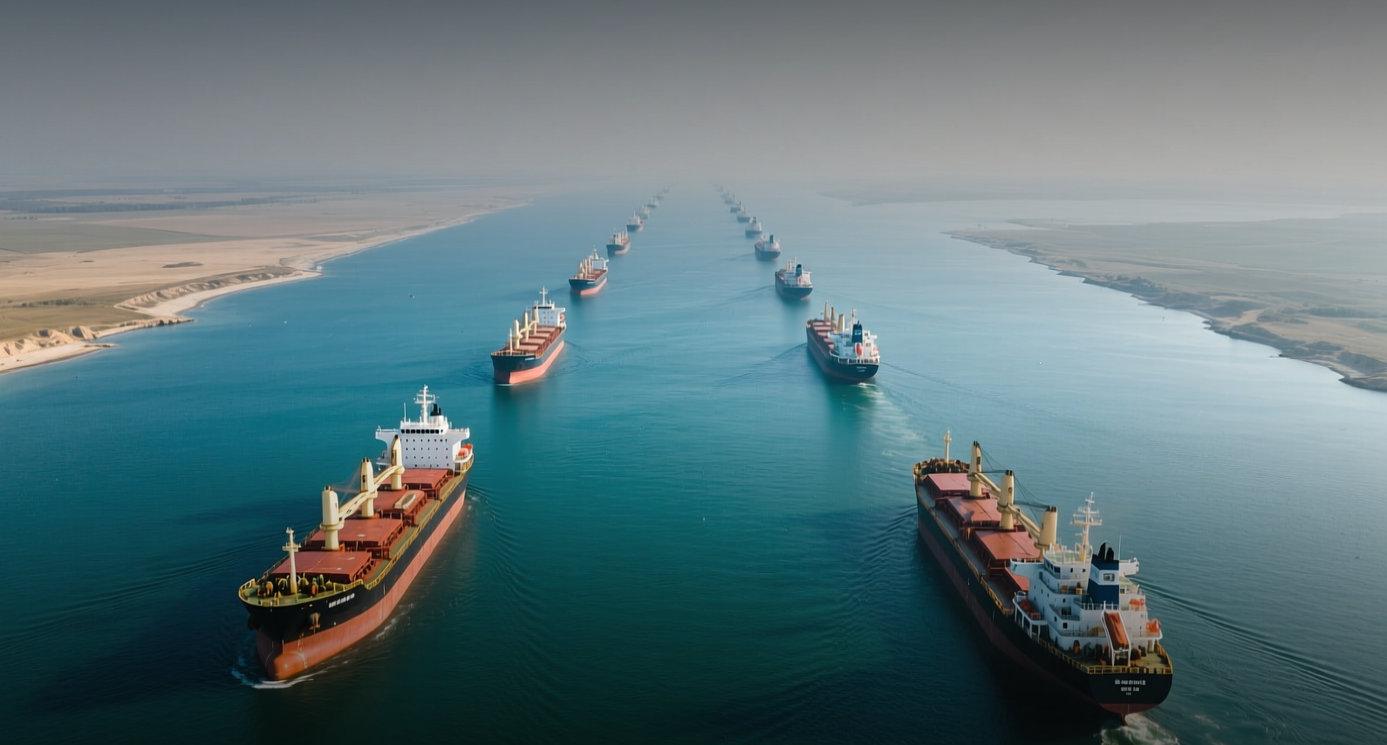
The ECB is set to raise rates Thursday, but the size of the move and guidance on where the tightening cycle ends now hinge on oil's climb past $100 a barrel, a jump bond markets are already repricing for.
"In our view, reaching a durable deal before the U.S. midterm elections is increasingly unlikely, and it could remain elusive even beyond that," Bank of America analysts said in a Tuesday research note, warning that persistent disruption to shipping through the Strait of Hormuz could push crude to $95-$120 a barrel and as high as $150 if major energy infrastructure is damaged.
Brent crude settled at $97.89 a barrel before jumping 2.4 percent to $100.29 early Wednesday, the first time the benchmark has traded above $100 in almost six weeks, while U.S. benchmark crude gained 1.9 percent to $94.77. The moves followed U.S. strikes on five Iranian tankers and Houthi attacks that ignited fires at Saudi oil facilities. Higher energy costs are already feeding through to consumers, with U.S. gasoline averaging $4.15 a gallon, up 26 percent from a year earlier, and diesel at $5.90, 59 percent more expensive.
For the ECB, the stakes are the terminal rate — the level at which the Governing Council stops tightening. Nearly all observers expect a hike on Thursday, but bond markets are split on how much further the cycle runs, and an energy-driven inflation shock would argue for a higher endpoint than the one priced before the latest escalation. The euro area imports most of its crude, leaving it more exposed than the United States to a sustained rise in energy costs.
The last time oil sustained a move above $100 was in the spring, when Brent traded between roughly $70 and $100 for much of March, April and May after the war with Iran began. In July, prices swung between $72 and $102 as hopes rose and fell over a U.S.-Iran deal to let stranded tankers move oil out of the Persian Gulf. That precedent shows how quickly the inflation outlook — and with it the ECB's policy path — can shift with headlines out of the Middle East.
Bank of America raised its oil forecast for the second half of the year to $83 a barrel "in light of more persistent disruptions to Hormuz," but still expects shipping through the strait to gradually pick up. If attacks keep a chokehold on traffic, prices could reach $95-$120 a barrel, while damage to major energy infrastructure could produce spikes of up to $150 a barrel, the analysts wrote.
The Governing Council's decision and press conference Thursday will be parsed for how much weight policymakers assign to the energy shock relative to the weakening growth backdrop. A hawkish signal that the terminal rate sits above current market pricing would push euro-area yields higher and support the euro, while a more cautious tone would leave room for the bond market's dissent to resolve lower. The next policy meeting after Thursday offers the first chance to see whether the oil spike has shifted the committee's projections, and whether the terminal rate debate resolves toward the higher end of the range that energy costs now imply.
This article is for informational purposes only and does not constitute investment advice.
