
Explosions at Bandar Abbas, Qeshm Island, and Lavan Island threaten the Strait of Hormuz chokepoint that carries roughly 20 percent of global crude transit.
Explosions at Bandar Abbas, Qeshm Island, and Lavan Island threaten the Strait of Hormuz chokepoint that carries roughly 20 percent of global crude transit.
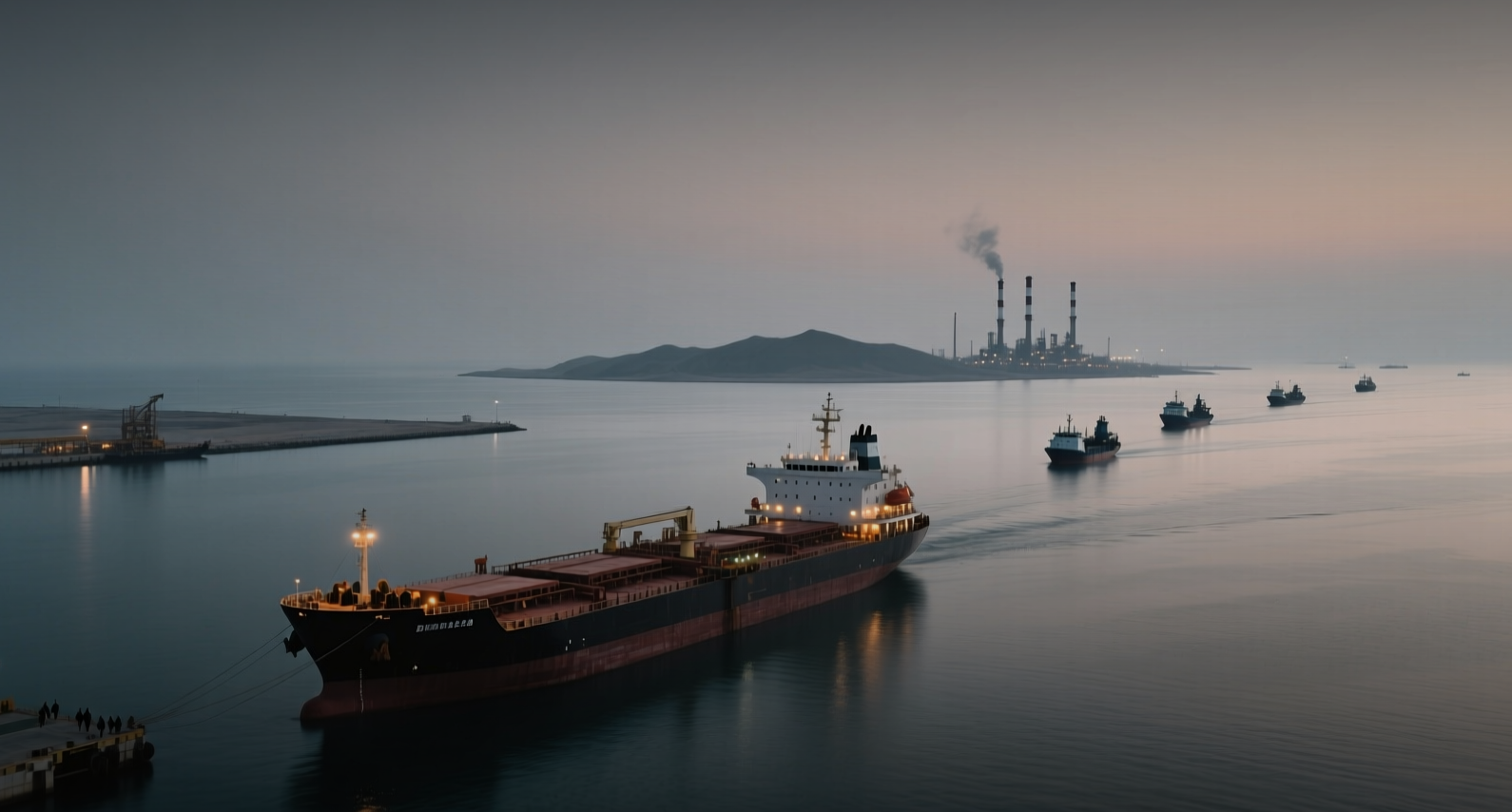
Explosions struck three strategic Iranian locations near the Strait of Hormuz on September 1, hitting oil infrastructure at Bandar Abbas port, Qeshm Island, and Lavan Island around 21:28 local time, according to CCTV.
"Global oil stocks are declining at a record pace in response to the severe loss of supplies through the Strait of Hormuz," the heads of the IMF, World Bank, and International Energy Agency said in a joint note, warning that fuel supply security faces risks during summer peak demand months if the waterway does not reopen.
Brent crude traded at $91.20, down 1.62 percent, while WTI fell 1.9 percent to $87.20, extending the steepest monthly decline since March 2020. The Wall Street Journal reported that the UAE launched dozens of air raids against Iranian targets including Qeshm and Abu Musa islands, Bandar Abbas, the Lavan Island oil refinery, and the Asaluyeh petrochemical complex, coordinated with the US and Israel. Iranian state media reported air defense activity near Qeshm Island in the Strait of Hormuz.
The Strait of Hormuz handles roughly 20 percent of global oil transit. With US-Iran negotiations stalled on frozen Iranian assets and the US naval blockade still in place, the risk of sustained supply disruption through the chokepoint remains elevated, threatening energy price stability across global markets.
The WSJ report revealed a far deeper Emirati involvement in the conflict than previously acknowledged. The UAE coordinated closely with the United States and Israel as part of a broader military campaign against Iran that continued for weeks after the ceasefire announcement in April. The strike on the Asaluyeh energy hub triggered international concern, prompting the US to pressure Israel to halt attacks on Iranian energy infrastructure over fears of wider regional escalation.
Iranian retaliation has been severe. Tehran launched more than 2,800 ballistic missiles, cruise missiles, and drones targeting the UAE, killing at least 13 people and injuring more than 224. Dubai International Airport's Terminal 3 suffered damage, fires broke out at Jebel Ali Port, and two oil storage tanks burned for days at the Fujairah Petroleum Hub. Nearly $120 billion was wiped from Dubai and Abu Dhabi stock exchanges as investors pulled money out, while the UNDP estimated the conflict could reduce the UAE's GDP by nearly 5 percent.
US President Donald Trump has signaled the naval blockade will be lifted, but Tehran remains skeptical. Iranian news agency Tasnim called Trump's statements "a mixture of truth and lies," noting that the most important part of any agreement for Iran is the immediate payment of $12 billion from frozen assets and a complete ceasefire in Lebanon. Iran's Parliament Speaker Mohammad Bagher Ghalibaf said Tehran "does not get concessions through dialogue, but through missiles." The US Treasury announced new sanctions against Iran's oil sales, with Treasury Secretary Scott Bessent saying Washington "will not allow Tehran to increase oil revenues to replenish its armed forces."
The last time the Strait of Hormuz faced sustained disruption was during the 2019 tanker attacks, when Brent spiked above $70 before retreating within weeks. The current situation is more severe — the IMF, World Bank, and IEA jointly warned that global oil stocks are declining at a record pace, and more than 10 Chinese ships were stranded in the strait before beginning to withdraw. Lloyd's List reported that the Hua Lin Wan, an Aframax tanker owned by Cosco, crossed the strait as Chinese operators prioritized crew safety in withdrawing remaining vessels.
If the explosions represent a new round of strikes on Iranian energy infrastructure, the geopolitical risk premium on crude could reassert itself quickly. If negotiations progress and the blockade is lifted, the supply disruption risk would ease, but the damage to Iranian oil infrastructure may take months to repair. The IMF, World Bank, and IEA have already flagged that fuel supply security faces risks during summer peak demand months if the waterway does not return to normal operations.
This article is for informational purposes only and does not constitute investment advice.
