
Key Takeaways:
- Geely Auto H1 net profit slipped slightly as China demand weakened
- Overseas deliveries hit 474,228 units, up 158% year on year
- European expansion accelerated with seven new markets in 45 days
Key Takeaways:
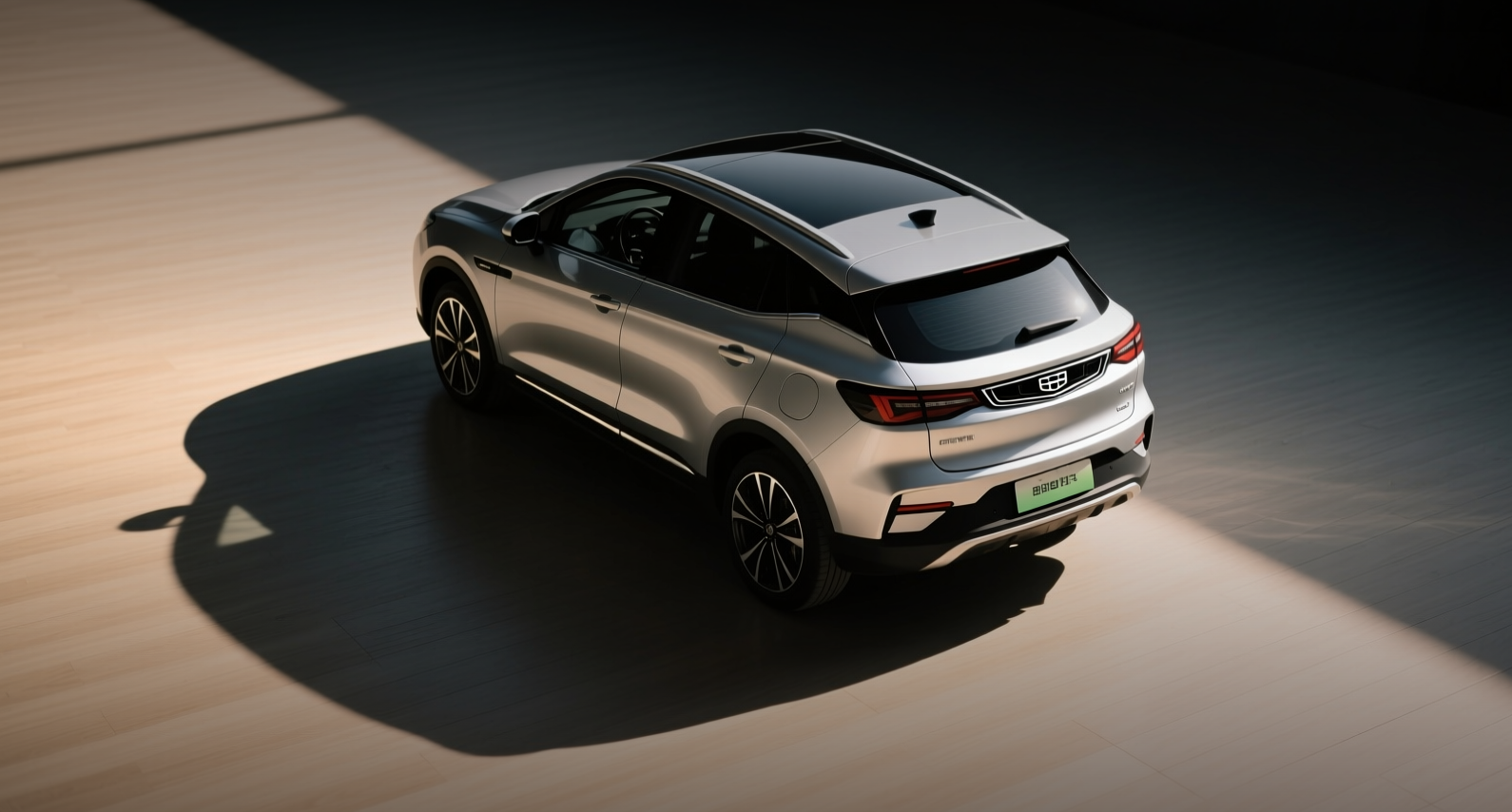
Geely Auto (0175.HK) reported slightly lower first-half net profit as record overseas sales of 474,228 units failed to offset weaker demand in its home market.
The company's European push accelerated during the period, with Geely entering seven markets including Germany, Spain, the Netherlands, and France within 45 days, according to a company statement.
Overseas deliveries of 474,228 units in the first half already exceeded Geely's full-year 2025 overseas total, representing a 158 percent year-on-year increase. The E5 (EX5) and STARRAY EM-i models are now available in more than 20 European nations, supported by a new spare parts distribution center in Amsterdam.
The results highlight the pressure on China's second-largest EV maker as domestic demand weakens. Chinese automakers now account for about 10 percent of the European market, a share AlixPartners expects to reach 16 percent by 2030, making overseas expansion critical to Geely's growth.
Specific revenue and profit figures were not disclosed in the initial report. The company did not provide earnings per share or dividend details.
Geely's domestic challenges reflect broader weakness in China's EV market, where price competition has intensified. The company faces pressure from BYD, its larger domestic rival, as well as from new entrants in the world's largest EV market.
Geely's motorsport program has supported its European brand-building efforts. Geely Cyan Racing secured three podium finishes at the FIA TCR World Tour round at Circuit Paul Ricard in July, with the Geely Preface TCR demonstrating the durability of the company's Compact Modular Architecture platform under extreme heat conditions. The on-track performance data feeds into Geely's mass-production development, creating a technology transfer from motorsport to consumer vehicles.
The company's global expansion extends beyond Europe. Geely's broader portfolio includes Volvo and Polestar, which compete in the premium segment across mature markets. The company has also forged strategic distribution partnerships with leading automotive dealership groups in Portugal, Austria, and Switzerland.
The first-half results come as European automakers face intensifying competition from Chinese brands. German EV manufacturers saw their combined domestic market share fall from 63.5 percent to 54.2 percent in the first half of 2026, according to the Center of Automotive Management. BYD overtook Volvo in new vehicle sales in Germany for the first time during the period.
The EU's Industrial Accelerator Act, currently stalled in the European Parliament, aims to help local automakers compete against Chinese rivals. German automotive industry employment is projected to fall from 841,000 in 2018 to about 500,000 by 2030, according to the Center of Automotive Research.
The overseas sales surge provides a partial cushion for Geely's stock, but the domestic weakness signals continued pressure on China's EV market. Investors will watch for Geely's interim dividend declaration and full-year guidance in the coming months.
This article is for informational purposes only and does not constitute investment advice.
