
Huawei launched its Mate XT2 trifold smartphone on Monday, priced from 19,999 yuan ($2,980), to defend its lead in China's premium handset market as Apple and Xiaomi prepare rival foldable launches this week.
Huawei launched its Mate XT2 trifold smartphone on Monday, priced from 19,999 yuan ($2,980), to defend its lead in China's premium handset market as Apple and Xiaomi prepare rival foldable launches this week.
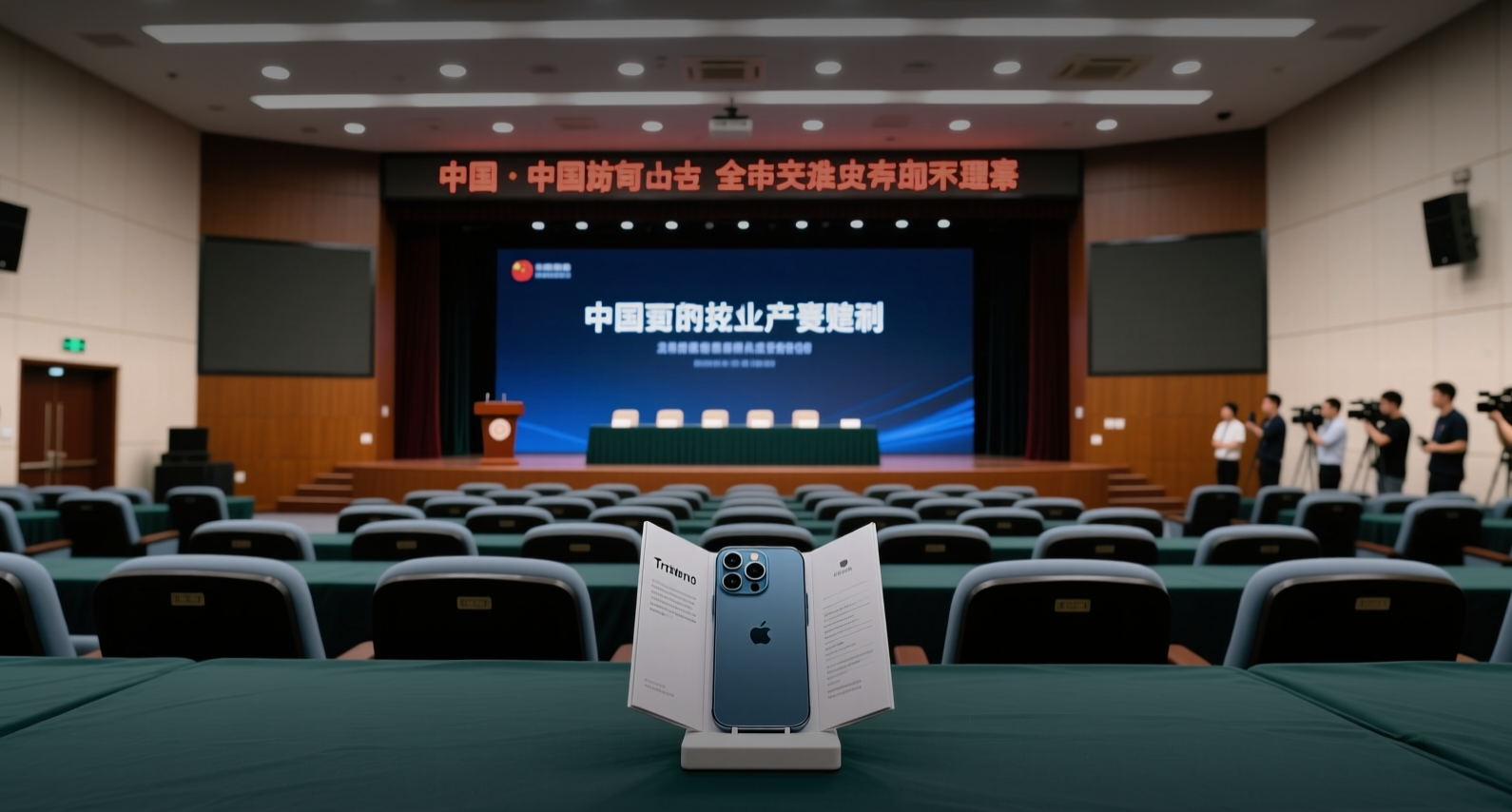
Huawei's Mate XT2 trifold, priced up to 24,999 yuan ($3,725), defends a 22.6 percent China smartphone share as Apple and Xiaomi unveil rival foldables this week.
"Pricing right now is a real challenge, because memory costs have risen sharply. We adopted a lot of new technology, and the cost pressure has been enormous," Huawei Executive Director Richard Yu told a press conference.
The Mate XT2, which folds out twice into a tablet-sized screen, runs on Huawei's in-house Kirin 9050 Pro chip built around the LogicFolding architecture — part of the "Tau Scaling Law" principle the company unveiled in May to work around US export restrictions. Huawei claims the processor delivers 42 percent better overall performance than the prior generation based on company tests, while drawing less power — a critical advantage in foldables where heat dissipation and battery life are harder to manage. The device also brings a redesigned hinge, improved water resistance, upgraded cameras, and a screen feature that blocks side-angle viewing.
The launch opens the most competitive stretch in China's premium handset market in years. Apple is expected to unveil its first foldable iPhone on Wednesday at a price above $2,000, while Xiaomi launched its 18 Fold later Monday with a passport-style design that mirrors Apple's rumored form factor. Huawei currently controls 68 percent of China's folding-phone shipments, according to Smart Analytics Global, and is the only major brand selling a tri-fold device. Samsung Electronics, the global foldable leader, discontinued its own tri-fold after three months but expanded its line-up in July with a passport-sized model.
Chip efficiency is the battleground
The Kirin 9050 Pro's power-per-watt story matters beyond benchmark bragging rights. In foldables, there is less physical room to spread heat, and the larger screens and additional components strain batteries harder. If independent reviews confirm Huawei's 42 percent performance claim, the chip strengthens the company's grip on the foldable niche where it already leads — and supports its broader China share advantage over Apple as new devices hit shelves.
The in-house silicon also reduces Huawei's reliance on restricted foreign inputs, making its high-end supply chain steadier at a moment when component costs are surging. Huawei, Xiaomi, and Honor Device all raised prices in early September, according to local media outlet Jiemian, as memory costs climbed. Smartphone shipments are projected to fall 14 percent in 2026 — the worst contraction on record, per Counterpoint — squeezing Chinese makers whose budget-device exposure leaves them least able to absorb rising component prices.
Apple's entry could reshape the foldable market
Counterpoint analyst Ivan Lam expects Apple's foldable to "sell well and rapidly grab market share" given the company's premium installed base, with spillover effects that lift demand for rivals' devices too. Smart Analytics Global projects Apple could take a quarter of the global foldable market in 2026 and claim the No. 1 spot with 41 percent share in 2027.
Xiaomi shares fell 3 percent in afternoon trade after Huawei unveiled the Mate XT2 series. Xiaomi's profit has declined for three consecutive quarters as it cut shipments of unprofitable low-end devices, while Huawei's first-half profit also slipped as it stockpiled components to hedge against rising memory costs.
For investors, the near-term question is whether Huawei's foldable dominance can withstand Apple's entry into the category. Huawei holds 22.6 percent of China's overall smartphone market versus Apple's 18.1 percent and Xiaomi's 12.4 percent, per IDC. The Mate XT2's sales begin September 12 — three days after Apple's event — making early sell-through data the first real test of whether Huawei's premium defense holds.
This article is for informational purposes only and does not constitute investment advice.
