
Iran's state oil company dismissed Trump's claim that Kharg Island was destroyed, saying the terminal handling 90 percent of crude exports remains operational.
Iran's state oil company dismissed Trump's claim that Kharg Island was destroyed, saying the terminal handling 90 percent of crude exports remains operational.
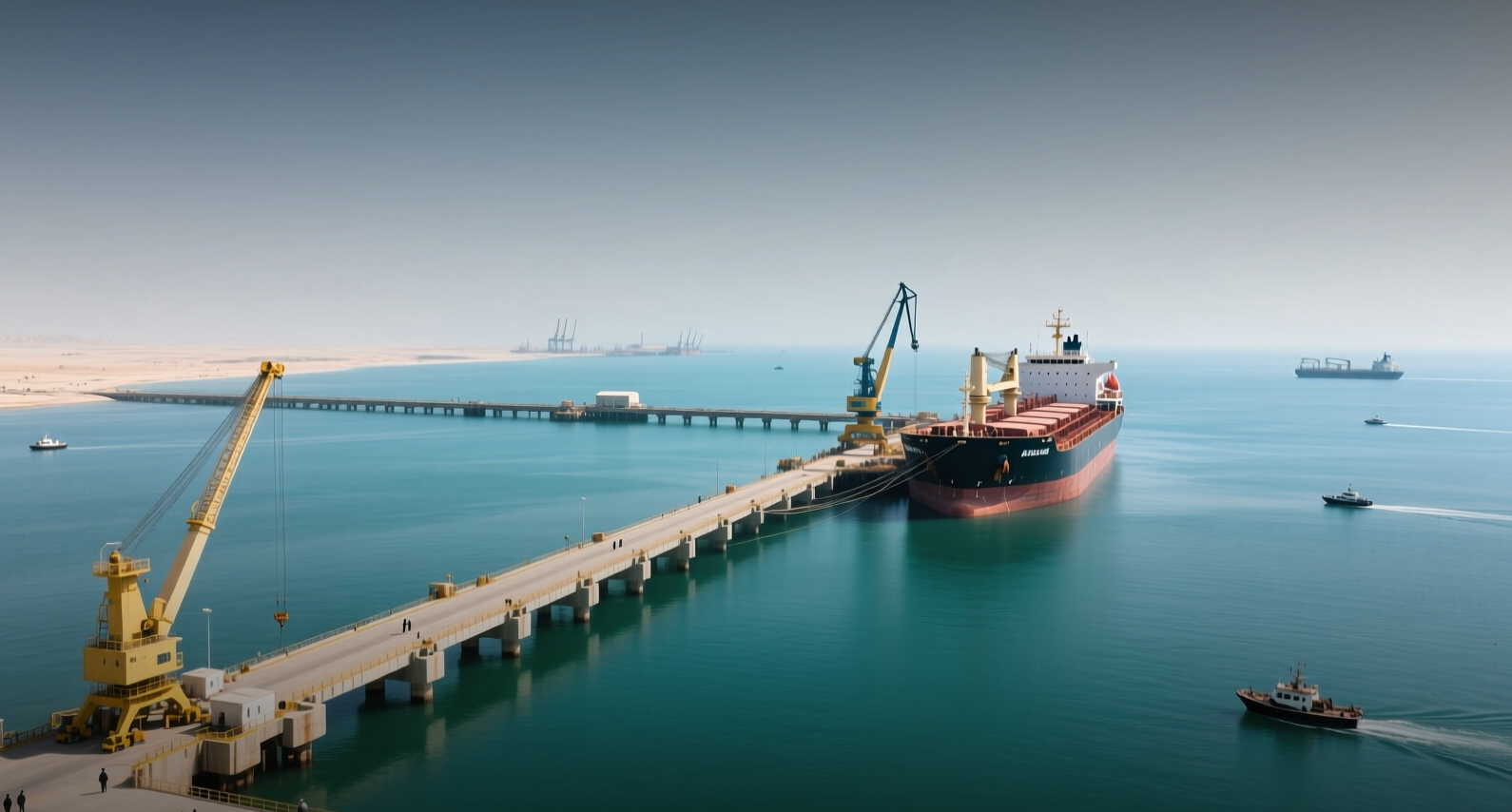
Iran's state oil company dismissed President Donald Trump's claim that Kharg Island was destroyed, saying the terminal handling 90 percent of the country's crude exports remains calm and operational.
"Trump's tweets are laughable and conditions in Kharg are calm and appropriate," Hamid Bovard, CEO of the National Iranian Oil Company, told Nournews, the state-affiliated news agency.
The denial came hours after Trump shared an AI-generated video on Truth Social purporting to show the island "being blown to smithereens." U.S. forces had struck two Iranian launchers on Larak Island earlier Sunday after the Islamic Revolutionary Guard Corps was observed preparing to deploy sea mines in the Strait of Hormuz, a U.S. official said. Iran responded by launching ballistic missiles at two U.S. bases in Jordan and drones at the UAE's Al Minhad Air Base.
Kharg Island is the linchpin of Iran's oil export infrastructure, and any actual disruption would ripple through global crude markets already pricing a war premium. The Strait of Hormuz, through which roughly 20 percent of the world's oil flowed before the conflict began in February, has seen traffic fall to between 5 percent and 15 percent of normal volumes, according to ship tracking services.
Bovard said contractors were currently rebuilding and modernizing storage tanks and jetties on the island, which has been bombed repeatedly by U.S. and Israeli forces in past conflicts without halting operations. "Oil workers have not allowed operations to stop even for a moment," he said.
The exchange marks the latest escalation in a conflict that began February 28 when the U.S. and Israel launched strikes on Iran. Tehran has since threatened any vessel transiting the Strait of Hormuz without its authorization, driving down traffic and sending up oil prices. Preliminary shipping data released Friday showed only seven commodity vessels transited the strait Thursday, down from 17 a day earlier and below the 10-day average of 15.
Oil Market Risk Premium Builds
Brent crude has remained elevated as traders weigh the risk of supply disruption against the reality that Iranian exports continue to flow. The last time the region's oil infrastructure came under direct attack was during the 2019 drone strikes on Saudi Aramco's Abqaiq facility, which temporarily knocked out 5.7 million barrels per day of production and sent crude prices up nearly 15 percent in a single session.
Iranian President Masoud Pezeshkian said Monday that Tehran is "not looking for war" but would respond forcefully to any aggression. "Instability and unrest in the region are not in the interest of any country and will challenge everyone," he said, according to Iran's Fars news agency.
Mediators Push for Hormuz Reopening
Qatari Prime Minister Sheikh Mohammed bin Abdulrahman Al Thani met senior Iranian leaders in Tehran on Thursday, stressing the importance of returning to pre-war shipping through the strait. Iranian Foreign Minister Abbas Araqchi described the talks as "creative" and renewed his appeal for the U.S. to resume negotiations. "Putting diplomacy back on track isn't impossible. It hinges on U.S. understanding of one simple fact: pressure doesn't work," Araqchi said on X.
Mohsen Rezaei, secretary of Iran's Supreme National Security Council, said Iran was preparing a list of conditions for reopening the strait, including an end to the U.S. blockade on Iranian ports, compensation, and removal of sanctions. The U.S. has instead focused on an economic pressure campaign, with Treasury Secretary Scott Bessent announcing new sanctions under what the administration called "Operation Economic Outcast."
The conflicting narratives over Kharg Island show the information war accompanying the military conflict. Trump has repeatedly threatened to seize the island but has so far refrained from doing so, focusing instead on economic sanctions. Whether the AI-generated video was a threat or a psychological operation, the market's reaction will depend on verifiable evidence of damage — none of which has emerged.
This article is for informational purposes only and does not constitute investment advice.
